What Is the Best Water System for Home?
Choosing the best water system for home is rarely as simple as buying the most expensive filter. The right option depends on your water source, household size, plumbing condition, and specific contaminants. A rural property may need sediment filtration and ultraviolet treatment. A city home might benefit from activated carbon or a reverse osmosis unit. Sometimes, a basic filter is enough.
Water testing should guide the decision. A laboratory report can reveal lead, nitrates, bacteria, hardness, or unpleasant odors that taste alone cannot identify. Look for products tested against recognized NSF/ANSI standards, and ask a qualified plumber to assess installation requirements. I have found that small details matter, such as available cabinet space, drain access, replacement-filter costs, and water pressure. A system that performs well on paper may become inconvenient under a busy kitchen sink.
There is no perfect choice. A whole-house system offers broader protection, while an under-sink unit can target drinking water more efficiently. Softening may protect appliances, but it does not remove every contaminant. Reverse osmosis can produce very clean water, yet it may waste water and require regular maintenance. This guide compares practical systems, explains their strengths, and considers where they may disappoint. The goal is not to promise flawless water, but to help homeowners choose a reliable solution based on evidence, professional guidance, and everyday experience.
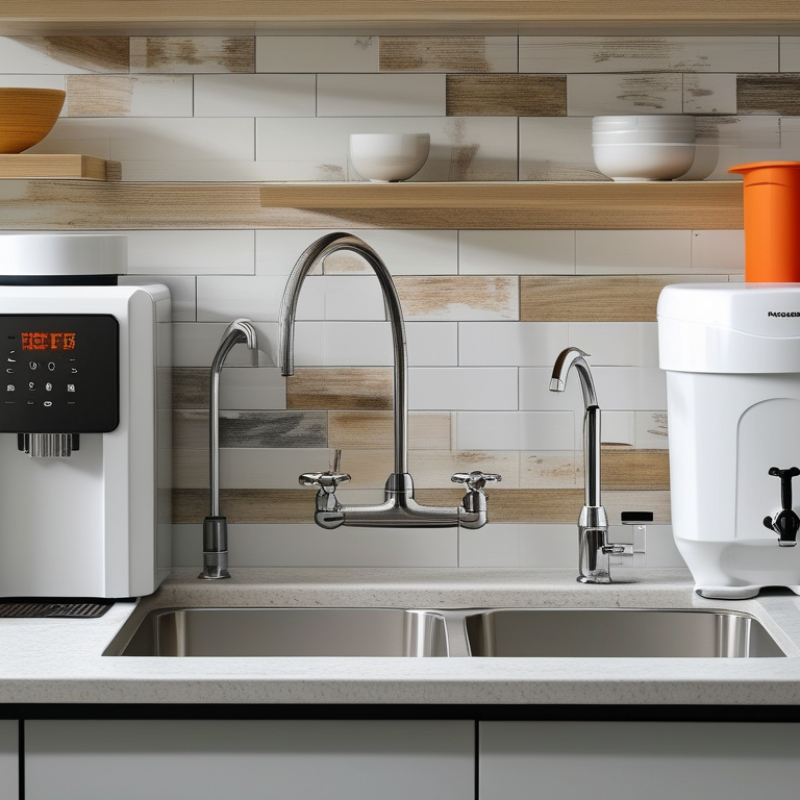
Defining the Best Home Water System by Quality, Cost, and Flow
What Is the Best Water System for Home?
The best home water system balances quality, cost, and flow rather than chasing one perfect feature. Begin with a certified laboratory water test. It can reveal sediment, hardness, chlorine, metals, or microbial concerns that taste alone cannot identify. A system should match those results. It should not treat problems that are not present.
Flow matters during real household use. A weak system may fill one glass slowly, then struggle when someone showers. Check the rated flow at your expected pressure, not only the advertised maximum. Storage tanks can support busy mornings, but they need space and regular maintenance. I once focused too heavily on filtration quality and underestimated replacement costs. That was a useful mistake.
Tips: Compare the purchase price with filters, electricity, servicing, and water waste over three years. Ask for test data from independent sources. Confirm that treated water still tastes natural. If the system requires complicated upkeep, it may be ignored later. That risk is easy to overlook. A practical choice should provide cleaner water, steady flow, and predictable ownership costs without adding daily frustration.
What Is the Best Water System for Home? — Defining the Best Home Water System by Quality, Cost, and Flow
| Home Water System | Primary Water-Quality Function | Typical Contaminants or Issues Addressed | Water Quality Potential | Typical Installed Cost (USD) | Approximate Peak Flow | Ongoing Maintenance | Best Fit for | Main Limitations |
|---|---|---|---|---|---|---|---|---|
| Municipal Water Supply Only | Provides treated water through a public distribution network. | Usually regulated for many common contaminants; may still have chlorine taste, aging-pipe sediment, hardness, or local water-quality concerns. | Quality depends on the utility and the condition of household plumbing. |
$0 for added equipment Excludes regular water bills and plumbing repairs. |
Usually 5–15 gallons per minute (GPM), depending on the service line and household pressure. | Review the annual water-quality report; inspect plumbing; clean faucet aerators and replace point-of-use filters if added. | Homes with acceptable utility water and no specific taste or contaminant concern. | Does not provide customized treatment for hardness, taste, or contaminants entering through private plumbing. |
| Whole-House Sediment Filter | Captures suspended particles before water enters the home. | Sand, silt, rust particles, and visible sediment. | Improves clarity but does not disinfect or remove most dissolved contaminants. |
$300–$1,200 | 8–25 GPM, depending on filter size and pressure loss. | Flush or replace the filter element according to sediment loading; inspect pressure drop. | Homes with cloudy water, well-water sediment, or recurring particles in fixtures. | Limited effect on dissolved chemicals, hardness, microorganisms, and unpleasant tastes. |
| Whole-House Activated Carbon Filter | Adsorbs selected chemicals and improves taste and odor. | Chlorine, some taste- and odor-producing compounds, and certain organic chemicals. | Performance depends strongly on carbon type, contact time, and water chemistry. |
$800–$2,500 | 5–15 GPM; higher flow can reduce contact time and treatment effectiveness. | Replace or re-bed carbon periodically; backwash systems may require drainage and control-valve checks. | Homes seeking better taste and odor throughout the house. | Does not reliably remove hardness, salts, nitrate, or all microorganisms; exhausted carbon can lose effectiveness. |
| Water Softener | Uses ion exchange to reduce water hardness. | Calcium and magnesium hardness that causes scale, soap inefficiency, and mineral spots. | Highly effective for hardness when correctly sized and regenerated. |
$800–$2,500 | 7–15 GPM for many residential units. | Add salt or regenerant; clean the brine tank; check settings and resin performance. | Hard-water homes with scale on fixtures, dry-feeling laundry, or reduced appliance efficiency. | Does not generally remove pathogens or most organic chemicals; adds sodium or potassium to treated water. |
| Ultraviolet Disinfection System | Uses ultraviolet light to inactivate many bacteria, viruses, and other microorganisms. | Microbiological contamination in private wells or other untreated water sources. | Effective when water is clear enough and the system receives the required UV dose. |
$900–$2,500 | 5–20 GPM, depending on the rated UV dose and system capacity. | Replace the UV lamp about annually; clean the quartz sleeve and maintain prefiltration. | Private wells requiring microbial protection after testing identifies a biological risk. | Does not remove chemicals, hardness, sediment, or taste; electricity is required and pretreatment may be necessary. |
| Under-Sink Reverse Osmosis (RO) | Uses a semipermeable membrane to reduce many dissolved substances at one drinking-water tap. | Many dissolved salts, arsenic, fluoride, nitrate, lead, and other contaminants, depending on membrane performance and certification. | Can produce very low-total-dissolved-solids drinking water when properly maintained. |
$300–$1,200 | Product water is commonly about 0.03–0.50 GPM; storage tanks support higher short-term demand. | Replace prefilters and postfilters regularly; replace the membrane as needed; sanitize and check for leaks. | Homes wanting high-quality drinking and cooking water at a selected faucet. | Produces wastewater, operates slowly, needs filter changes, and is not normally a whole-house solution. |
| Whole-House RO System | Provides membrane-based reduction of dissolved contaminants throughout the home. | High dissolved-solids levels and selected contaminants identified through water testing. | Very high treatment potential when correctly designed and remineralization or conditioning is included where appropriate. |
$4,000–$15,000+ | 1–10 GPM of treated water, depending on system size and storage capacity. | Replace pretreatment filters, service membranes, sanitize tanks, and maintain pumps, controls, and storage equipment. | Homes with significant dissolved-contaminant problems that need treated water at multiple fixtures. | High purchase and maintenance cost, wastewater production, storage requirements, and potentially complex installation. |
| Point-of-Use Carbon Filter | Improves drinking-water taste and odor at one faucet or appliance. | Chlorine, sediment, and selected taste- and odor-producing compounds, depending on the certified filter. | Good for targeted improvement when the source water is already generally safe. |
$30–$300 | Approximately 0.5–2.5 GPM. | Replace cartridges on schedule or when the rated capacity is reached. | Renters or households seeking an affordable drinking-water improvement. | Protects only the connected tap and may not address contaminants outside the filter’s certification. |
| Whole-House Combination System | Combines two or more treatment stages, such as sediment filtration, carbon filtration, softening, or UV. | Multiple issues identified by a water test, such as sediment plus chlorine, hardness, or microbial risk. | Can offer broad protection when each stage is correctly selected and maintained. |
$2,000–$8,000+ | 8–20 GPM, depending on the narrowest or most restrictive treatment stage. | Several components require service, including cartridges, salt, UV lamps, carbon media, or control valves. | Homes with more than one confirmed water-quality problem and sufficient installation space. | Higher cost and maintenance burden; unnecessary stages can reduce flow and increase operating expenses. |
Related Posts
-
2026 Best Water Filtration System for Home Buyers Guide?
-
Best Water Filter for House Choosing the Right One for Clean Safe Drinking Water
-
Why You Need a Water Filter for Your House Today?
-
How to Choose the Best Water Filter for Your House?
-
Best Water Filter for House Affordable Solutions for Clean Water?
-
2026 Best Water Filter for House Buying Guide and Tips?