2026 Best Water Filter for House Buying Guide and Tips?
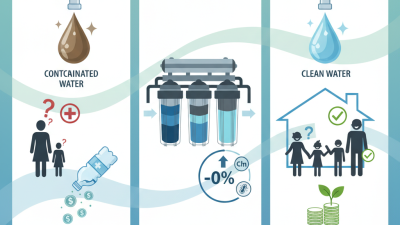
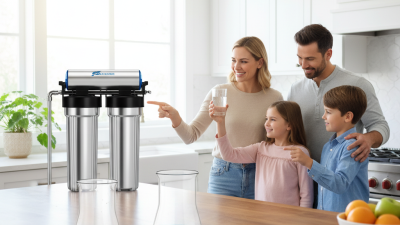
When considering a water filter for house installation, it's essential to understand your needs. The market offers various options, each with unique features. A good water filter improves the taste and quality of your water. It can reduce harmful contaminants, offering peace of mind for your family’s health.
Choosing the right water filter for house use can be overwhelming. Many products claim to provide the best filtration. However, not all filters are created equal. Research and experience are vital in selecting the right system for your home. Look for expert reviews and recommendations, as they often highlight key performance aspects.
It's important to reflect on your specific water quality issues. Taste, odor, and chemical levels vary by location. Consider having your water tested for contaminants. This step ensures you choose a water filter for house that genuinely meets your requirements. Decisions made without adequate knowledge may lead to disappointment in performance. So, invest the time to learn before you buy.
Understanding Water Filter Types: Overview of Common Systems and Technologies
When considering home water filtration, understanding various systems and technologies is crucial. There are several common types, each with its advantages and limitations. Activated carbon filters are popular for their efficiency in removing chlorine and sediment. Studies show these can reduce contaminants by up to 99%. However, they may not effectively eliminate all heavy metals or microorganisms, raising concerns for some homeowners.
Reverse osmosis (RO) systems are another popular choice. They are known for their ability to remove a wide array of contaminants, including lead and fluoride. An EPA report indicates that RO systems can reduce water pollutants by as much as 95%. Yet, they require regular maintenance and can waste a significant amount of water in the filtration process. For families concerned about water waste, this can be a drawback worth considering.
Ultraviolet (UV) filtration represents a different approach. UV lights kill bacteria and viruses effectively, making water safe for consumption. But, this method doesn't remove sediments or chemical impurities. There may also be ongoing costs associated with bulb replacements. Evaluating the limitations of each system can help homeowners make informed decisions that best suit their needs and water quality concerns.
Water Filter Types Comparison
This chart illustrates the effectiveness of various types of water filters commonly used in households. The effectiveness percentages indicate how well each type removes contaminants from water. Activated carbon filters are widely used for general purification, while reverse osmosis offers the highest level of purity.
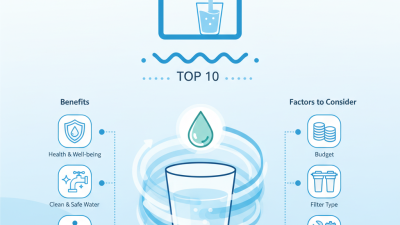
Key Factors to Consider When Choosing a Water Filter for Home Use
Choosing the right water filter for your home involves several key factors. First, consider the water quality in your area. Testing your water reveals contaminants that might be present. You might find chlorine, lead, or sediment. Understanding this can guide your choice effectively. A detailed report can help you know exactly what you're dealing with.
The type of filter is equally important. Options include activated carbon filters, reverse osmosis systems, and UV purifiers. Each has its strengths and limitations. For example, activated carbon removes odors and improves taste, while reverse osmosis provides thorough purification. Still, it wastes water in the process. Think about your daily water usage and how much waste is acceptable for you.
Installation and maintenance are often overlooked. Some filters require professional installation while others are DIY friendly. Maintenance can be frequent, depending on the filter type. You may need to replace cartridges often. Reflecting on your lifestyle and willingness to maintain the system can help narrow your choices. It's wise to weigh all these considerations carefully before making a decision.
Evaluating Water Quality: Understanding Contaminants and Testing Methods
Evaluating water quality involves understanding various contaminants and testing methods. Contaminants can originate from different sources, such as industrial discharge, agricultural runoff, or naturally occurring minerals. According to the EPA, more than 6 million Americans may be drinking water that does not meet safety standards. Testing is crucial for homeowners who want to ensure their water is safe.
There are several methods to test water quality. Home testing kits offer convenience. They can detect common contaminants like lead, chlorine, and bacteria. However, the accuracy may vary. More comprehensive tests should be conducted by certified laboratories, especially if you suspect specific pollutants. The CDC recommends testing a home’s well water annually.
Understanding the specific contaminants present in your water can guide you in choosing the best filtration system. Chemical compounds like pesticides and heavy metals may require specialized filters. Regularly testing your water and staying informed can help maintain a safe drinking environment. This proactive approach fosters better health for you and your family.
The Importance of Certification: NSF/ANSI Standards for Water Filters
When selecting a water filter for your home, certification plays a crucial role. Understanding NSF/ANSI standards is essential. These certifications provide assurance that the filter meets specific safety and performance criteria. Not all products carry this certification, which can lead to confusion for consumers. This lack of clarity can result in purchasing ineffective filters that do not adequately purify water.
NSF/ANSI standards evaluate filters based on their ability to remove contaminants. For instance, a filter certified for lead removal must successfully reduce lead levels to a safe standard. Homeowners should pay attention to these details. Filters that do not have certification may not perform as claimed, leading to potential health risks. Researching these standards enhances consumer confidence.
Many assume all filters are created equal, but that’s far from the truth. Regularly checking for updated certifications is vital. Manufacturers can change materials or processes over time. Without certification, you might unknowingly use a filter that has lost its effectiveness. Engaging in conversations about these standards with peers or professionals can offer deeper insights into the best choices for your home's water quality.
Cost Analysis: Budgeting for Purchase and Maintenance of Water Filters
When considering a water filter for your home, budgeting is crucial. The initial cost of a good water filter can vary widely, often ranging from $50 to over $600. This price depends on the type of filter and its features. Understanding your household’s water consumption helps you choose wisely.
Routine maintenance costs also add up. Some filters need replacements every three to six months, while others last for years. This can lead to unexpected expenses. Consider setting aside a small monthly budget to cover these costs. Doing so prevents financial strain later.
Evaluate the long-term savings. Investing in a quality filter can reduce reliance on bottled water. This choice is not only cost-effective but also environmentally friendly. Regular maintenance can enhance the filter's lifespan, providing better value over time.
Think about the installation process too. Some filters are easy to install; others may require professional help. Researching installation costs will help you prepare better. A reliable water filter can improve your home’s water quality significantly.
2026 Best Water Filter for House Buying Guide and Tips
| Filter Type |
Purchase Cost ($) |
Annual Maintenance Cost ($) |
Lifespan (Years) |
Filter Capacity (Gallons) |
| Activated Carbon Filter |
50 |
20 |
3 |
1,000 |
| Reverse Osmosis System |
300 |
50 |
5 |
5,000 |
| Ultraviolet Water Purifier |
250 |
30 |
7 |
3,000 |
| Whole House Filter |
600 |
100 |
10 |
15,000 |
| Pitcher Filter |
25 |
10 |
1 |
40 |