2026 Best Water Filtration System for Home Buyers Guide?
Choosing the best water filtration system for home use can feel overwhelming. With so many options available, how do you find the right one? Water quality varies from place to place, affecting your health and taste. A suitable filtration system can significantly enhance your drinking water, providing peace of mind.
Your needs depend on several factors, including contaminants and household size. Many systems focus on removing chlorine, lead, or bacteria. However, not every system addresses all these issues effectively. Some filter systems may not be efficient for larger families, while others lack essential certifications. When it comes to your health, compromising on quality is not an option.
It's crucial to consider the specific needs of your household. Understanding these requirements can help guide your decision. Moreover, many homeowners find themselves confused by the marketing jargon. This guide aims to simplify your search for the best water filtration system for home. Together, we can explore the most reliable and efficient solutions tailored for diverse needs.
Overview of Water Filtration Systems: Types and Technologies
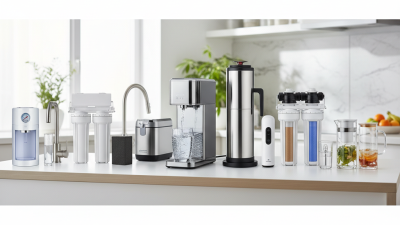
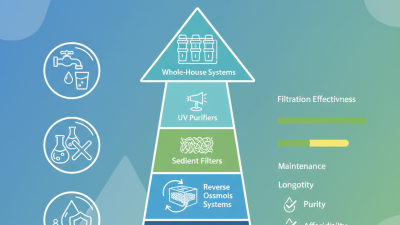
Water filtration systems vary widely, offering diverse technologies that cater to different needs. The most common types include activated carbon filters, reverse osmosis systems, and ultraviolet (UV) purifiers. According to a 2022 report from the Environmental Protection Agency, about 60% of households rely on some form of water filtration. Each method has strengths, but they also have limitations that homeowners must consider.
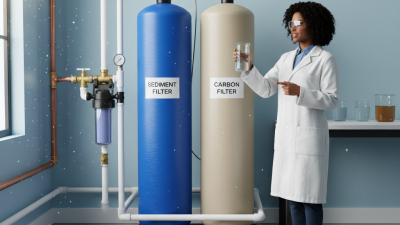
Activated carbon filters excel at removing chlorine and improving taste, yet they cannot eliminate heavy metals. Reverse osmosis systems are effective at filtering out a range of contaminants but waste a significant amount of water in the process. UV purifiers kill bacteria and viruses but don’t remove chemical pollutants. Each option requires a careful assessment of a home’s specific water quality issues. The CDC suggests testing water first, as not all filtration systems suit every individual circumstance.
When selecting a system, consider your household’s water usage and the local water supply quality. Reports indicate that improper installation and maintenance can lead to reduced effectiveness. Regular replacement of filters is necessary to ensure optimal performance. Educating oneself about these technologies is essential; understanding the trade-offs will lead to better choices for safe and clean drinking water.
Importance of Water Quality: Health Risks and Contaminants
Water quality plays a crucial role in maintaining good health. Contaminants in tap water can lead to serious health risks. Common contaminants include lead, chlorine, bacteria, and pesticides. Regularly consuming contaminated water may lead to gastrointestinal issues, developmental problems in children, and even long-term illnesses. Understanding these risks is essential for home buyers.
Many homeowners might overlook their water quality. This can be a mistake. Testing your water regularly is a vital step. Many local health departments offer free or low-cost testing. If your water has high contaminant levels, considering a reliable water filtration system is wise. It can improve your health and safety over time.
Here are a few tips to keep in mind:
- Always pay attention to your water's taste and smell. If you notice something unusual, don't ignore it.
- Research filtration systems that suit your specific needs.
- And remember to change filters regularly for maximum effectiveness.
- Trust your instincts; your health deserves the best.
Key Features to Consider When Choosing a Home Water Filter
When selecting a home water filtration system, it's vital to consider several key features. Start with the type of contaminants you need to remove. According to the Environmental Protection Agency (EPA), most municipal water contains chlorine, lead, and other harmful substances. A system must effectively target these common contaminants.
Filtration capacity is another important factor. Systems vary widely in their output. Some may only filter a few gallons per hour, while others can handle thousands. The Water Quality Association (WQA) states that a good home filter system should accommodate individual family needs.
Installation and maintenance are essential for usability. Easy installation and low maintenance can save homeowners significant time and costs. The CDC recommends that filters be replaced regularly to ensure their effectiveness. Lastly, look for certifications. They serve as assurance that the system meets established performance standards. Always review product specifications and customer feedback for a clearer picture.
Top 2026 Water Filtration System Brands: Market Leaders and Innovations
Choosing the right water filtration system can be overwhelming. The market is filled with options that claim to purify your water. However, understanding the features of various systems is essential for making an informed decision.
In 2026, several brands stand out as market leaders. They focus on innovative technologies that enhance water safety. Look for systems that not only filter out impurities but also retain essential minerals. This balance ensures better taste and health benefits. Beware of overly complex systems that might not guarantee effectiveness.
Tips: Always check for third-party testing. Certifications can verify a product's reliability. Also, consider your specific needs. A system designed for hard water may not be suitable for areas with soft water.
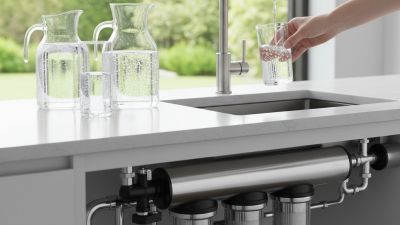
Reflect on your water consumption habits. If you use a lot of water for cooking and drinking, an under-sink system could be more effective. On the other hand, a pitcher filter might suffice for occasional use. Evaluating your daily habits can lead to smarter choices.
Cost Analysis: Investing in a Water Filtration System for Home Use
Investing in a water filtration system for home use is becoming essential. Many homeowners prioritize clean water. Understanding the costs involved can save money in the long run. There are various options available, from simple filters to complex systems.
When considering a water filtration system, evaluate installation costs. Some systems require professional setup, which can add to your budget. DIY options may seem cheaper, but consider maintenance needs. It’s crucial to factor in filter replacement costs too. Regular replacements are necessary for effectiveness.
Tips: Always check local water quality reports. This ensures you choose a suitable system for your needs. Research different filtration methods.
Reverse osmosis, activated carbon, and UV filters each have pros and cons.
Choosing the right system can minimize future repairs. Take time to compare warranties and customer service options as well.