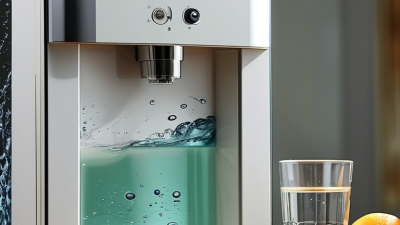
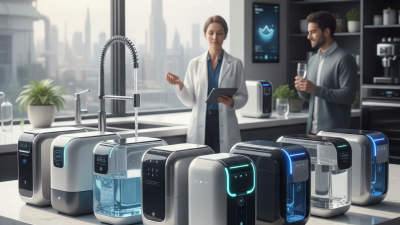
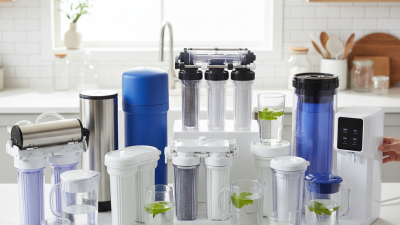
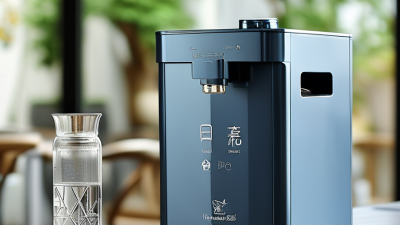
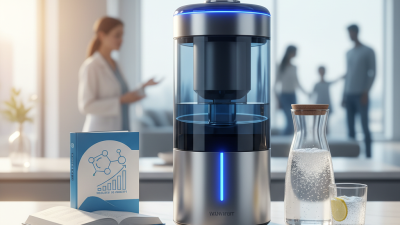
Choosing the right reverse osmosis water filter in 2026 requires more than comparing prices and membrane ratings. Buyers must consider water quality, household size, installation space, maintenance habits, and daily drinking needs. A compact under-sink system may suit an apartment, while a tankless unit can provide faster access and save cabinet space. Whole-house systems need closer evaluation, because not every household requires purified water at every tap.
Real-world performance depends on details that product pages sometimes hide. Check the system’s certified contaminant reduction claims, replacement filter costs, wastewater ratio, flow rate, and storage capacity. Look for relevant NSF/ANSI certifications when available, and verify whether independent testing supports the manufacturer’s statements. A remineralization stage may improve taste, but it does not automatically make every system healthier. Water chemistry varies.
Small details matter.
I have seen buyers focus on daily gallons while overlooking filter access beneath a crowded sink. That mistake can turn routine maintenance into an unpleasant chore. Others choose the highest-rated membrane without checking water pressure or drain requirements. This guide compares the main reverse osmosis water filter types, including traditional tank systems, tankless designs, countertop models, and specialized whole-house options. It also examines their compromises, installation demands, operating costs, and practical value. No single type wins for everyone. Even reliable recommendations should be reconsidered when local water reports, plumbing conditions, or family habits change.
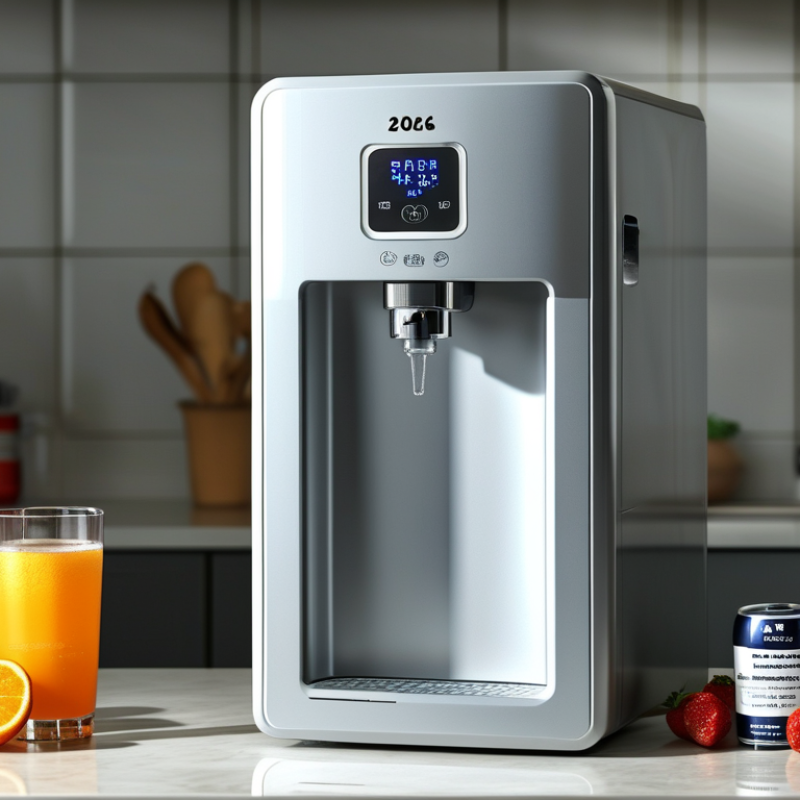
Reverse osmosis systems remain a strong choice for buyers comparing water filter types in 2026. Their central component is a semipermeable membrane, often rated near 0.0001 micron. Water passes through under pressure, while many dissolved salts, metals, fluoride, nitrate, and microorganisms are rejected.
The membrane does not work alone. Sediment filters catch sand and rust, while carbon filters reduce chlorine that may damage the membrane. A pressure tank or direct-flow unit then delivers treated water to the faucet.
In practical installations, I check water pressure, drain flow, and filter age before judging performance. Weak pressure can reduce production and change the system’s real-world results.
It is not magic.
Reverse osmosis also produces wastewater during filtration. Its removal rate depends on pressure, temperature, membrane condition, and the incoming water chemistry. Some gases and very small dissolved compounds may pass through, so testing remains more reliable than assuming perfect removal. Buyers should review independent performance data and use certified replacement filters when possible. Maintenance is easy to underestimate; a neglected housing can smell stale, and an old membrane may quietly deliver less protection. Even clear water can hide declining performance, which is why periodic testing deserves more attention than appearance.
Under-sink reverse osmosis systems usually offer four to seven filtration stages for daily household use. A four-stage model may include sediment, carbon, membrane, and polishing filters. More stages can add mineral adjustment or specialized carbon treatment.
Capacity is often listed as 50 to 100 gallons per day. This rating assumes ideal water pressure, temperature, and clean filters. Real output can be lower in a cold kitchen or during weak municipal supply.
Pressure matters. A booster pump may improve performance, but it also adds noise and another component to maintain.
Choose based on water testing, household demand, and cabinet space. A small apartment may work well with 50 GPD, while a larger family could prefer 75 or 100 GPD. Check the recovery ratio, replacement cost, connection size, and storage tank dimensions before buying. A higher stage count is not automatically better. It can mean more maintenance and slower flow. Keep records of filter changes. Measure twice. In practice, many installation problems come from cramped plumbing, not poor filtration. Buyers should also look for independently verified performance claims and clear contaminant-reduction data. Some specifications remain vague, so careful comparison is necessary.
Whole-house reverse osmosis systems are designed for homes with unusually high water demand. Their rated capacity typically ranges from 100 to more than 1,000 gallons per day (GPD). A 100-GPD unit may suit a small household with moderate consumption. Larger homes, guest properties, and irrigation-free sites may need 500 GPD or more.
Capacity labels need careful reading. Manufacturers usually test at specific temperature, pressure, and salinity levels. Cold water can reduce membrane output significantly. A 1,000-GPD rating may not deliver 1,000 gallons under real household conditions. Pretreatment also matters. Sediment filters, carbon stages, water softening, and iron control can protect the membrane and stabilize performance.
Water efficiency deserves attention. The U.S. EPA WaterSense Reverse Osmosis Specification requires qualifying point-of-use systems to achieve at least 30% efficiency, meaning no more than 2.3 gallons of reject water per gallon produced. Whole-house systems may perform differently. The practical design should include a storage tank, pressure controls, and a reliable drain strategy. The math is not always tidy. The World Health Organization’s Guidelines for Drinking-water Quality also emphasize source-water testing and risk-based treatment decisions, rather than one universal filter design. A professional water analysis should check hardness, total dissolved solids, nitrate, arsenic, and microbial risks before sizing the system.
For 2026 buyers, water efficiency deserves more attention than filter appearance. A tankless reverse osmosis system rated at 2:1 sends about two gallons to drain for every gallon purified. Traditional 4:1 systems may discharge four gallons for the same output. That difference becomes noticeable under a kitchen sink. A household producing three gallons daily could save roughly six gallons each day, depending on operating conditions.
Real performance depends on water pressure, temperature, incoming quality, and membrane condition. Cold water often reduces output. Low pressure can increase waste. Ask for tested recovery data, not only a marketing ratio. Check whether the figure applies to the complete system or an ideal laboratory setup. A pressure gauge and a measuring jug provide a useful home check. Record drain water for ten minutes, then compare it with purified water collected during the same period.
Tankless designs also remove the storage tank, which can free cabinet space and reduce waiting time. Their electronic controls may require more attention, however. Sensors can fail, and replacement filters must match the system’s specifications. I would not treat 2:1 as a permanent promise. Membranes age, and household water conditions change. A system that looks efficient during installation may perform differently six months later. The less glamorous details matter: filter costs, service access, noise, and the actual drain flow.
When choosing a reverse osmosis water filter in 2026, buyers should look beyond attractive removal claims. NSF/ANSI 58 certification is a practical quality benchmark for residential reverse osmosis systems. It evaluates important areas, including structural safety, material control, and reduction of selected contaminants. Certification does not mean every system removes everything. Check the exact contaminants listed for that certified model.
Up to 99% contaminant reduction sounds impressive, but the phrase needs careful reading. Actual performance depends on water pressure, temperature, membrane condition, and incoming water quality. In household testing, a neglected prefilter can reduce flow and weaken treatment results. Replace filters according to measured usage, not only calendar reminders. Water may look clear and still contain dissolved substances.
Ask for a current performance data sheet before buying. It should identify tested contaminants, reduction percentages, operating conditions, and replacement parts. Look for independent certification details, not vague laboratory language. A simple TDS meter can help track changes, although it cannot detect every harmful substance. That limitation matters. Even careful buyers can overtrust one number. For homes with unusual water chemistry, a professional water test is a more dependable starting point.
Build your system. Protect your boat. Join the movement.