Best Water Filter Options in China for Global Buyers?
When it comes to ensuring clean drinking water, selecting the right water filter is crucial. In China, several options stand out for global buyers seeking reliable and efficient solutions. The variety of water filters available can be overwhelming, reflecting local preferences and technologies. Chinese manufacturers often prioritize innovative designs, which cater to both urban and rural needs.
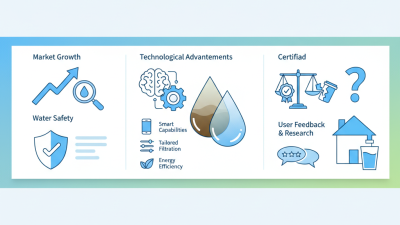
Many buyers may not realize the importance of certifications. Some filters boast impressive filtration rates, yet lack required health safety standards. Researching brands is essential. Not all options are created equal; some may not effectively remove contaminants. Consideration of local water quality is vital. Filters that perform well in urban areas may not suit rural locations, highlighting the need for personalized choices.
While many Chinese water filters meet international standards, potential buyers should approach with caution. Examining user reviews can provide insights into real-world performance. Some products may promise much but deliver little. The market is diverse, with options ranging from basic pitchers to advanced reverse osmosis systems. Choosing the right water filter requires informed assessment, balancing effectiveness, cost, and reliability.
Overview of Water Quality Issues in China
Water quality in China is a growing concern. According to the China Water Quality Report 2022, approximately 30% of urban residents rely on untreated water sources. This alarming statistic highlights the urgent need for effective water filtration solutions. Many pollutants, including heavy metals and industrial waste, impact drinking water safety across various regions.
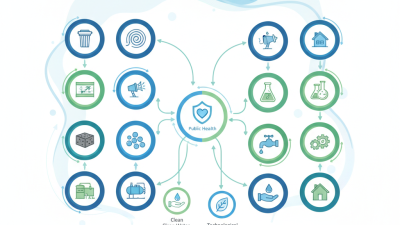
Research indicates that 40% of groundwater monitoring sites in China exceed national safety standards for drinking water. Contaminants such as arsenic and lead are prevalent in several areas. These substances pose serious health risks to the population. The World Health Organization stresses that access to safe drinking water is a critical factor in public health.
As this situation evolves, global buyers must prioritize reliable filtration options. The market offers various solutions, yet not all are suitable. It is essential to consider local water quality tests. Understanding specific contaminants present in each region can guide users in selecting appropriate filters. Further evaluation and ongoing research will enhance our understanding of water quality issues.
Overview of Water Quality Issues in China
Types of Water Filters Available in China
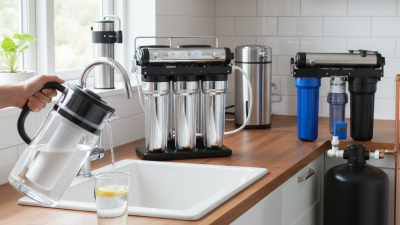
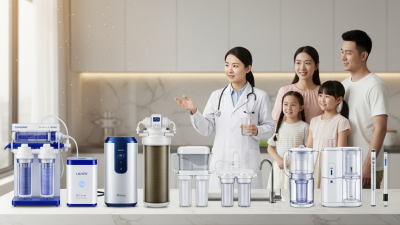
When exploring water filter options in China, understanding the types available is crucial for global buyers. Chinese markets offer a variety of water filtration systems. These range from activated carbon filters to reverse osmosis systems. Each type has its benefits and drawbacks.
Activated carbon filters are popular for their affordability and ease of use. They effectively reduce chlorine and improve taste. However, they may not remove all contaminants. Reverse osmosis systems offer a more comprehensive solution. They can eliminate dissolved solids and impurities, but come with higher costs and more maintenance.
Tips: Consider the water quality in your area before choosing a filter. Some systems work better with specific contaminants. Additionally, be wary of overly complex systems. They can lead to user frustration and installation issues. Choose a filter that suits both your needs and your lifestyle.
Top Brands for Water Filters in the Chinese Market
When exploring the water filter market in China, several noteworthy brands stand out. Consumers can find both domestic and international companies offering a range of filtration options. The emphasis is on quality, reliability, and technology, making it crucial for buyers to do thorough research.
Some local companies focus on innovative filtration methods, enhancing water taste and safety. Their products often fit various budgets, catering to different needs. However, there can be inconsistencies in performance across models. Understanding filtration standards becomes vital when selecting a suitable product.
Global buyers should also consider after-sales support when choosing a brand. Some companies provide excellent customer service, while others may lack comprehensive support. Reviews and user feedback play a significant role in assessing these aspects. Engaging with local communities can also provide insights into user experiences, guiding new buyers in making informed decisions.
Key Features to Consider When Choosing Water Filters
When selecting a water filter, key features play a critical role. The first thing to consider is filtration efficiency. Not all filters remove the same impurities. Research shows that some only tackle chlorine, while others address heavy metals and bacteria. A reliable filter should effectively reduce contaminants without compromising water quality.
Another vital feature is the filter lifespan. Filters need regular replacement to remain effective. Some models may last for months, while others require frequent changes. It’s essential to assess how often you'll need to replace the filter. This can impact both maintenance costs and convenience.
Lastly, the design and installation process matter. Easy installation can save time and effort. Consider filters that blend seamlessly with your kitchen. Some users may find that bulky filters affect aesthetics or usability. A good water filter should enhance your kitchen experience, not detract from it. Make sure to evaluate all these factors.
Import Regulations and Tips for Global Buyers Seeking Filters in China
When diving into China's water filter market, global buyers need to navigate complex import regulations. A recent industry report indicated that nearly 30% of imported water filtration systems face compliance issues due to inadequate documentation. Buyers must ensure their products meet the China Compulsory Certification (CCC) standards to avoid customs delays.
Another hurdle is understanding local market preferences. Research shows that around 55% of Chinese consumers prefer reverse osmosis systems due to their perceived effectiveness. Global buyers should consider these trends when selecting products. Failing to align with local demand may result in poor sales performance.
Communication with reliable suppliers is crucial. Establishing clear agreements helps mitigate misunderstandings related to quality and compliance. A survey from the International Trade Centre revealed that 45% of import-related disputes arise from poor supplier communication. Future buyers should learn from these challenges to enhance their import experience effectively.