Best House Water Filter System For Clean Safe Drinking Water?
Access to clean and safe drinking water is essential for health. A reliable house water filter system can significantly improve water quality. This system removes contaminants and impurities, ensuring better taste and safety.
Choosing the right house water filter system is crucial. There are various types available on the market. Some are easy to install, while others may require professional assistance. Price is also a consideration. Higher cost does not always guarantee better performance.
Understanding your water source is vital. Testing your water can reveal specific issues. This knowledge helps you select the most effective filter. Investing time in research pays off. A well-chosen house water filter system can enhance your family's health.
Key Considerations for Choosing a House Water Filter System
When choosing a house water filter system, several key considerations come into play. The first aspect is the type of contaminants present in your water supply. According to the Environmental Protection Agency (EPA), over 80% of water systems in the U.S. contain harmful contaminants. Regular testing can help identify specific issues, guiding you to a suitable filtration method.
The filter's capacity and lifespan are equally critical. An average household uses around 300 gallons of water per day. A system must adequately handle this demand without sacrificing effectiveness. Look for filters that can handle peak usage while maintaining purification standards. Experts suggest checking for certifications from organizations like the NSF or WQA, which ensure reliable performance.
Another factor to consider is maintenance. Systems requiring frequent replacements or skilled installation may deter proper use. Research shows that user-friendly systems tend to have better long-term compliance rates. Accessibility to replacement filters is also crucial. Reflect on how these components affect your daily routine. The importance of clean, safe drinking water cannot be overstated, yet many still underestimate the impact of their filtration choices.
Top Types of Water Filter Systems: Pros and Cons
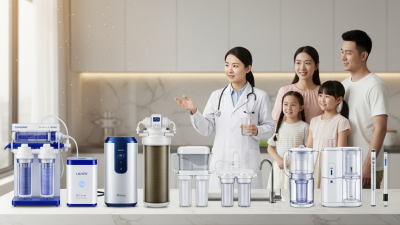
When considering a home water filter system, it's crucial to understand the various types available. Each system has its own pros and cons, impacting your choice for clean and safe drinking water. Activated carbon filters are popular for their ability to improve taste and remove chlorine. According to the Water Quality Association, more than 45% of households in the U.S. use this type. However, they may not effectively remove heavy metals and bacteria.
Reverse osmosis systems offer a robust solution by eliminating up to 99% of contaminants. They are ideal for areas with high TDS levels. Yet, their complexity can lead to maintenance challenges. A study by the Environmental Protection Agency states that systems like these can waste a significant amount of water during filtration. Additionally, they require regular filter replacements, which can be costly over time.
Ultraviolet (UV) filters are gaining popularity due to their effectiveness in disinfecting water. They destroy harmful pathogens without chemicals. However, UV systems do not remove dissolved solids or chemical contaminants, meaning they may not be a complete solution. Potential users should think critically about their specific water quality and filtration needs before selecting a system. Balancing effectiveness with ongoing maintenance and cost is essential for ensuring water safety at home.
Understanding Water Contaminants and Their Health Risks
Water quality is a critical issue globally. Contaminants in drinking water can pose significant health risks. According to the World Health Organization, about 2 billion people use a contaminated drinking water source. These contaminants can include bacteria, heavy metals, and chemicals, each presenting unique hazards.
Bacteria such as E. coli can lead to severe gastrointestinal illnesses. Heavy metals like lead and mercury can cause neurological damage, especially in children. The Centers for Disease Control and Prevention (CDC) states that even low levels of lead exposure can affect a child's brain development. Additionally, chemicals like pesticides can disrupt endocrine functions and have been linked to chronic health issues. Nearly 40% of tap water samples in some urban areas showed traces of pesticides.
Many overlook these risks, assuming tap water is safe. Regular testing and proper filtration systems can significantly reduce these contaminants. Studies indicate that well-designed home filtration systems can remove up to 99% of harmful substances. This highlights the need for awareness about water quality and filtration options for safe drinking.
Industry Standards: NSF/ANSI Certifications for Water Filters
When choosing a water filter system, understanding industry standards is crucial. The NSF/ANSI certifications serve as a benchmark for safety and performance. These certifications ensure that water filters meet strict safety and health requirements. According to the NSF, more than 70% of consumers are unaware of the importance of these standards.
Filters that hold NSF/ANSI certification remove contaminants effectively. This includes lead, chlorine, and other harmful substances. For instance, an NSF study revealed that certified systems can reduce lead levels by up to 99%. This significant reduction offers peace of mind for families.
However, the certification process isn't flawless. Some filters may fail to perform during their lifetime. Regular testing and maintenance can be overlooked. Consumers should remain vigilant about the durability and effectiveness of their chosen systems. By being informed, homeowners can ensure their drinking water remains clean and safe.
Cost Analysis: Long-Term Savings with Water Filtration Systems
Investing in a home water filtration system can yield significant long-term savings. A report by the Environmental Protection Agency (EPA) indicates that Americans spend over $50 billion annually on bottled water. Choosing filtration can drastically reduce this expense. According to a study by the Water Quality Association, households with water filters can save hundreds each year compared to purchasing bottled alternatives.
In addition to cost savings, filtered water enhances health. Clean water reduces the risk of exposure to contaminants, which is crucial. The CDC notes that drinking untreated water can lead to serious health issues. Filtered systems provide peace of mind, knowing you are consuming safe water. A moderate initial investment in a filtration system can lead to lower medical bills down the road.
However, not all filtration systems work equally. Effectiveness can vary widely. Some systems may require regular maintenance, adding to costs. Consumers should research and consider the upkeep before making a decision. A thorough analysis of options can help in selecting a reliable system that meets individual needs. This can prevent unforeseen expenses in the future.
Cost Analysis of House Water Filter Systems