7 Best Water Purification Systems for Home Use

Safe water can look clear, smell neutral, and still contain unwanted chemicals or microbes. That uncertainty explains the growing interest in water purification systems for home use.

The WHO and UNICEF Joint Monitoring Programme reported that 2.2 billion people lacked safely managed drinking water in 2022. The figure is global, not a diagnosis for every household. Still, it shows why water quality deserves evidence, not guesswork. In the United States, the Environmental Protection Agency recommends checking local Consumer Confidence Reports before choosing treatment equipment. Your tap water may need chlorine reduction, lead control, hardness treatment, or microbial protection. One device rarely solves every problem.

“​​There is no single treatment technology that will remove all contaminants,” says Dr. Joseph Cotruvo, a former U.S. EPA drinking-water adviser and water-quality scientist. His warning remains practical. A carbon filter may improve taste, but it may not remove dissolved minerals. Reverse osmosis can reduce many contaminants, yet it creates wastewater and requires regular maintenance.

This guide compares seven leading options through certification, contaminant reduction, flow rate, maintenance, and operating cost. NSF/ANSI standards provide useful benchmarks, but certification must match the specific contaminant claim. Read the label carefully.

Small details matter. A neglected cartridge can become a weak point. So can an oversized promise.

The best choice depends on laboratory results, household size, plumbing conditions, and budget. That may sound less convenient. It is also more honest. Each system below offers strengths, limitations, and practical clues for choosing safer water at home.
7 Best Water Purification Systems for Home Use

How Home Water Purification Systems Work and What They Remove

Choosing among the seven best home purification systems requires understanding what each method actually removes. Sediment filters trap sand and rust, while activated carbon reduces chlorine, odors, and many organic chemicals. Ion-exchange softeners target calcium and magnesium, not bacteria. Reverse osmosis uses pressure through a membrane and can reduce dissolved salts, lead, arsenic, and some PFAS. Ultraviolet treatment inactivates microorganisms but does not remove chemicals. Distillation separates many contaminants through evaporation. Whole-house systems combine several stages, often with higher maintenance demands.

The differences matter at the kitchen tap. The U.S. Environmental Protection Agency’s 2024 PFAS rule set enforceable limits of 4.0 nanograms per liter for PFOA and PFOS. Certified reverse-osmosis or carbon systems may help, but performance depends on certification and filter replacement. NSF/ANSI standards separate claims: Standard 42 covers aesthetic effects, Standard 53 addresses health-related contaminants, and Standard 58 covers reverse osmosis units. Labels can still mislead.

The World Health Organization and UNICEF reported that 2.2 billion people lacked safely managed drinking water in 2022. That global figure makes household treatment important, but not automatically simple. I have found that a neglected cartridge can create pressure loss, strange tastes, and false confidence. Test the incoming water when possible. Compare laboratory results with the system’s certified reduction claims, then replace filters on schedule. Some membranes also waste water, an inconvenient detail worth measuring.

7 Best Water Purification Systems for Home Use

Home water purification systems use different methods to target contaminants. The chart shows the number of common contaminant groups each technology is designed to address: sediment, chlorine and odor, bacteria, viruses and parasites, hardness and dissolved salts, and selected metals or nitrate. Actual performance depends on system design, maintenance, water quality, and independent certification.

How they work: Sediment filters physically trap particles, activated carbon adsorbs chlorine and many odor-causing compounds, ultraviolet light inactivates microorganisms, ion exchange reduces hardness and selected dissolved contaminants, distillation separates water from many non-volatile impurities, ultrafiltration blocks particles and many microorganisms, and reverse osmosis removes a broad range of dissolved contaminants through a semipermeable membrane.

Key Factors for Comparing Seven Home Water Purification Options

7 Best Water Purification Systems for Home Use

Comparing seven home water purification options requires more than checking removal claims. Activated carbon can improve taste and reduce some chemicals, while ceramic filters help trap particles and certain microorganisms. Reverse osmosis removes many dissolved substances, but it may waste water and strip useful minerals. Ultraviolet treatment targets microorganisms without changing taste. Distillation is thorough, yet it consumes energy and works slowly. Ion exchange can reduce hardness, although it requires careful salt and resin management. Whole-house sediment and carbon systems protect multiple fixtures, but they may not address every contaminant.

Look at your water report before choosing equipment. Test for hardness, lead, nitrates, microorganisms, and unpleasant odors when relevant. Check independent performance certification, replacement costs, flow rate, storage capacity, and installation limits. A filter that removes one contaminant may perform poorly against another. My first comparison mistake would be focusing only on the purchase price. A cheaper unit can become expensive after frequent cartridge changes. Maintenance matters.

Tips: Measure your kitchen counter space and note your daily water use. Replace cartridges on schedule, even when the water still tastes normal. Keep records of filter changes and test results. If your source water changes seasonally, retest it. Also, avoid assuming “natural” means safe; untreated water can carry invisible risks. For uncertain results, consult a qualified water professional and follow local drinking-water guidance.

Seven Effective Water Purification Systems for Different Household Needs

Choosing the right home water purifier depends on your water source, household size, and daily habits. A countertop gravity purifier suits renters who need simple installation and occasional use. An activated carbon pitcher can improve taste, reduce chlorine odors, and fit easily inside a refrigerator. It is convenient, but filter replacement dates are often ignored.

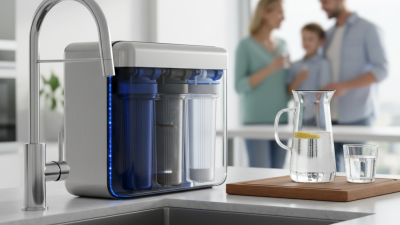
An under-sink carbon system serves families that drink water throughout the day. It provides faster access without occupying counter space. For homes with high mineral content, a reverse osmosis system can reduce many dissolved contaminants. It usually needs a storage tank, regular filter changes, and wastewater management. A whole-house filtration system treats water entering the property, making showers and laundry more comfortable. However, it may not solve every drinking-water concern.

Ultraviolet purification works well when water is microbiologically unsafe, but it requires electricity and relatively clear water. A distillation unit can produce highly purified water for small households, although it operates slowly and consumes noticeable energy. Ceramic filtration offers a durable option for removing particles and many microorganisms when properly maintained. Check independent certification, laboratory reports, and local water-quality data before buying. I have found that maintenance matters more than impressive packaging. A neglected filter can become the weakest part of the system. That detail is easy to miss. During selection, test the tap water, estimate daily usage, and leave room for an honest mistake: replacement costs may exceed the original purchase price.

Installation, Filter Replacement, and Daily Maintenance Requirements

7 Best Water Purification Systems for Home Use

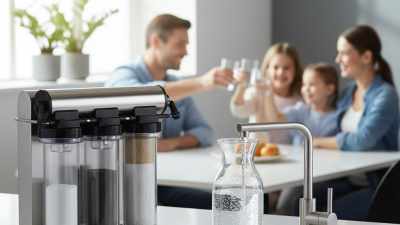
Choosing a home purifier means planning for installation and ongoing care. Under-sink carbon filters, reverse osmosis units, ultraviolet systems, countertop purifiers, gravity filters, distillers, and whole-house systems each need different attention. Check water pressure, available space, drain access, and the manufacturer’s certified performance claims before installation. A qualified plumber should inspect connections, especially when the unit uses a storage tank or waste line.

Filter replacement is not optional. Carbon cartridges often need changing every few months, while reverse osmosis membranes may last longer under suitable conditions. Heavy sediment can shorten these periods. Record the installation date on a small label. Inspect tubing for dampness, tighten fittings gently, and flush new cartridges until the water runs clear. I once delayed a filter change because the water still looked normal. That was a poor test; taste and appearance cannot reveal every contaminant.

Tips: Wipe the faucet daily with a clean cloth. Wash removable parts weekly. Sanitize storage tanks according to the instructions. Never use harsh chemicals unless the manual permits them. Watch for slower flow, unusual odors, or repeated leaks. These signs deserve attention, not guesswork. Test treated water when local guidance recommends it, particularly after plumbing changes or a long shutdown. Keep replacement parts sealed and labeled. Maintenance feels repetitive. It still protects performance.

How to Choose the Right Purification System for Your Home Water Supply

Choosing among seven water purification systems starts with testing your water, not comparing advertisements. A certified laboratory can identify lead, bacteria, nitrates, hardness, and unpleasant tastes. Municipal water reports help, but they may not reflect your indoor plumbing.

Activated carbon filters suit chlorine and many odors. Sediment filters catch sand, rust, and visible particles. Reverse osmosis can reduce dissolved salts, metals, and some contaminants, but it wastes water and needs pressure. Ultraviolet treatment targets microorganisms, yet it does not remove chemicals or cloudy particles. Distillation handles many dissolved substances, although it uses energy and produces water slowly. Ion exchange softeners reduce hardness, but they are not complete purification systems. Whole-house filtration protects showers and appliances, while point-of-use units often provide better drinking water control.

Think about the source, household size, and daily demand. A family using well water may need sediment removal, laboratory testing, and disinfection. An apartment with treated municipal water may only need carbon filtration. Check replacement costs, installation space, flow rate, and maintenance records before buying. Certification to relevant safety standards adds useful confidence, but it does not guarantee every contaminant is removed.

Maintenance is easy to underestimate. A neglected filter can become ineffective or unhygienic. Follow the replacement schedule, and retest questionable water. Perfect choices are rare. I would rather choose a simpler system that receives regular care than an advanced unit forgotten beneath the sink.

7 Best Water Purification Systems for Home Use - How to Choose the Right Purification System for Your Home Water Supply

No. Purification System Main Contaminants Addressed Typical Use and Flow Maintenance Requirements Advantages Important Limitations Best Choice For
1 Under-Sink Reverse Osmosis Dissolved salts, lead, arsenic, fluoride, nitrate, some PFAS, microorganisms, and many other contaminants when the system is certified for them. Point-of-use drinking water; commonly about 0.1–0.5 gallons per minute at the faucet. Sediment and carbon filters usually every 6–12 months; membrane commonly every 2–5 years, depending on water quality and use. Provides broad contaminant reduction and improves taste; suitable for drinking and cooking water. Produces wastewater, needs storage space and adequate pressure, and removes beneficial minerals along with contaminants. Homes seeking the broadest drinking-water treatment at one or two kitchen outlets.
2 Whole-House Activated Carbon Filtration Chlorine, unpleasant tastes and odors, and selected organic chemicals, depending on the carbon type and contact time. Point-of-entry treatment for all household water; flow commonly ranges from 5–20 gallons per minute. Media replacement often every 6–36 months; backwashing may be required for larger tanks. Treats water throughout the home, protects fixtures from chlorine exposure, and does not normally create wastewater. Does not reliably remove hardness, nitrate, fluoride, many dissolved minerals, or all microorganisms; performance varies by design. Municipal-water homes focused on chlorine taste, odor, and whole-house water quality.
3 Ultrafiltration System Suspended particles, bacteria, and some viruses, depending on membrane pore size and certification; generally does not remove dissolved salts. Point-of-use or whole-house use; household flow commonly ranges from 1–10 gallons per minute. Prefilters commonly every 6–12 months; membrane service often every 2–5 years. Uses less water than reverse osmosis, retains many minerals, and can provide microbiological filtration without electricity in some designs. Usually ineffective against dissolved salts, nitrate, fluoride, and many chemicals; requires adequate pressure and regular sanitation. Homes with relatively low dissolved solids that need particle and microorganism reduction.
4 Ultraviolet Disinfection Bacteria, viruses, and other microorganisms when the lamp delivers the required UV dose and the water is sufficiently clear. Point-of-entry treatment; common residential flow rates are about 5–20 gallons per minute. Lamp replacement typically every 9–12 months; quartz sleeve cleaning may be needed several times per year. Effective microbial inactivation without adding chemicals or changing mineral content. Does not remove chemicals, metals, salts, sediment, or odors; requires electricity and prefiltration for cloudy water. Private-well homes with microbiological concerns, especially when combined with sediment filtration.
5 Distillation System Many dissolved solids, heavy metals, bacteria, viruses, and other contaminants that do not readily vaporize. Point-of-use drinking water; countertop units often produce about 0.25–1 gallon per hour. Cleaning to remove scale after several cycles or as recommended; carbon post-filter replacement is commonly annual. Produces very low-mineral water and does not require high water pressure. Slow, energy-intensive, and unsuitable for treating the full household supply; volatile compounds may require additional carbon treatment. Small households needing limited quantities of highly purified drinking water.
6 Sediment and Carbon Pre-Filtration Sand, rust, silt, particulate matter, chlorine, and some taste- and odor-causing compounds. Point-of-entry or point-of-use treatment; flow depends on cartridge size, commonly 2–15 gallons per minute. Sediment cartridge replacement commonly every 3–12 months; carbon cartridge replacement commonly every 6–12 months. Affordable, simple to install, and useful for protecting plumbing and downstream purification equipment. Limited protection against dissolved minerals, hardness, nitrate, fluoride, and microorganisms unless specifically certified. Homes needing basic filtration or a pre-treatment stage for reverse osmosis or UV systems.
7 Ion-Exchange Treatment Calcium and magnesium hardness; specialized resin systems can target selected contaminants such as nitrate or certain metals. Usually point-of-entry; residential flow commonly ranges from 5–15 gallons per minute. Salt replenishment every few weeks; resin tank cleaning and periodic servicing depend on water hardness and consumption. Reduces scale, protects water heaters and plumbing, and improves soap performance. A softener is not a complete purifier; it does not disinfect water and adds sodium or potassium to the treated water. Hard-water homes that primarily need scale control, usually alongside a drinking-water filter.

Note: Performance, flow rate, service life, and contaminant reduction vary by model, water chemistry, operating pressure, and maintenance. Select systems that are independently certified for the specific contaminants found in your water test.

Build your system. Protect your boat. Join the movement.

Compare Products
Talk to Sales