Why You Should Invest in a Water Purifier for Home Safety and Health?
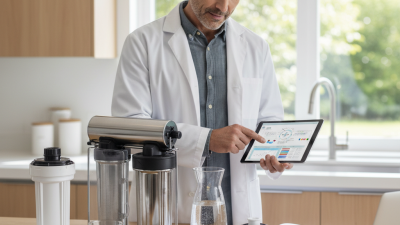
Investing in a water purifier for home is essential for safeguarding health and ensuring safety. Clean water is vital for our everyday lives. However, pollutants in our water supply can pose serious risks. As Dr. Emily Waters, a leading expert in water quality, states, "Safe drinking water is non-negotiable for a healthy life." Her insight underscores the importance of taking proactive measures.
Many people underestimate the harmful contaminants that can lurk in tap water. Bacteria, heavy metals, and chemicals might not be visible, but their effects can be damaging. A water purifier for home not only enhances taste but also improves safety. Filters can remove these unwanted substances, providing peace of mind.
While the initial investment may seem challenging, consider the long-term benefits. Health issues from contaminated water can lead to costly medical bills. Reflecting on your family's well-being may shift your perspective. Choosing a water purifier for home is a thoughtful decision that prioritizes safety and health for everyone.
Importance of Clean Water for Health and Home Safety
Access to clean water is crucial for maintaining good health. Contaminated water can carry harmful bacteria and toxins, leading to serious illnesses. Ensuring home safety starts with knowing what’s in your water. Regular testing can reveal potential pollutants. This knowledge empowers homeowners to take action.
When investing in a water purifier, consider the specific contaminants in your area. Look for filters that effectively remove heavy metals, chlorine, and microbes. Many people overlook the importance of maintenance. A neglected purifier can become a breeding ground for bacteria. Regular cleaning is essential for effectiveness.
Tip: Always check the filter life indicators. This will remind you when to replace the filters.
Another common oversight is underestimating water usage. Families may not consume enough purified water daily. Encourage family members to drink more by placing pitchers of purified water in visible spots. This simple change can lead to better hydration and overall health.
Tip: Promote the habit of refilling water bottles with purified water. It reduces plastic waste and ensures you stay healthy.
Importance of Clean Water for Health and Home Safety
This bar chart illustrates the percentages of common contaminants found in untreated water sources and the associated health risks they pose. Investing in a water purifier can significantly reduce the presence of these contaminants, promoting safety and health for you and your family.
Types of Water Contaminants: What You Need to Know
Water contaminants can severely affect your health. Understanding them is crucial for your family's safety.
Common water contaminants include bacteria, heavy metals, and pesticides.
These pollutants can enter your water supply from various sources, such as poorly maintained pipes, agricultural runoff, and industrial waste.
Bacteria like E. coli can cause severe gastrointestinal issues.
Heavy metals such as lead can lead to long-term health problems, especially in children.
Pesticides may disrupt hormone levels and lead to various health concerns.
Regular water testing can help identify these risks. Yet, many homeowners overlook this step.
This negligence can be dangerous.
Installing a water purifier is a proactive approach.
It ensures that harmful contaminants are removed before they enter your home.
Investing in water quality leads to healthier living. However, not all purification methods are the same.
Some require maintenance that people often ignore. Therefore, understanding your water source is vital.
Reflecting on your water's safety can significantly impact your lifestyle.
Benefits of Installing a Home Water Purifier
Installing a home water purifier offers several compelling benefits for health and safety. A staggering 60% of tap water may contain contaminants like chlorine, lead, or bacteria. Studies reveal that these impurities can affect your health. This raises concerns, especially for vulnerable groups such as children and the elderly. A water purifier acts as a frontline defense against these unseen threats.
The World Health Organization recommends access to safe drinking water. With a purifier, you can significantly reduce harmful substances. For instance, reverse osmosis systems promise to remove up to 99% of dissolved solids. This removes persistent pollutants. Having access to clean water can lead to better hydration and improved overall health. It is important to reflect on whether your current water source meets safety standards.
Moreover, investing in a purifier can be cost-effective. Bottled water may seem convenient, but it can accumulate substantial costs over time. Research shows that using a home system can save families hundreds each year. However, this requires an ongoing commitment to maintenance and filter replacements. It's essential to weigh the convenience against your financial investment and the effort required to keep the system operational.
How to Choose the Right Water Purifier for Your Needs
When choosing a water purifier, consider your water quality. The United States Environmental Protection Agency (EPA) states that over 20% of community water systems exceed safe contaminant levels. Regular testing of your water source is crucial. Understanding if you have hard water or contamination can guide your decision.
Next, evaluate the purification methods. UV filters are effective against bacteria and viruses. Reverse osmosis is excellent for chemical contaminants. According to a 2022 report from the Water Quality Association, 70% of homeowners prefer multi-stage systems for comprehensive filtration. Think about your specific needs: Is it taste improvement or pathogen removal?
Finally, consider maintenance and filter replacement. Many systems need filter changes every six months. Some users struggle with upkeep, leading to diminished performance. Regular maintenance ensures that your water remains safe and clean. Addressing these details can greatly impact your health and safety at home.
Why You Should Invest in a Water Purifier for Home Safety and Health - How to Choose the Right Water Purifier for Your Needs
| Purifier Type |
Filtration Technology |
Contaminants Removed |
Cost Range (USD) |
Maintenance Frequency |
| Reverse Osmosis |
Membrane Filtration |
Heavy Metals, Salts, Bacteria |
$200 - $600 |
Every 6 - 12 months |
| Activated Carbon |
Adsorption |
Chlorine, VOCs, Taste Odors |
$30 - $300 |
Every 3 - 6 months |
| Ultraviolet (UV) |
UV Light |
Bacteria, Viruses |
$100 - $400 |
Annual lamp replacement |
| Ceramic Filters |
Porous Filtration |
Bacteria, Sediment |
$20 - $150 |
Every 6 - 12 months |
Cost-Effectiveness of Investing in a Water Purifier
Investing in a water purifier can be a smart choice for your home. Clean water is crucial for health. Many people overlook its long-term benefits. The upfront cost can seem daunting, but it often pays off. A quality purifier reduces the risk of waterborne diseases, saving money on medical bills over time.
Long-term savings can surpass initial costs. Regularly consuming clean water can enhance overall well-being. Additionally, consider the expenses of bottled water. Purchasing bottled water quickly adds up. A water purifier offers a sustainable solution.
When choosing a purifier, think about your water source. Test your water to understand its contaminants. Tips: regularly clean and maintain your system. This ensures effectiveness and prolongs its lifespan. Evaluate your usage. Larger families might need higher-capacity systems. Each decision reflects your commitment to health. Make informed choices for better living.