Top Welding Machines to Buy in 2026 for Global Suppliers?
In the world of manufacturing, the importance of high-quality Welding Machines cannot be overstated. As the industry evolves, so does technology. “Choosing the right welding machines is essential for efficiency and effectiveness,” says John Mitchell, a welding technology expert and consultant. His insights highlight the need for suppliers to stay informed about the latest advancements.
Welding machines vary greatly in features and capabilities. Some excel in speed, while others focus on precision. Each aspect is crucial for different applications. However, not all machines are created equal. Buyers must consider their specific needs and the unique attributes of each model.
In 2026, the landscape for welding machines will likely shift again. Emerging technologies may redefine what is considered state-of-the-art. Suppliers may find themselves facing new challenges and opportunities. Hence, staying updated is vital for success in the welding industry. As manufacturers transition, the reliability of their welding machines will play a significant role in their growth.
Top Considerations When Selecting Welding Machines in 2026
When selecting welding machines in 2026, several key factors must be evaluated. First, assess machine performance. This includes duty cycle, amperage range, and efficiency. A reliable machine should perform consistently under various conditions. Quality is essential, as it affects the durability and output of your work.
Another critical consideration is versatility. Machines that can accommodate different welding processes (MIG, TIG, stick) are invaluable. This flexibility can enhance productivity and reduce costs. Pay attention to ease of use as well. A user-friendly interface can significantly reduce training time and improve overall workflow.
Safety features cannot be overlooked. Modern welding machines often include advanced protection systems. These can reduce the risk of accidents and injuries. Additionally, keep energy consumption in mind. Choosing energy-efficient models contributes to sustainability and lowers operational costs. Reflecting on these aspects can help in making an informed choice.
Overview of Leading Welding Machine Brands for Global Suppliers
When looking at the global welding machine market, several key brands emerge as leaders. According to the latest industry reports, the market is projected to grow significantly. The growth is driven by rising demand in construction and manufacturing sectors. This rising demand highlights the importance of selecting reliable brands.
Key players in the market often focus on advanced technologies. Innovations in inverter and MIG welding machines are gaining traction. A report indicated that more than half of suppliers prioritize machines with energy efficiency. This trend aligns with the growing need for sustainability in production processes.
However, not all brands meet these expectations consistently. Some may fall short on service and support, causing frustration among users. Identifying the right welding machine requires careful evaluation. Many suppliers still face challenges while attempting to balance cost and quality. As the industry evolves, better solutions must be sought to ensure reliability and performance.
Top Welding Machines to Buy in 2026
Technological Advancements in Welding Machines for 2026
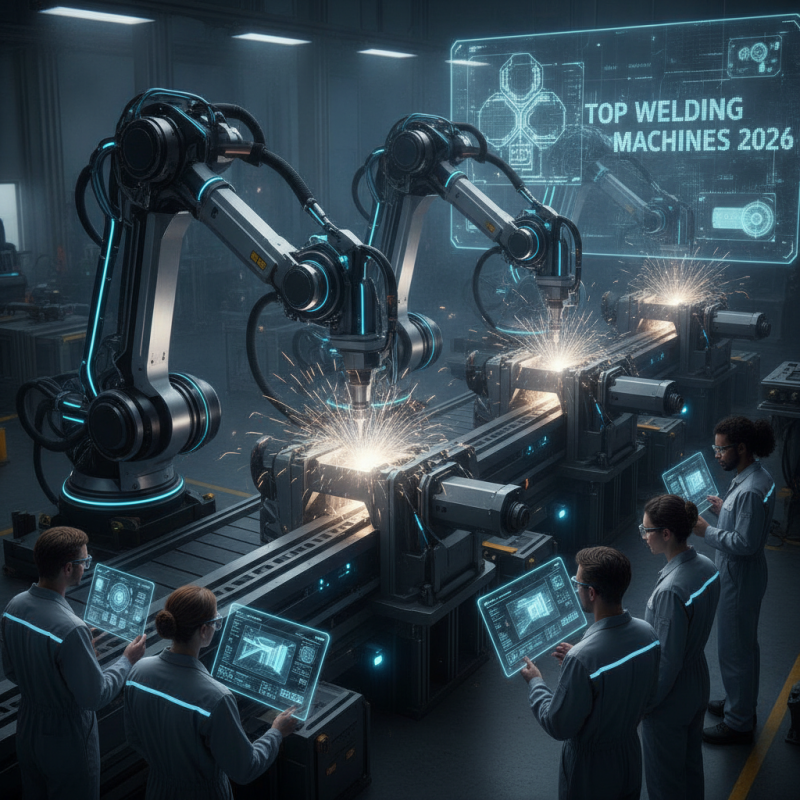
As we approach 2026, welding machines are becoming more advanced and efficient. New technologies are shaping the future of welding. Innovations like automation and smart sensors enhance precision. These features reduce errors and save time on the shop floor.
In addition, the trend towards eco-friendly welding solutions is gaining traction. Machines now utilize less energy and generate fewer emissions. This aligns with the global push for sustainability. However, integrating these technologies can be a challenge. Companies must invest in training and infrastructure.
The rising complexity of these machines demands skilled operators. Not all suppliers are ready for such changes. There is a need for ongoing education in the field. As new technologies emerge, companies may struggle to keep up. Reflecting on these advancements can highlight potential gaps in preparation. Each company must assess its readiness for these advancements as 2026 approaches.
Cost-Effectiveness: Budgeting for Welding Machines in Global Markets
Investing in welding machines requires careful budgeting. The cost of welding equipment varies significantly across markets. A recent industry report indicates that average prices could fluctuate by up to 25% depending on location and specifications. Suppliers must stay aware of these dynamics to maximize their returns.
In recent years, the global welding market has seen increasing demand, projected to grow at a CAGR of 6.4% through 2027. Affordable options are crucial for many small to medium enterprises. These businesses must prioritize cost-effectiveness without sacrificing quality. One strategy involves focusing on machines that offer a mix of functionality and durability.
Research shows that operational costs can surpass initial investments. For instance, energy-efficient machines tend to save around 15% on operational costs. Maintenance expenses also play a vital role. Choosing machines that require less frequent servicing can lead to significant long-term savings. Balancing initial expenses with life-cycle costs is a challenge many suppliers face.
Future Trends in Welding Technology and Their Impact on Suppliers
The welding industry is on the brink of transformation, driven by emerging technologies. Automation and AI are reshaping processes. According to recent data, around 50% of welding tasks are expected to be automated by 2026. This evolution offers efficiency but raises questions about workforce adaptation and training needs.
New materials like advanced composites are becoming more common. Suppliers must update their processes to accommodate these changes. A study highlighted that 30% of global welding suppliers are investing in new technologies to stay competitive. However, many face challenges in integrating these solutions effectively.
Data suggests a shift towards more environmentally friendly practices in welding. Companies are focusing on reducing emissions and energy consumption. Nearly 40% of suppliers are exploring greener technologies. While the intent is promising, the practicalities of implementation may vary significantly, requiring ongoing adjustments and evaluations.