Top 10 Water Hole Drilling Machines for Efficient Procurement?
In the field of water hole drilling, efficiency and precision are paramount. Experts like Dr. Jane Carter, a renowned specialist in drilling technologies, emphasize, "The right Water Hole Drilling Machine can make all the difference in resource management." As the demand for reliable water sources rises, selecting the best machines becomes crucial for successful procurement.
Water hole drilling requires specialized equipment designed to handle various geological conditions. A well-selected drilling machine ensures faster operations and reduces operational costs. The importance of these machines cannot be understated, particularly in regions suffering from water scarcity. However, not all machines are created equal. Some may underperform or lack the durability needed for tough environments.
Investing in a quality Water Hole Drilling Machine requires careful consideration. Factors like power, efficiency, and ease of maintenance should guide purchasers. This decision process may involve trial and error. Engaging with industry experts helps narrow down suitable options. Ultimately, choosing wisely can lead to sustainable water solutions and enhanced community resilience.
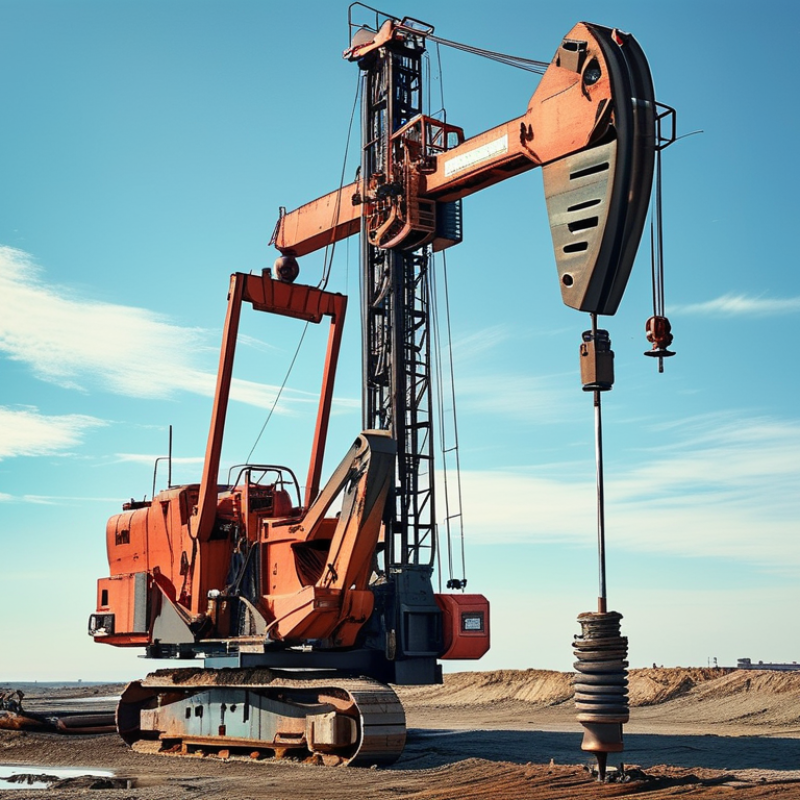
Overview of Water Hole Drilling Machines and Their Applications
Water hole drilling machines play a crucial role in various industries, from construction to environmental research. They are designed to create holes for water extraction, geological surveys, and mineral exploration. According to a report by Global Market Insights, the water well drilling market is expected to exceed $10 billion by 2026, indicating significant growth driven by increasing freshwater needs.
These machines vary in size and functionality. Large rotary drilling rigs are ideal for deep wells, while portable models suit smaller projects. Hydraulic systems are often used, providing efficiency and reducing manual labor. Recent data suggests that mechanical advancements have improved drilling speeds by up to 30%. However, challenges remain in ensuring sustainable practices during drilling.
The applications are diverse. In agriculture, they facilitate irrigation. In the energy sector, they help in geothermal energy extraction. Although technology has advanced, issues like groundwater contamination and regulatory compliance persist. As the industry evolves, innovative approaches must address these concerns while maximizing efficiency in procurement and operations. Understanding these nuances is essential for making informed decisions in selecting the right equipment.
Key Features to Consider When Selecting Drilling Machines
When selecting water hole drilling machines, it’s vital to consider several key features. Efficiency is paramount, as drilling operations can be costly. According to a recent industry report, poorly selected machines can result in a 30% increase in operational expenses. Therefore, understanding the speed and power of the drill is essential. Machines with higher torque provide better penetration, especially in tough geological conditions.
Another crucial feature is the portability of the drilling machine. Lightweight models facilitate movement across diverse terrains, making setup quicker and easier. Additionally, user-friendly controls help reduce training time for operators. Reports suggest that operational downtime decreases by approximately 15% when machines have intuitive controls. Drilling depth capacity is also significant; some projects require deeper holes, while others can function with shallower wells.
Maintenance is an area often overlooked. Regular maintenance checks can extend the life of drilling machines significantly. Businesses report savings of up to 25% in replacement costs when adhering to proper maintenance schedules. This consideration could lead to a more sustainable investment in the long term. Reflecting on these features can lead to improved operational efficiency and cost-effectiveness in procurement decisions.
Top 10 Water Hole Drilling Machines: Performance and Efficiency
When it comes to choosing water hole drilling machines, performance and efficiency are key. The right machine can significantly impact drilling speed, accuracy, and overall project success. Many options exist, but not all machines offer the same level of performance. Understanding the specifications and features is crucial for effective procurement.
Consider factors like power, weight, and ease of use. Machines with higher torque often drill deeper and faster. However, heavier models may require more manpower to operate. It’s essential to balance power with mobility. Efficiency in fuel consumption also plays a significant role in reducing operational costs. Evaluate these attributes carefully while making your selection.
**Tips:** Always assess the terrain you will be working on. Some machines excel in soft soil, while others perform better on rocky ground. Maintenance is another aspect to ponder. Machines that are easier to maintain generally save time and resources. Reflect on your specific needs and project goals to choose wisely.
Cost Analysis: Budgeting for Water Hole Drilling Equipment
When budgeting for water hole drilling equipment, it’s crucial to understand the total cost of ownership. This includes not only the initial purchase price but also maintenance costs and operational expenses. A recent industry report indicates that maintenance can account for up to 25% of the total costs over a machine's lifespan. Therefore, choosing reliable equipment is essential for long-term savings.
Innovation in drilling technology can significantly impact budget planning. Advanced machines often feature enhanced efficiency and durability. However, they may come with a higher upfront cost. It’s important to evaluate the return on investment by comparing operating costs and productivity gains. This ensures a thoughtful procurement strategy that aligns with project goals.
Tips: Prioritize equipment with a strong track record in reliability. Check user reviews and conduct field tests if possible. Consider potential resale value too. Also, don’t overlook training costs. Well-trained operators can minimize mishaps and maximize productivity. Recognizing these factors can lead to a more informed and financially sound decision-making process.
Top 10 Water Hole Drilling Machines Cost Analysis
This chart presents the cost analysis of the top 10 water hole drilling machines, highlighting their respective procurement costs. The data shows the budget considerations for acquiring efficient drilling equipment.
Maintenance Tips for Maximizing the Lifespan of Drilling Machines
Maintaining a water hole drilling machine is crucial for its efficiency and longevity. Regular inspections can prevent major breakdowns. Check for signs of wear on drill bits and components after each use. Lubrication is key; keep moving parts well-greased. Use the right type of lubricant to avoid clogs and damage. Inspect hoses and seals for leaks, which can lead to significant issues over time.
Operators should be trained properly to handle the machines. Misuse is a common problem. Operators might ignore warning signs or operate beyond recommended limits. Training can help mitigate mistakes and extend machine life. Additionally, cleaning the equipment after each use removes debris and prevents corrosion. Dust and dirt can cause components to wear faster than expected.
Developing a maintenance schedule is advisable. It allows operators to keep track of inspections and necessary repairs. Skipping routine checks can result in costly repairs and downtime. Reflection on these practices can lead to better outcomes. Machines perform well only when cared for properly. Regular attention ensures that drilling machines remain reliable and effective in their tasks.