Top 10 Water Filter Systems for Home to Enhance Your Drinking Water Quality?
Having clean drinking water is essential for health and well-being. A water filter system for home can significantly improve the quality of your drinking water. These systems remove impurities and contaminants, ensuring that your family has access to safe and refreshing water.
Many people overlook the importance of a water filter system. They assume their tap water is pure enough. Yet, countless studies show that tap water may contain harmful substances. Investing in a good filter system can provide peace of mind. You deserve better than uncertain water quality.
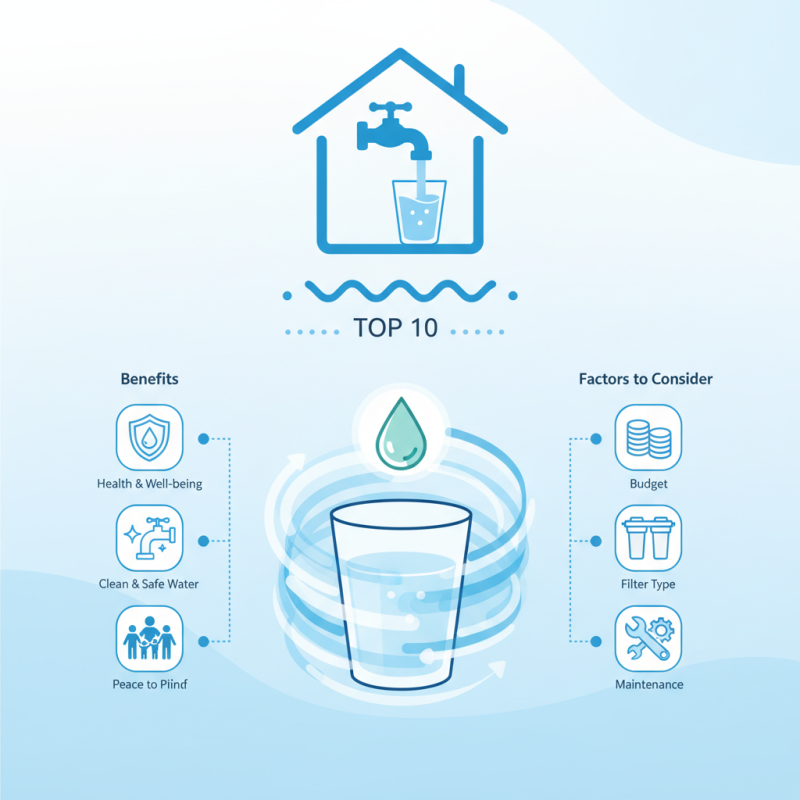
Choosing the right water filter system for home can be daunting. Many options are available, and not all are equal. Each type has its advantages and drawbacks. It's crucial to assess your needs before making a decision. Consider factors like budget, filter type, and maintenance requirements. Taking the time to evaluate these elements can lead to a healthier lifestyle. After all, the water you drink fuels your body every day.
Overview of Home Water Filter Systems and Their Importance
Home water filter systems are essential for enhancing drinking water quality. Reports show that nearly 80% of municipal water supplies contain contaminants. These contaminants range from heavy metals to bacteria, raising concerns about health. Many households rely on bottled water, spending over $100 billion globally each year. Yet, cost-effective filtration systems can provide safer alternatives.
Activated carbon filters are among the most popular options. They effectively reduce chlorine, lead, and volatile organic compounds (VOCs). Studies suggest that such filters can remove up to 99% of chlorine and more than 90% of lead. However, effectiveness can vary based on filter quality and maintenance.
Reverse osmosis systems offer another powerful solution. They can remove up to 95% of dissolved solids. Despite their benefits, these systems produce wastewater. This inefficiency is often overlooked. As we consider water quality, it's vital to weigh these factors. Each system has its pros and cons, and consumers must choose wisely.
Types of Water Filter Systems for Home Use: A Comparative Guide
When choosing a water filter system for home use, it's essential to understand the different types available.
Activated carbon filters are popular for their affordability and effectiveness.
They can remove chlorine, sediment, and volatile organic compounds. However, they may not be as efficient for heavy metals.
Reverse osmosis systems are another option. These systems use a semi-permeable membrane to remove impurities.
They can effectively eliminate bacteria and minerals. The downside? They waste a significant amount of water during the filtration process.
It’s worth noting that some people dislike the taste of remineralized water.
Ultraviolet (UV) purifiers can effectively kill bacteria and viruses. They do not remove chemicals or particles from water.
This makes them a good option for additional purification. Despite their effectiveness, homeowners need an electricity source for these systems to work.
Each type of filter has pros and cons, and the choice depends on your specific needs.
Factors to Consider When Choosing a Water Filter System
When choosing a water filter system, several key factors emerge. The first consideration is the type of contaminants in your water supply. According to the Environmental Protection Agency (EPA), over 85% of U.S. water systems report issues with contaminants such as lead and chlorine. Identifying these impurities can help narrow down your filtration options, whether you need a carbon filter, reverse osmosis, or another system.
Another important factor is the filter's capacity and maintenance. Research indicates that a typical household requires at least 10 gallons of filtered water per day. Maintenance is crucial, as many filters lose effectiveness over time. It's essential to monitor and replace filters regularly, as the EPA advises that nearly 50% of home water filters are not maintained properly. Furthermore, consider the installation process—some systems are more complex than others, which can affect long-term usability.
Cost also plays a significant role in the decision-making process. While cheaper options may seem appealing, research from the Water Quality Association shows that investing in a high-quality system can provide better long-term value. Poor quality filters can lead to secondary contamination issues, leading you to spend more in the end. Balancing these factors can be challenging but is vital for enhancing your drinking water quality effectively.
Top 10 Recommended Water Filter Systems for Enhanced Drinking Water
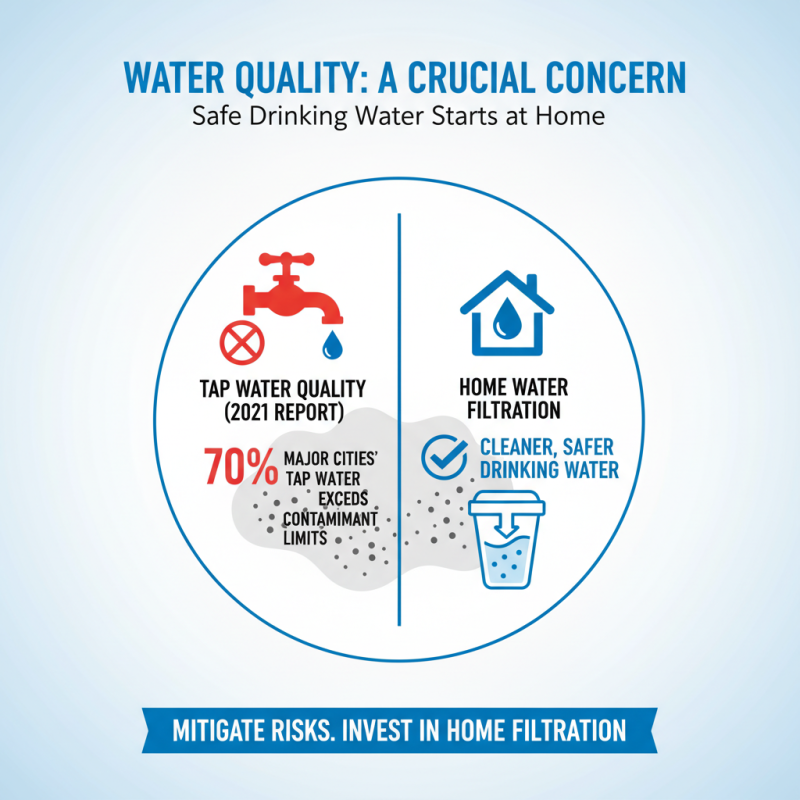
When it comes to drinking water, quality is crucial. A 2021 industry report highlights that about 70% of tap water in major cities shows contaminants above the recommended limits. Home water filter systems can help mitigate these risks, providing cleaner and safer drinking water.
The need for effective filtration cannot be overstated. Many studies reveal that common contaminants include lead, chlorine, and microplastics. A significant finding states that nearly 30% of homes have lead levels above safe thresholds. Advanced filtration systems remove these harmful substances, promoting better health outcomes. There's still room for improvement, though, as not all systems eliminate every type of contaminant.
Access to clean water is a basic right, yet many homes are still at risk. Reports show that over 40 million Americans use water from sources that do not meet safety standards. Investing in a reliable water filter system can enhance the quality of drinking water significantly. Reviewing the features and certifications of various systems is essential to make an informed choice.
Maintenance Tips for Ensuring Optimal Performance of Water Filters
Maintaining your water filter system is vital for drinking water quality. Regular checks can help identify problems. One common issue is clogging, which can reduce flow rates. Make it a habit to inspect filters often, especially after heavy usage. Change filters according to guidelines, but also consider your water's condition. Some households may need replacements more frequently due to higher levels of contaminants.
Cleaning parts of the water filter system is essential. A simple vinegar solution can be used for plastic components to remove any buildup. However, removing every trace is challenging, and some residue might linger. Rinsing thoroughly is important but may not be foolproof. As you maintain your system, keep an eye out for strange tastes or odors. Trust your senses. If something seems off, it might be time to dig deeper.
Don’t forget about storage. Filters should be kept in dry, cool places. Excess moisture can lead to mold growth. This is something many overlook. When replacing filters, check for expiration dates. Using outdated filters may not provide the protection you need. Being diligent about maintenance ensures your water remains safe and pleasant to drink.
Top 10 Water Filter Systems for Home to Enhance Your Drinking Water Quality
| Water Filter System |
Type |
Filtration Method |
Contaminants Removed |
Capacity (Liters) |
Maintenance Tips |
| Under-Sink Filter |
Point of Use |
Carbon Block |
Chlorine, Lead |
500 |
Replace filter every 6-12 months |
| Countertop Filter |
Point of Use |
Gravity Filtration |
Sediments, Chlorine |
1000 |
Clean the system regularly |
| Reverse Osmosis System |
Point of Use |
Reverse Osmosis |
Fluoride, Nitrates |
2000 |
Check water pressure and replace filters yearly |
| Pitcher Filter |
Point of Use |
Activated Carbon |
Chlorine, Lead |
80 |
Replace filter every 40 gallons |
| Whole House Filter |
Point of Entry |
Multi-Stage Filtration |
Sediments, chlorine, heavy metals |
4000 |
Change filters every 3-5 years |
| UV Water Purifier |
Point of Use |
UV Light |
Bacteria, Viruses |
2000 |
Replace UV bulb every year |
| Carbon Block Filter |
Point of Use |
Activated Carbon |
Chlorine, VOCs |
300 |
Change filter every 6 months |
| Distillation System |
Point of Use |
Distillation |
Heavy Metals, Minerals |
800 |
Clean the chamber regularly |
| Ion Exchange Filter |
Point of Use |
Ion Exchange |
Hard Water, Heavy Metals |
1500 |
Regenerate resin as needed |