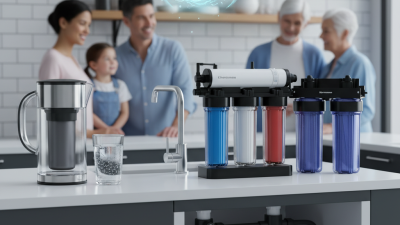
Top Water Filter Systems for Home Use Which One is Best?
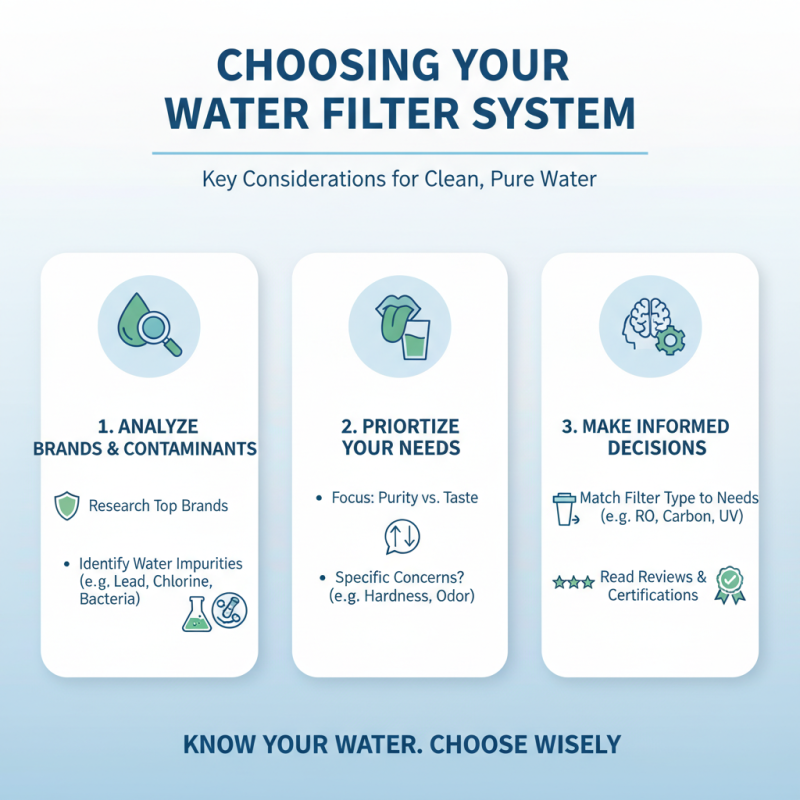
Finding the right water filter systems for home use can be challenging. Many options exist, each claiming to deliver the best quality water. It's essential to understand what you need before choosing.
Quality matters when selecting water filter systems. Some filters remove harmful contaminants effectively while others do not. Consider the contaminants in your water supply and how each system addresses them. You might find the value in a customizable option that can adapt to your needs over time.
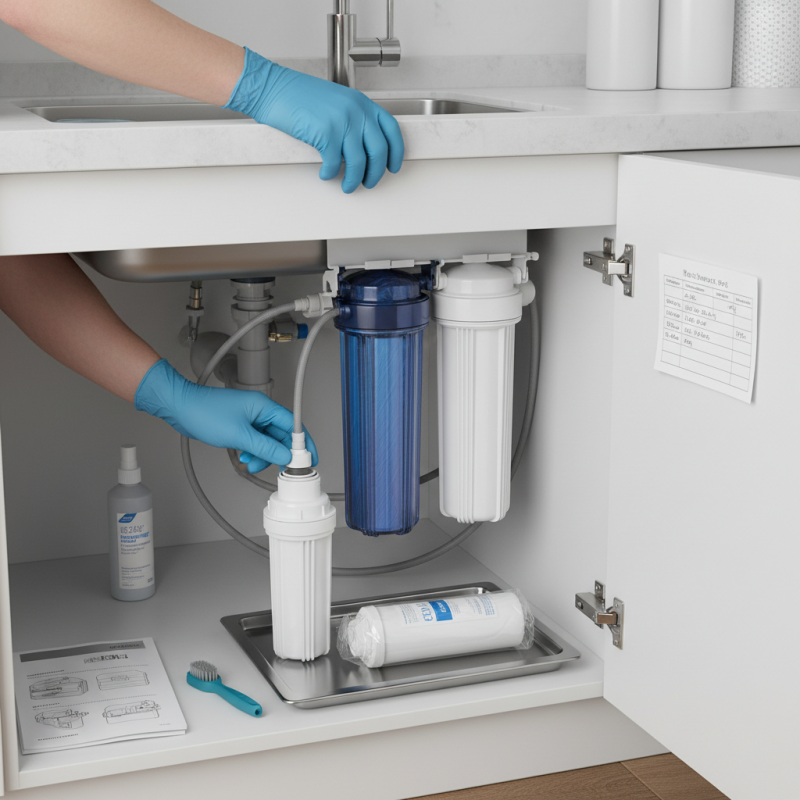
However, not all systems fit every household. Some may be more complicated to install or maintain, leaving users frustrated. It's crucial to weigh the pros and cons of each system. Homeowners often overlook the importance of regular maintenance. A neglected filter can become less effective over time, impacting your water quality. Reflect on your lifestyle as you explore the best options available.
Overview of Home Water Filter Systems
Home water filter systems have gained popularity in recent years. Many households now prioritize clean drinking water. Reports show that nearly 45% of U.S. households use some form of water filtration. This increasing demand reflects growing concerns about water quality.
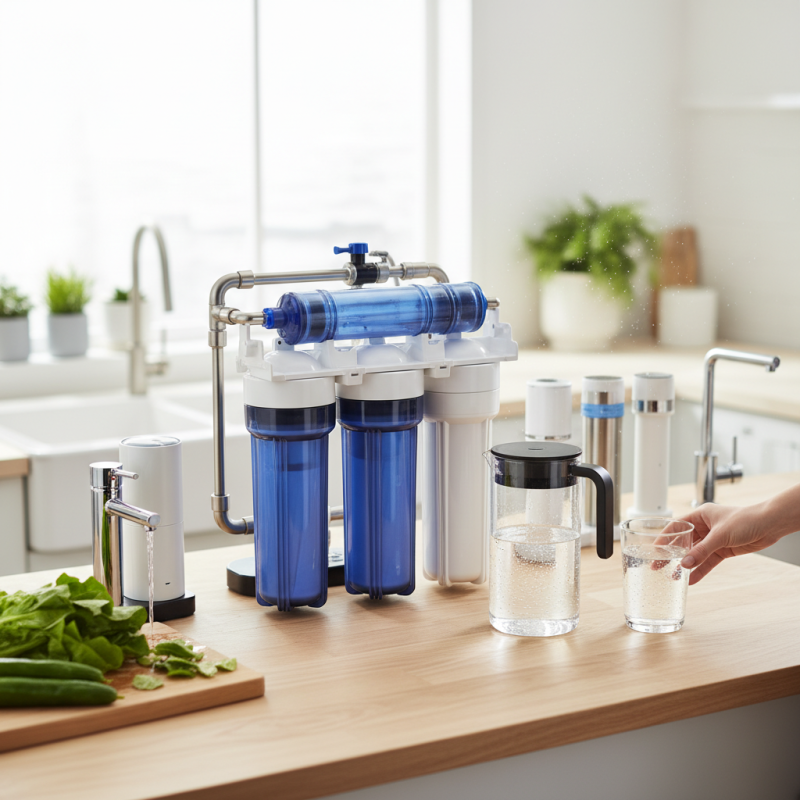
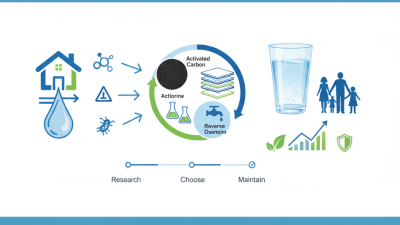
Various home filtration options exist, such as activated carbon filters, reverse osmosis systems, and UV purifiers. Activated carbon filters excel in removing chlorine and improving taste. However, they might not eliminate all contaminants. Reverse osmosis systems provide thorough purification but can waste significant water in the process. Some users find them inconvenient due to their complexity and maintenance needs.
A recent study indicated that 30% of people using water filters do not regularly change cartridges. This oversight can lead to recontamination. Understanding the specific needs of your home is crucial. Whether you have hard water issues or concern about specific pollutants, researching your options is imperative. Investing in a suitable system can improve health and peace of mind.
Types of Water Filtration Technologies
When it comes to home water filtration, various technologies have emerged. Understanding these methods can help you choose wisely. Activated carbon filters are popular for their ability to improve taste. They remove chlorine, sediments, and volatile organic compounds. These filters are often seen in pitchers and under-sink systems. However, they may not eliminate all contaminants.
Reverse osmosis is another widely used method. It utilizes a semipermeable membrane to remove impurities. This process can effectively filter out heavy metals and certain bacteria. Yet, it may also strip essential minerals from water, leading to some health concerns. Regular maintenance of such systems is crucial to ensure efficiency. They can be costly and require periodic part replacements.
Ultraviolet (UV) filters are an effective solution for disinfection. They kill harmful microorganisms using UV light. This technology is great for ensuring safe drinking water. However, UV filters do not address chemical contaminants. Thus, many homeowners consider combining different systems for optimal results. This layered approach can address various water quality issues, though it might complicate installation and maintenance.
Top Water Filter Systems for Home Use Which One is Best? - Types of Water Filtration Technologies
| Filter Type |
Contaminants Removed |
Filter Life (Months) |
Flow Rate (GPM) |
Installation Type |
| Activated Carbon |
Chlorine, Sediment, VOCs |
6-12 |
2-3 |
Countertop/Under sink |
| Reverse Osmosis |
Heavy metals, Nitrates, Fluoride |
12-36 |
0.5-1.5 |
Under sink |
| Ultraviolet |
Bacteria, Viruses |
12-14 |
Varies |
Point-of-use |
| Ceramic |
Bacteria, Sediment, Protozoa |
6-12 |
0.5-1 |
Countertop/Gravity-fed |
| Ion Exchange |
Hardness minerals, Heavy metals |
6-12 |
3-5 |
Whole house |
Key Features to Consider When Choosing a Filter
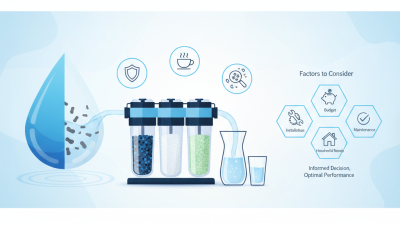
When choosing a water filter system for home use, key features play a significant role. Filtration speed is crucial. A report from the Water Quality Association indicates that most household filters process water at varying speeds. Some can filter water in under five minutes, while others take longer. Slow filtration may lead to user frustration, especially in busy households.
Another important aspect is contaminant removal efficiency. Different filters target different impurities. According to the Environmental Protection Agency, systems that remove chlorine, lead, and parasites are essential for maintaining safe drinking water. Homeowners should prioritize filters with certifications from recognized organizations. These certifications provide assurance of performance.
Size and capacity are often overlooked, yet they affect usage. A compact filter may appeal to smaller spaces, but it can limit the amount of water available. Larger systems often provide better capacity, but they may require more maintenance. Reflecting on these factors is vital for making an informed choice. Balancing design, functionality, and effectiveness can be challenging but rewarding.
Top Water Filter Systems for Home Use