2026 Top Self Priming Sewage Pump Options for Global Buyers?
In today's market, the demand for efficient wastewater management solutions is increasing. The **Self Priming Sewage Pump** has emerged as a vital technology for various applications. These pumps are designed to handle sewage efficiently without requiring priming. This feature makes them highly convenient for both residential and commercial use.
As global buyers explore top options for 2026, understanding the unique qualities of self-priming pumps is crucial. Not all Self-Priming Sewage Pumps perform equally. Factors like durability, ease of maintenance, and energy efficiency must be considered. Buyers should research reputable brands that ensure reliable performance.
While making a decision, it’s important to also recognize potential challenges. Some pumps may not handle solid waste well, leading to clogs. This can hinder their effectiveness over time. Prospective buyers should weigh the pros and cons carefully. Evaluating user reviews and expert opinions can provide valuable insights into the best choices available.
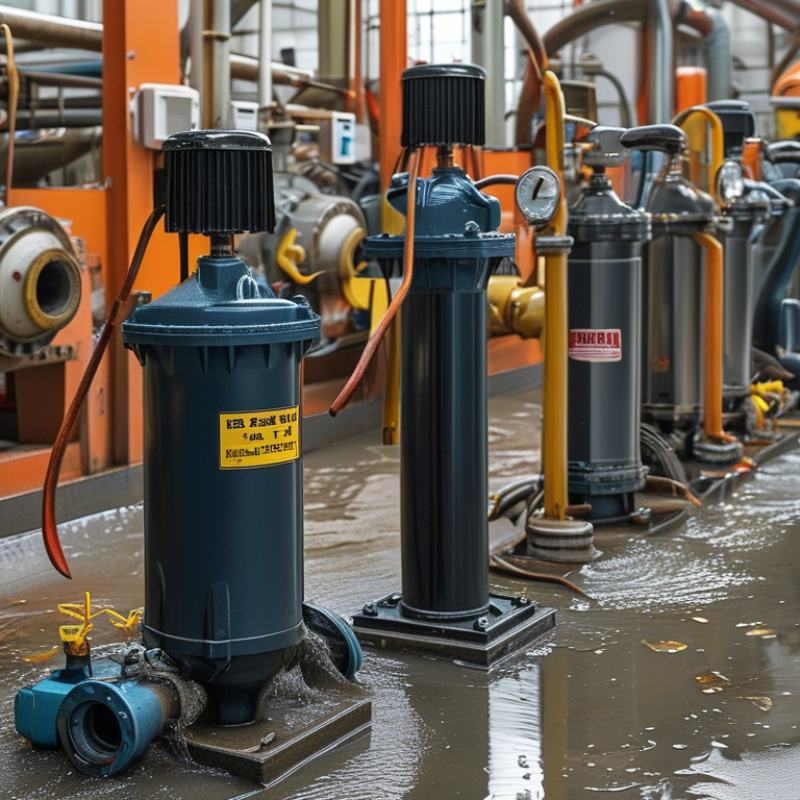
Overview of Self Priming Sewage Pumps and Their Benefits
Self-priming sewage pumps are essential for efficient waste management. They work by creating a vacuum that draws fluids into the pump without needing a separate priming process. This feature makes them especially useful in locations where access to sewage systems is challenging. Their durability and versatility make them popular in various applications, including commercial, industrial, and residential settings.
Choosing the right self-priming sewage pump involves several considerations. Pay attention to the pump's capacity and head height. Select models with high-quality materials for extended lifespan. Also, consider your specific sewage disposal needs to ensure optimal performance.
Tips: Regular maintenance is key. Inspect the pump for any signs of wear and tear. Clean intake screens frequently to prevent clogs. Additionally, always check the power supply to ensure it meets the pump's requirements. This way, you maintain reliable operation and avoid unexpected breakdowns. Understanding these aspects can lead to better decision-making and enhanced efficiency in your waste management systems.
Key Features to Consider When Choosing a Sewage Pump
When selecting a sewage pump, several key features are crucial to ensure effective performance. Flow rate is one of the primary considerations. It measures how quickly wastewater is moved from one point to another. Higher flow rates are often necessary for larger applications, while smaller projects may not require as much power. Understanding your specific needs will help you choose the right pump.
Durability is another essential factor. Pumps made of high-quality materials can withstand harsh conditions. Look for corrosion-resistant components, as sewage can be extremely abrasive. Additionally, the ease of maintenance should not be overlooked. Some pumps require more upkeep than others, which can impact long-term efficiency. It's vital to evaluate which maintenance needs fit your operational capabilities.
Finally, consider the pump's energy efficiency. An energy-efficient pump can save on operational costs. However, the initial investment can be higher. Reflecting on the long-term benefits versus upfront costs can lead to better decision-making. Taking the time to analyze these features will lead to a more informed choice for your sewage pumping needs.
Top Brands for Self Priming Sewage Pumps in 2026
In 2026, the demand for self-priming sewage pumps continues to rise. Industry reports indicate that the global sewage pump market is projected to reach $13 billion by the end of the decade. As urbanization increases, efficient waste management becomes crucial. Self-priming sewage pumps play a vital role in this sector.
Several top brands have established their presence this year. Their designs emphasize reliability and energy efficiency. Many units boast a capacity to handle solids up to 2 inches. This feature simplifies maintenance and ensures a longer operational life. However, challenges exist. Not every model is built to withstand extreme conditions, leading to premature failures. Users should consider the environment where the pump will operate.
Tips: Choose pumps with reliable warranties. This can save costs in the long term. Maintenance records suggest that regular check-ups can extend a pump's lifespan significantly. Moreover, investing in quality over cost is essential. Lower-priced options may seem appealing but often lack durability. Always analyze specifications thoroughly before making a choice.
Comparative Analysis of Performance and Efficiency
When selecting a self-priming sewage pump, it's essential to analyze its performance and efficiency. Performance metrics include flow rate, head height, and the pump’s ability to handle solids. Different models exhibit varying capabilities, making it vital for buyers to understand their specific needs. High flow rates ensure quicker drainage, while solid handling affects clogging risks.
Efficiency is another crucial aspect. A more efficient pump consumes less energy, saving operational costs over time. However, performance can sometimes come at the expense of efficiency. Some pumps may excel in high pressure but consume more energy in the process. Understanding the balance between these factors can lead to better purchasing decisions.
Potential buyers should also consider installation and maintenance. A model may seem efficient on paper, but poor installation can negate its benefits. Regular maintenance is key for long-term efficiency. Buyers might overlook this aspect, leading to higher costs and downtimes. It’s vital to weigh all these details before making a choice.
2026 Top Self Priming Sewage Pump Performance Comparison
This chart compares the performance and efficiency of different self-priming sewage pumps in the market based on flow rate (GPM), head height (feet), and power consumption (HP).
Global Market Trends in Self Priming Sewage Pump Industry
The self-priming sewage pump market is evolving. Global buyers are looking for efficiency and reliability. These pumps play a crucial role in wastewater management. They provide a reliable solution for various applications. With the increasing urbanization, the demand for self-priming sewage pumps is on the rise. Buyers must stay updated on trends in this industry.
One prominent trend is the shift towards energy-efficient models. These pumps reduce operational costs over time. Additionally, the focus on sustainable materials is noteworthy. Buyers should consider durability alongside cost when evaluating options. Maintenance practices also need reflection. Regular servicing can extend the life of these pumps.
Tips for choosing the right self-priming sewage pump: Check the pump’s capacity and flow rate. Assess the installation site's specific needs. Consult with professionals to ensure optimal performance. Understanding local regulations is essential too. This industry requires expertise and reliable information for best results.