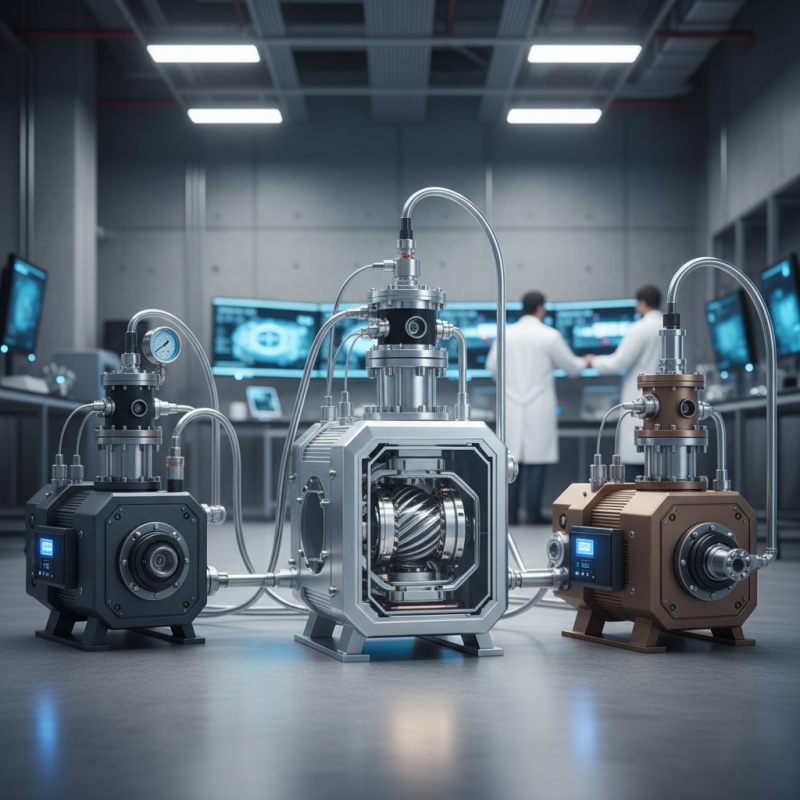
Top Roots Vacuum Pump Models for Global Buyers in 2026?
The Roots Vacuum Pump industry is evolving quickly. In 2026, many global buyers seek reliable models. These pumps play a crucial role in various applications, including industrial processes and scientific research.
Many factors contribute to the demand for Roots Vacuum Pumps. Buyers often prioritize efficiency, durability, and performance. Understanding these aspects can enhance purchasing decisions. Advanced technologies are emerging in pump designs, offering new capabilities. However, not every new model meets expectations.
Researching top models helps in making informed choices. Buyer experiences highlight both successes and failures. Brands with a proven track record tend to inspire confidence. This article examines leading Roots Vacuum Pump models. Each entry reflects real user feedback and expert insight. This approach aims to ensure reliability and relevance in the ever-changing market.
Overview of Roots Vacuum Pumps and Their Applications in 2026
Roots vacuum pumps are vital in various industries in 2026. They provide reliable solutions for creating low-pressure environments. These pumps are efficient and can handle high-volume gas flow with minimal contamination. Industries such as pharmaceuticals, food processing, and semiconductor manufacturing rely on these pumps for their operations.
The application of Roots vacuum pumps is diverse. They are essential in drying processes, packaging, and vacuum distillation. In the pharmaceutical sector, they ensure the integrity of sterile environments. In food processing, they enhance packaging efficiency and prolong shelf life. However, selecting the right pump model requires careful consideration of specific needs and operating conditions. Users often face challenges in maintenance, energy consumption, and optimizing performance.
There is a growing awareness of the environmental impact of vacuum pumps. Many users are now focusing on energy-efficient models. This shift reflects a broader trend toward sustainability in industrial practices. Future innovations may improve efficiency further. However, some challenges remain, such as high initial costs and the need for specialized knowledge to operate these systems effectively.
Key Features to Consider When Selecting Roots Vacuum Pumps
When selecting Roots vacuum pumps, multiple factors come into play. Key features include suction capacity, energy efficiency, and durability. Understanding these aspects can guide your decision-making.
Consider the environment where the pump will operate. Temperature and humidity levels impact performance. Choosing a pump that can handle extreme conditions might be crucial for specific applications. Evaluate the ease of maintenance. Some models require more frequent servicing than others. This can affect operational costs.
Tips: Always check the noise level data before purchasing. Quiet operation often leads to a more productive work environment. Performance specifications should match your exact needs.
Pay attention to the pump's materials. Corrosion-resistant materials enhance longevity. In industries with volatile substances, this is essential. Explore user reviews and case studies. They can expose common issues or highlight unexpected benefits. Remember, not all products meet expectations. Thoughtful investigation can save time and resources.
Top Roots Vacuum Pump Models for Various Industrial Sectors
In the industrial landscape, Roots vacuum pumps play a crucial role across various sectors, including chemical processing and semiconductor manufacturing. According to a recent market analysis, the global Roots vacuum pump market is projected to reach $1.2 billion by 2026, with significant growth driven by increasing automation and the need for efficient material handling.
Different industries require tailored vacuum solutions. For instance, the food packaging sector benefits from pumps that meet strict hygiene standards, while the pharmaceutical industry demands high reliability for sterile environments. Moreover, semiconductor production relies on pumps that can achieve low pressures and high throughput to support intricate fabrication processes.
**Tips:** When selecting a Roots vacuum pump, consider its energy efficiency. The right model can lower operational costs. Ensure compatibility with your production environment. Regular maintenance can extend lifespan and maintain performance. Not every model will suit your needs perfectly; consider your specific requirements and consult with experts in the field.
Top Roots Vacuum Pump Models for Global Buyers in 2026
| Model | Max Pumping Speed (m³/h) | Ultimate Vacuum (mbar) | Power Consumption (kW) | Weight (kg) | Applications |
| Model A | 250 | 0.5 | 3.5 | 150 | Semiconductor, Coating |
| Model B | 300 | 0.4 | 4.0 | 180 | Pharmaceutical, Food Processing |
| Model C | 200 | 0.6 | 2.5 | 130 | Packaging, Electronics |
| Model D | 400 | 0.3 | 5.0 | 200 | Chemical, Metal Processing |
| Model E | 220 | 0.55 | 3.0 | 160 | Energy, Waste Treatment |
Market Trends Influencing Roots Vacuum Pump Demand Globally
The global demand for Roots vacuum pumps is rising. Several market trends are shaping this growth. Industries are focusing on high efficiency and reduced energy consumption. Organizations aim to minimize operational costs while maximizing productivity.
Moreover, technological advancements play a big role. Enhanced designs and materials improve pump performance. Companies are exploring smart technology, allowing for better monitoring and control. Users can optimize their systems with real-time data. However, not all manufacturers keep pace with these innovations.
Sustainability is another important factor. Buyers increasingly prefer eco-friendly solutions. There is a push for pumps that reduce emissions and energy usage. Still, some manufacturers struggle to meet these evolving consumer preferences. Understanding these trends is vital for making informed purchasing decisions.
Comparative Analysis of Leading Brands in Roots Vacuum Technology
In the realm of Roots vacuum pumps, several models stand out for their advanced engineering and reliability. Buyers are increasingly looking for pumps that not only excel in performance but also offer durability. Leading brands in this space emphasize innovative design aspects to improve efficiency and reduce energy consumption. Users often notice that varied applications can push the limits of performance, highlighting the importance of choosing the right model.
Comparative analyses reveal differences in maintenance requirements and operational noise levels among top models. Some users report that certain pumps work quietly in environments demanding low noise. Yet, others point out that occasional mechanical issues may arise, necessitating regular check-ups. The balance between performance and reliability often becomes a crucial factor in the buying decision.
Global buyers should also consider service support and warranty terms, as these factors can significantly affect long-term satisfaction. While many leading brands offer impressive technology, the variability in customer support can lead to diverse experiences. Reflecting on these aspects can truly guide users in making informed decisions. Striking the right balance between innovation and user experience remains a challenge within this industry.
Top Roots Vacuum Pump Models for Global Buyers in 2026