Top 10 Relative Humidity Controllers for Your Needs?
Maintaining optimal humidity levels is crucial in various environments, from homes to industrial settings. A Relative Humidity Controller plays a pivotal role in achieving this balance. These devices monitor and adjust moisture levels, ensuring comfort and preserving sensitive materials.
When choosing the right controller, consider factors like accuracy, user-friendliness, and maintenance needs. Many options exist, but not all will fulfill your specific requirements. The perfect Relative Humidity Controller can enhance air quality and reduce health risks. Some products may excel in one area while falling short in others.
Reflections on efficiency and energy consumption are essential when selecting a model. Investing in the right technology can lead to significant long-term savings. Use this guide to discover top-rated controllers best suited to your needs. Let’s explore the options available and find the ideal solution together.
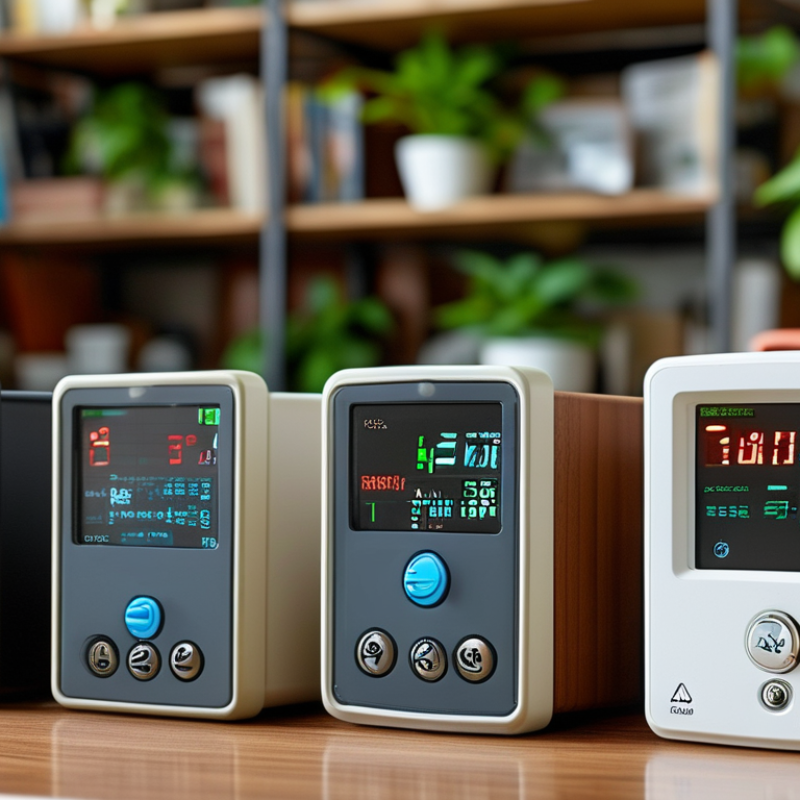
Understanding Relative Humidity and Its Importance in Home Management
Understanding relative humidity is essential for effective home management. It affects comfort, health, and even the integrity of your home. According to the Environmental Protection Agency, the ideal indoor humidity level should be between 30% and 50%. Levels above this can lead to issues, including mold growth and dust mites. These pests thrive in humidity levels above 50%, which can contribute to allergies and asthma.
Maintaining optimal humidity can improve energy efficiency. High humidity makes homes feel warmer, prompting increased air conditioning use. A study by the American Society of Heating, Refrigerating and Air-Conditioning Engineers found that properly controlled humidity can reduce energy consumption by up to 10%. This not only lowers bills but also contributes positively to environmental sustainability.
However, many homeowners overlook humidity control. Investing in a reliable humidity controller can prevent problems before they arise. Regular monitoring helps you adjust settings as needed. Awareness and proactive management can significantly improve your indoor environment. Balancing humidity may take trial and error, reflecting personal comfort preferences and home conditions.
Key Features to Look for in a Humidity Controller
When choosing a humidity controller, several key features are essential. A reliable humidity controller should have precise sensors for accurate readings. According to industry data, controllers with ±2% accuracy levels are crucial for maintaining comfort in both residential and commercial spaces. Devices that feature digital displays offer easier readability and can help users monitor changes quickly.
Another important feature is the ability to program humidity levels. Many consumers appreciate programmable settings that allow for different humidity levels throughout the day. This flexibility can lead to significant energy savings, as it aligns with lifestyle changes. Recent reports indicate that energy-efficient models can reduce electricity usage by up to 30%.
Consider the response time of the controller as well. A unit that adjusts quickly to fluctuating humidity levels can prevent issues like mold growth. In a recent study, homes with responsive humidity controls reported a 40% decrease in mold-related complaints. These figures indicate the value of investing in a good quality humidity controller that meets individual needs.
Top 10 Relative Humidity Controllers: Overview and Comparisons
Choosing the right relative humidity controller can be challenging. Many options exist. Each device aims to maintain optimal humidity levels. This is crucial for both comfort and health. Factors to consider include accuracy, ease of use, and durability.
Some controllers offer advanced features like digital displays and programmable settings. These can enhance user experience significantly. However, not everyone needs such complexity. Simplicity can be beneficial. The right controller should fit your specific needs without overwhelming you.
Installation and maintenance aspects are also essential. Some models require more effort to set up. User reviews often highlight these differences. Pay attention to feedback about reliability and performance over time. This helps identify which controllers stand the test of time. Remember, what works for one might not suit another. Always reflect on your requirements carefully.
User Reviews and Ratings: Feedback on Top Controllers
When exploring relative humidity controllers, user reviews offer invaluable insights. Many users highlight the significance of precise humidity control in various settings. Positive feedback often focuses on the effectiveness of specific features like digital displays and programmable settings. Negative comments usually revolve around the complexity of installation or operation. Most users appreciate straightforward devices that require minimal effort to set up.
Tips: Choose a model that matches your specific needs. Look for reviews that detail user experiences over different environments. This can inform your decision about which controller will perform best in your space.
Users frequently express concern over noise levels. Some controllers operate quietly, while others may disrupt your peace. Familiarize yourself with product specifications and read user feedback to gauge what may work best for you. Many reviews release both glowing ratings and critical notes about performance inconsistencies. It's wise to weigh this feedback before making your selection.
Maintenance Tips for Optimal Performance of Humidity Controllers
Proper maintenance of humidity controllers is essential for optimal performance. Regularly check the calibration settings. This helps ensure accuracy in readings. Dust and debris can accumulate over time. A clean sensor enhances sensitivity and response time.
Inspect the water reservoir routinely. An empty tank can lead to inaccurate humidity levels. If your controller has a filter, check it monthly. Replace or clean as needed to avoid airflow issues. Lack of airflow can hinder performance and lead to equipment strain.
Humidity controllers can show signs of wear. Listen for unusual noises or changes in operation. These indicators often signal potential problems. Also, keep an eye on the surrounding environment. High temperatures or dust can impact efficiency. Regularly assess these factors for better functionality.
Top 10 Relative Humidity Controllers for Your Needs: Maintenance Tips for Optimal Performance of Humidity Controllers
| Model | Measurement Range (%) | Accuracy (%) | Control Type | Power Supply (V) | Features |
| Model A | 10-90 | ±2 | On/Off | 220 | LCD Display, Wi-Fi, Data Logging |
| Model B | 20-80 | ±3 | PID | 110 | Mobile App Control, Multi-zone Control |
| Model C | 0-100 | ±1 | Analog | 220 | Compact Design, USB Port |
| Model D | 30-70 | ±2 | On/Off | 240 | Voice Control, LED Indicators |
| Model E | 15-85 | ±1.5 | PID | 220 | Touchscreen, Timer Function |
| Model F | 10-95 | ±2 | On/Off | 110 | Wireless Connectivity, Energy Saving Mode |
| Model G | 20-90 | ±3 | Analog | 240 | Data Storage, Notifications |
| Model H | 0-100 | ±2 | PID | 220 | Smart Features, Auto Calibration |
| Model I | 10-80 | ±1.5 | On/Off | 110 | Remote Access, Custom Alerts |
| Model J | 25-75 | ±3 | PID | 220 | LED Display, User-Friendly Interface |