Top Hydraulic Seal Types for Your Industrial Needs?
In the world of industrial machinery, the significance of a reliable Hydraulic Seal cannot be overstated. These seals play a crucial role in ensuring fluid containment, preventing leaks, and protecting components from wear. The right seal type can improve efficiency and longevity, saving costs in the long run.
Various Hydraulic Seal types are designed to meet diverse operational needs. Each type serves a unique purpose and offers different benefits. For example, O-rings are versatile, while piston seals excel in dynamic applications. However, selecting the appropriate seal often presents challenges. Misunderstanding seal specifications can lead to premature failures.
It's essential to consider factors like material compatibility, pressure, and temperature ranges. Knowledge in these areas enables optimal performance. Ultimately, understanding Hydraulic Seals empowers companies to make informed decisions, enhancing productivity and reliability.
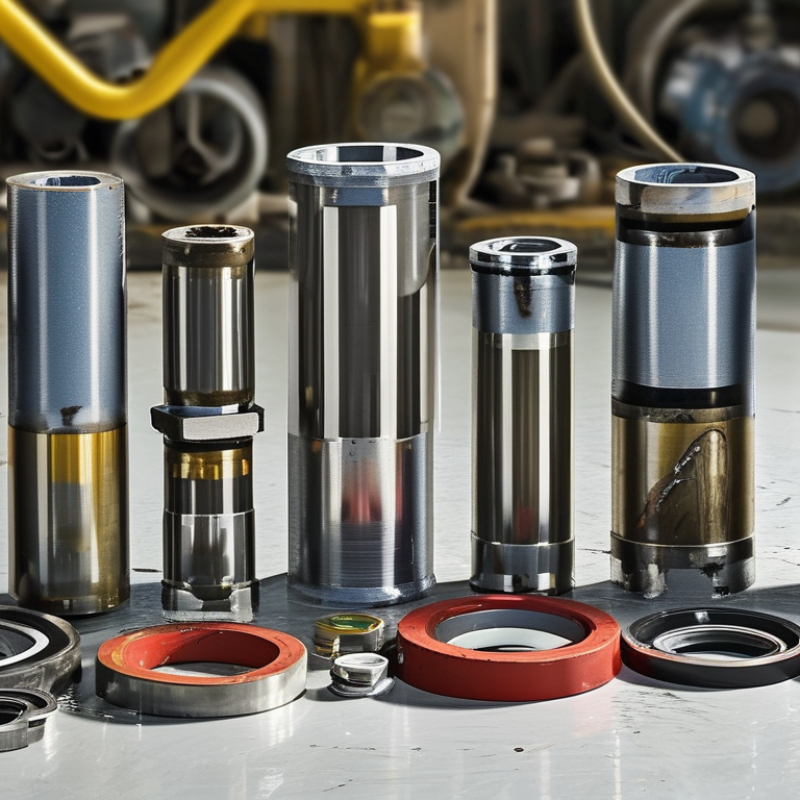
Overview of Hydraulic Seals and Their Importance in Industry
Hydraulic seals play a crucial role in various industrial applications. They are designed to prevent fluid leakage between moving components. These seals ensure the efficient operation of hydraulic systems. Their importance cannot be overstated, as even minor leaks can lead to significant performance issues.
In hydraulic machinery, seals endure high pressure and extreme temperatures. This makes the selection of the right seal type essential. For instance, lip seals are effective in reducing friction and wear. O-rings provide tight seals in static and dynamic applications. Each seal type has its unique advantages, but also limitations. It's critical to analyze the specific requirements of your system for optimal performance.
However, choosing the right hydraulic seal involves understanding the application environment. Factors like pressure, temperature, and fluid compatibility should be considered. Some seals may fail sooner than expected due to these variables. Regular maintenance and inspections can reveal underlying issues before they escalate. This proactive approach can enhance system reliability and productivity in the long run.
Common Types of Hydraulic Seals and Their Applications
Hydraulic seals play a crucial role in various industrial applications. They help maintain pressure and prevent fluid leakage in hydraulic systems. Understanding their types is key for optimal performance. Common types of hydraulic seals include O-rings, piston seals, and rod seals. Each serves a specific function and fits unique applications.
O-rings are versatile and widely used. They can handle both static and dynamic sealing. Piston seals are designed for high-pressure applications, ensuring minimal fluid loss during operation. Rod seals, on the other hand, are crucial for preventing leakage on the rod's surface. Choosing the right seal type affects system efficiency and lifespan.
When selecting seals, consider operating conditions like temperature and pressure. Proper installation is equally important. A poorly installed seal can lead to leaks and system failure. Regular maintenance checks can also help spot issues early. This minimizes downtime and costly repairs. Understanding these nuances will enhance your hydraulic system's reliability.
Top Hydraulic Seal Types for Your Industrial Needs
| Seal Type | Material | Application | Pressure Rating | Temperature Range |
| U-Cup Seals | Nitrile | Hydraulic cylinders | Up to 5000 psi | -40°F to 250°F |
| O-Rings | Viton | Pumps and valves | Up to 3000 psi | -15°F to 400°F |
| Rod Seals | Polyurethane | Hydraulic rods | Up to 6000 psi | -40°F to 230°F |
| Backup Rings | PTFE | High-pressure applications | N/A | -320°F to 500°F |
| Flat Seals | Rubber | Hoses and fittings | Up to 1500 psi | -30°F to 230°F |
Material Considerations for Choosing Hydraulic Seals
When selecting hydraulic seals, material choice is crucial for optimal performance. The seal’s material impacts its durability, resistance to wear, and compatibility with fluids. According to industry data, Nitrile rubber is one of the most widely used materials for hydraulic seals, providing excellent resistance to oil and fuel at temperatures up to 100°C. However, it may not withstand high temperatures and aggressive chemicals effectively.
For applications requiring broader temperature ranges, Fluoroelastomers are favored, showing remarkable performance up to 200°C. However, these materials are usually more expensive and may not be suitable for all operations. Additionally, Thermoplastic elastomers offer flexibility and resistance to abrasion. They are becoming increasingly popular in many hydraulic applications, as they can handle varying pressures and environments.
Choosing the right material involves balancing performance and cost. Not every seal will perform optimally in every situation. It is essential to conduct thorough assessments of the operational environment and fluid compatibility. Industry reports suggest that improper material selection accounts for up to 30% of hydraulic failures. Thus, understanding these nuances is vital to ensure lasting performance and reliability in hydraulic systems.
Factors Affecting the Performance of Hydraulic Seals
Hydraulic seals are critical in various industrial applications. Their performance is influenced by several key factors. Temperature is one major factor. Seals must withstand high pressures and variable temperatures. According to industry data, most hydraulic seals function optimally between -20°C and 100°C. Exceeding this range can lead to premature failure.
Another important factor is the material used in the seals. The choice of material impacts durability and compatibility with different fluids. For instance, nitrile rubber is effective in oil applications but may not perform well with certain water-based fluids. According to reports, nearly 30% of seal failures are linked to the incorrect material choice.
Lubrication also affects seal performance. Adequate lubrication should prevent wear and reduce friction. However, excessive lubrication can lead to leakage. The balance between these aspects is crucial. Inadequate pressure maintenance can further compromise seal integrity. Monitoring these performance factors is essential for the longevity of hydraulic systems.
Top Hydraulic Seal Types for Your Industrial Needs
Maintenance Tips for Prolonging the Life of Hydraulic Seals
Hydraulic seals play a critical role in various industrial applications. Proper maintenance can significantly enhance their lifespan and efficiency. Regular inspection is a key practice. Look for signs of wear, such as surface scratches or deformation. These issues can lead to leakage, impacting system performance. Timely identification can save costs in the long run.
Another important aspect is lubrication. Using the right lubricant reduces friction and wear on seals. Make sure to follow manufacturer guidelines. Yet, over-lubricating can cause seal failure. Balance is essential. Regularly clean the environment around hydraulic components. Dust and debris can accelerate wear and lead to failures.
Training staff to recognize the signs of seal damage is beneficial. Observing subtle changes can prevent bigger problems. Utilize performance monitors to track seal conditions. These measures contribute to operational efficiency and minimize unexpected downtime. Continuous learning about best practices should always be a goal. This approach fosters a more sustainable and productive industrial environment.