Top Flip Screen Innovations of 2026 What Buyers Need to Know
As we approach the innovations in the Flip Screen industry for 2026, it's essential to understand the latest advancements. According to David Chen, a leading expert in display technologies, "Flip Screens are redefining our interaction with devices." This innovation promises not just versatility but also enhanced user experience in various applications.
The Flip Screen market is rapidly evolving. Manufacturers are designing screens that can bend, rotate, and transform in ways we never thought possible. This flexibility can significantly improve usability in both personal and professional settings. Yet, these advancements come with challenges. Durability and screen quality remain areas where some models falter. Potential buyers should carefully evaluate these factors before making a purchase.
Consumers must also consider the impact of these innovations on their daily lives. While many flip screen devices promise convenience, there are nuances to assess. Not all flip screens meet the same quality standards. Buyers should seek reputable brands and stay informed about the latest specifications and user reviews. Only then can they fully appreciate what the Flip Screen revolution has to offer.
Top Flip Screen Innovations of 2026: Key Features Revolutionizing Design
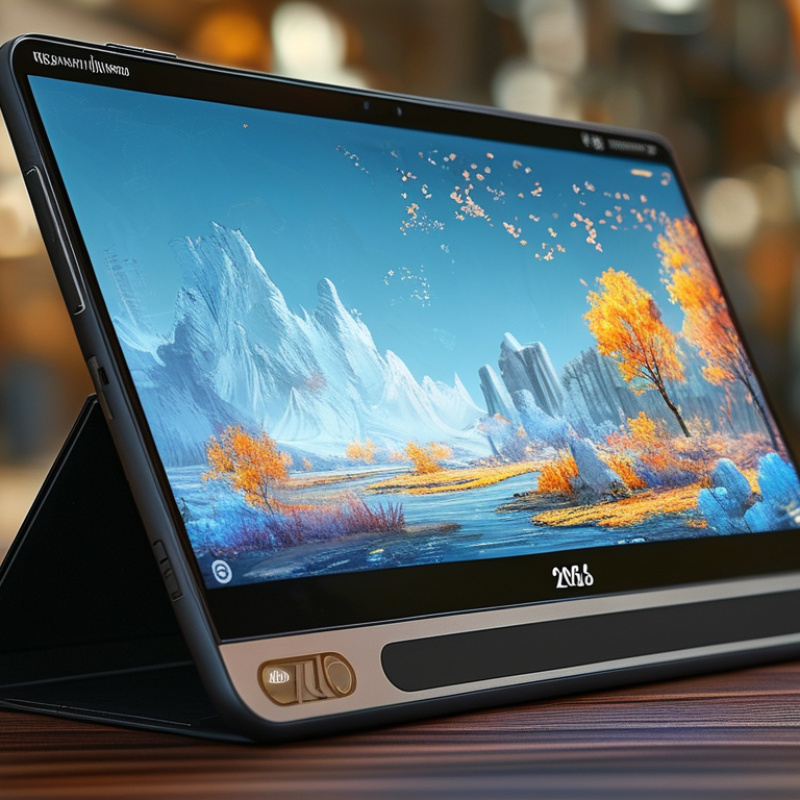
The flip screen innovation landscape in 2026 is truly transformative. One standout feature is the adaptable hinge design. This allows screens to rotate and fold seamlessly, enhancing usability. Users can enjoy a tablet experience or switch to a traditional laptop layout with ease. This versatility caters to various preferences and working environments.
Another exciting advancement is the integration of flexible displays. These screens can be bent and curved without sacrificing quality. The result is a lightweight device that combines style and practicality. However, some users report concerns about durability. Continuous bending may reduce the lifespan of such screens. It’s essential to consider how often you plan to use this feature.
When choosing a flip screen device, think about how you’ll use it. Consider the types of tasks you perform daily. Do you need portability or enhanced productivity? Finding the right balance can significantly affect user satisfaction. Explore options that align with your preferred workflow. Testing devices in-store might reveal differences not obvious online. Proper research can prevent costly missteps.
Market Analysis: Projected Growth of Flip Screen Devices by 20% in 2026
The flip screen market is anticipated to grow by 20% in 2026. This projection stems from rising consumer demand for versatile devices. A report from a leading tech research firm highlights that the increasing need for compact and multifunctional tools drives this trend. Flip screens offer solutions for mobility and flexibility, making them highly appealing to users.
Industry experts note that the integration of innovative technology will further enhance flip screen devices. Advanced hinge mechanisms enable smoother operation and increased durability. Moreover, emerging materials are making screens thinner and lighter. However, some designs face challenges in terms of screen resilience and hinge wear over time. Buyers should be cautious about these factors when considering their options.
Market analysis indicates a shift in consumer behavior. Users prioritize not just functionality, but also user experience. Reports suggest that companies must focus on seamless integration with other devices. It is vital for manufacturers to address sustainability concerns as well. Environmentally friendly production processes will play a crucial role in buyer decisions. The success of flip screen devices hinges on balancing innovation with reliability.
Top Flip Screen Innovations of 2026
| Feature | 2024 Estimate (%) | 2025 Estimate (%) | 2026 Projected Growth (%) |
| Touch Screen Sensitivity | 75% | 80% | 88% |
| Battery Life | 10 hours | 12 hours | 15 hours |
| Weight Reduction | 1.5 kg | 1.2 kg | 1 kg |
| Screen Resolution | 1920 x 1080 | 2560 x 1440 | 3840 x 2160 |
| Durability Rating | IP54 | IP67 | IP68 |
User Experience Enhancements: Ergonomics and Usability Trends in Flip Screens
Flip screens have come a long way, and user experience is at the forefront of innovations in 2026. These devices focus on ergonomics and usability, refining how we interact with technology. Lightweight materials cater to portability, while touch-responsive surfaces enhance user engagement. A seamless transition from tablet to laptop mode allows for versatility, meeting diverse needs.
Ergonomics plays a vital role in design. Adjustable angles can prevent neck strain during prolonged use. Some models even allow for split screen features, which can improve productivity. Users appreciate smaller bezels, as they maximize the display area. Intuitive software integration is crucial; it should feel natural, not cumbersome. Yet, some users report that adaptive layouts can be inconsistent.
Usability extends beyond tactile features. Voice commands are becoming more common, yet they aren’t perfect. Misunderstandings still occur, prompting the need for clear guidance. Furthermore, battery life remains an area for improvement. Heavy use can drain power quickly, leading to frustration. Overall, while 2026 brings exciting innovations, it's essential to reflect on these aspects for a better user experience.
Emerging Technologies: Foldable Displays and Their Impact on Consumer Demand
The rise of foldable displays is shaping consumer demand in 2026. A recent report from Display Supply Chain Consultants highlights that the foldable display market is projected to reach $17 billion by 2026. This growth reflects a shift in consumer preferences towards more versatile devices. Users are seeking products that combine functionality with portability. Foldable screens fulfill this need, allowing for increased screen real estate in compact forms.
Key demographics are driving this trend. Younger consumers, particularly Gen Z, exhibit a strong interest in innovative tech. This group values aesthetics and multifunctionality. According to a survey from Tech Research Group, 78% of respondents aged 18-34 find foldable smartphones appealing. However, challenges remain. The longevity and durability of these devices are under scrutiny. Many users report concerns about screen fragility and hinge reliability. Critics argue that while innovation is exciting, it must also be practical.
As foldable technology develops, it influences buyer behavior. Consumers prioritize quality and value. Users desire devices that enhance their daily lives, not complicate them. The industry must address these concerns while continuing to push boundaries. How manufacturers respond to these issues will shape the future landscape of foldable displays.
Sustainability in Flip Screen Manufacturing: Eco-Friendly Innovations Explored
As the demand for flip screen technology rises, so does the need for sustainable practices in manufacturing. Flip screens are becoming increasingly popular among consumers who value versatility and design in their devices. However, the production process often contributes to environmental degradation. The good news is that innovative approaches are emerging to address these concerns.
Eco-friendly materials are now being used in screen production, reducing the environmental footprint. Biodegradable plastics and recycled metals are gaining traction. These materials not only minimize waste but also help conserve natural resources. Furthermore, energy-efficient manufacturing techniques are being adopted to lower carbon emissions during production. This shift is crucial, as traditional manufacturing methods typically consume substantial energy resources.
Nonetheless, the journey toward full sustainability is not without challenges. Many manufacturers struggle to balance cost and eco-friendliness. Sometimes, cheaper, less sustainable materials are still prevalent. Consumers may face difficulties in distinguishing truly green products from those that are merely marketed that way. Education and transparency in the industry are essential to guide buyers in making responsible choices. As 2026 approaches, these eco-friendly innovations will reshape the landscape of flip screen technology, pushing both consumers and manufacturers towards a more sustainable future.