Top Flexible Metal Hoses for Global Buyers in 2026?
As industries evolve, the demand for Flexible Metal Hoses continues to rise globally. These hoses are essential for various applications due to their durability and flexibility. In 2026, buyers will look for solutions that integrate reliability with performance. Manufacturers are constantly innovating to meet these needs.
Flexible Metal Hoses are widely used in sectors like oil and gas, pharmaceuticals, and food processing. Their resistance to heat and pressure makes them invaluable. However, selecting the right hose can be challenging. Factors such as material, size, and application specifics are crucial. Buyers must navigate these details carefully.
Despite the advancements, some challenges persist. Quality control remains a concern, with variations in standards across manufacturers. This inconsistency can lead to performance issues. Buyers will benefit from thorough research and comparisons to make informed choices. With the right information, industries can harness the full potential of Flexible Metal Hoses, ensuring both safety and efficiency in their operations.
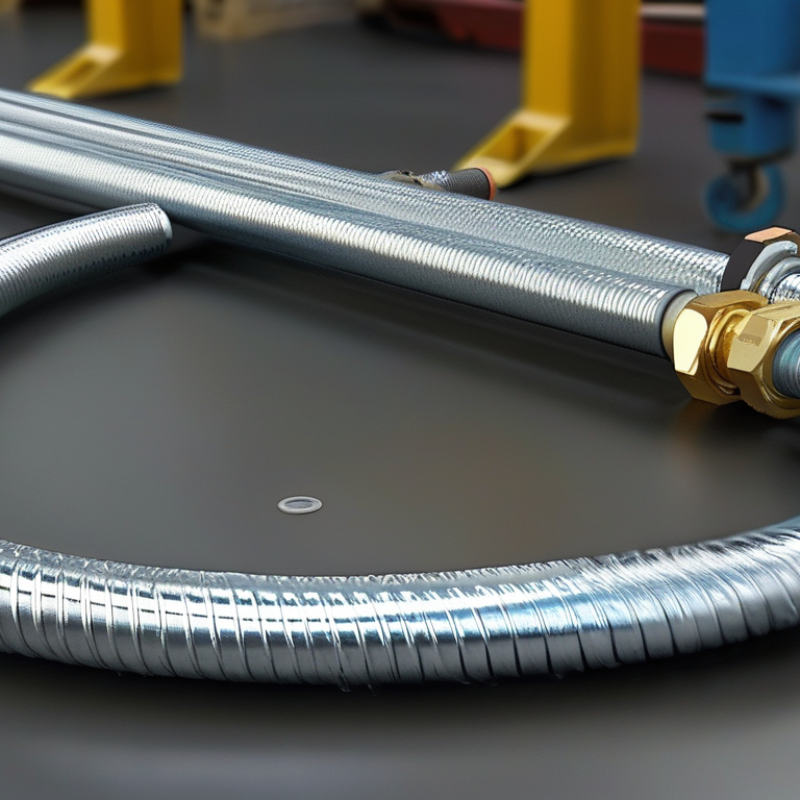
Overview of Flexible Metal Hoses: Definition and Applications
Flexible metal hoses are essential components in various industries. They provide flexible connections for fluids and gases in critical applications. Key industries include aerospace, food and beverage, and pharmaceuticals. These hoses can withstand extreme temperatures and pressures. In 2020, the global flexible metal hose market was valued at approximately $2 billion. It is expected to grow significantly, driven by demand for high-performance solutions.
The versatility of flexible metal hoses makes them suitable for many applications. They are often used in environments where vibration occurs, preventing damage. For instance, the aerospace sector relies on these hoses for fuel and hydraulic systems. In pharmaceuticals, they ensure contamination-free transport of liquids. According to industry reports, the adoption of flexible metal hoses is increasing by around 6% annually.
The manufacturing process of these hoses involves materials such as stainless steel and alloy. This ensures durability and resistance to corrosion. However, not all hoses are created equal. Quality control during production is vital to ensure safety and reliability. Some flexible metal hoses may not meet the required standards, leading to failures in critical systems. Ensuring compliance with industry standards is crucial for manufacturers.
Top Flexible Metal Hoses for Global Buyers in 2026
| Type | Material | Temperature Range (°C) | Pressure Rating (Bar) | Application |
| Metal Braided Hose | Stainless Steel | -196 to 600 | 20 | Oil & Gas Industry |
| Corrugated Hose | Monel | -40 to 150 | 30 | Chemical Processing |
| Metal Expansion Joint | Carbon Steel | -50 to 400 | 25 | Heating Systems |
| Flexible Metal Hose | Nickel Alloy | -250 to 700 | 35 | Aerospace |
| Turbocharger Hose | Stainless Steel | -40 to 200 | 40 | Automotive |
Key Features to Consider When Selecting Flexible Metal Hoses
When selecting flexible metal hoses, several key features should be considered. One critical aspect is the material composition. Stainless steel is widely used due to its strength and resistance to corrosion. According to industry reports, hoses made from 316 stainless steel offer the best durability in harsh environments. However, the cost of such materials can be high.
Joint flexibility is another important factor. A hose that can bend easily allows for better installation in tight spaces. Yet, excessive flexibility may lead to kinks or damage under pressure. A balance must be struck to ensure longevity while accommodating facility layouts. Manufacturers often recommend checking the bend radius based on the specific application.
Pressure ratings are crucial. In many industrial sectors, hoses must withstand high pressures. Data shows that improperly rated hoses can fail, leading to costly downtime. Users must verify the hose ratings against operating conditions. This simple step can prevent severe consequences. Additionally, ensure fittings and connections are compatible and reliable. Compatibility issues can undermine system integrity.
Top Manufacturers of Flexible Metal Hoses in the Global Market
As the demand for flexible metal hoses rises, global manufacturers focus on innovation and quality. The expected market growth is significant, with a projected CAGR of 5.7% from 2023 to 2026. This growth is driven by increased industrial applications and the need for efficient fluid transfer systems.
Key industry players emphasize advanced materials. They utilize stainless steel, PTFE, and other composites. These materials enhance durability and resistance to extreme temperatures and pressures. Research indicates that 70% of flexible metal hoses used today meet stringent industry standards. This statistic highlights the importance of quality assurance in manufacturing.
While the market shows promise, challenges remain. Manufacturers face supply chain disruptions and fluctuating raw material costs. These factors can hinder production schedules and affect pricing strategies. Continuous investment in R&D is essential for overcoming these hurdles. Developing innovative solutions will enhance not just performance but also market competitiveness.
Emerging Trends in Flexible Metal Hose Technology for 2026
In 2026, flexible metal hoses are essential in various industries. These hoses adapt to vibrations and thermal expansion, making them vital for numerous applications. The emergence of new materials and manufacturing techniques is transforming the market. Lightweight alloys and advanced coatings will enhance durability and performance.
One significant trend is the increasing demand for high-pressure flexible metal hoses. These hoses are crucial in sectors like aerospace and energy. Despite advancements, challenges persist. Manufacturers must ensure product reliability while addressing environmental concerns. This balance is not always easy to achieve.
Innovation in hose design is also notable. The introduction of anti-corrosion materials can extend the lifespan of hoses in harsh environments. However, this technology may be costly initially. Buyers will need to weigh long-term benefits against these upfront expenses. Overall, the future of flexible metal hoses appears promising, yet demands careful consideration of emerging technologies and market dynamics.
Market Analysis: Forecast for Flexible Metal Hoses Demand and Supply
The flexible metal hose market is poised for significant growth in 2026. Demand is driven by increasing applications across various industries, including automotive, oil and gas, and chemical processing. According to a recent report by Research and Markets, the global flexible metal hose market is expected to grow at a CAGR of 5.8% from 2021 to 2026. This growth indicates a strong need for reliable and robust solutions in fluid handling.
Supply dynamics are being influenced by material innovations and manufacturing techniques. Stainless steel remains a popular choice due to its durability and resistance to corrosive environments. However, fluctuations in raw material costs create challenges for manufacturers. A notable trend is the shift towards more sustainable and eco-friendly materials. Yet, many manufacturers grapple with the transition costs. As firms adapt, balancing cost efficiency and sustainability will be key.
The market landscape is also affected by regulations and safety standards. Companies must navigate these complex requirements while ensuring product quality. In regions like North America and Europe, strict compliance standards drive innovation. Nonetheless, this can lead to a fragmented market, where some players struggle to meet these demands. Ultimately, understanding these nuances is crucial for stakeholders aiming to capitalize on the expanding flexible metal hose market.