Top 10 Fire Resistant Black Rock Wool Suppliers in China?
In the evolving landscape of construction materials, "Fire-Resistant Black Rock Wool" stands out due to its exceptional properties. As an industry expert, Dr. Emily Chen highlights, "The resilience of black rock wool against extreme heat provides not just safety but also peace of mind." This material has grown popular for its effectiveness in minimizing fire hazards, particularly in commercial and residential spaces.
China hosts numerous suppliers specializing in this innovative product. They represent a crucial segment in fire safety solutions. Companies are vying for leadership in this increasingly competitive market. Some offer advanced technology and superior production methods. However, navigating this landscape can be challenging. Quality and reliability vary significantly among suppliers.
When selecting a supplier, it's essential to consider various factors. Look beyond just the price. Evaluate their expertise, resource availability, and past performance. Engaging with suppliers who prioritize innovation and sustainable practices can lead to better long-term partnerships. Fire-resistant black rock wool is not just a product; it represents a commitment to safety and quality in construction.
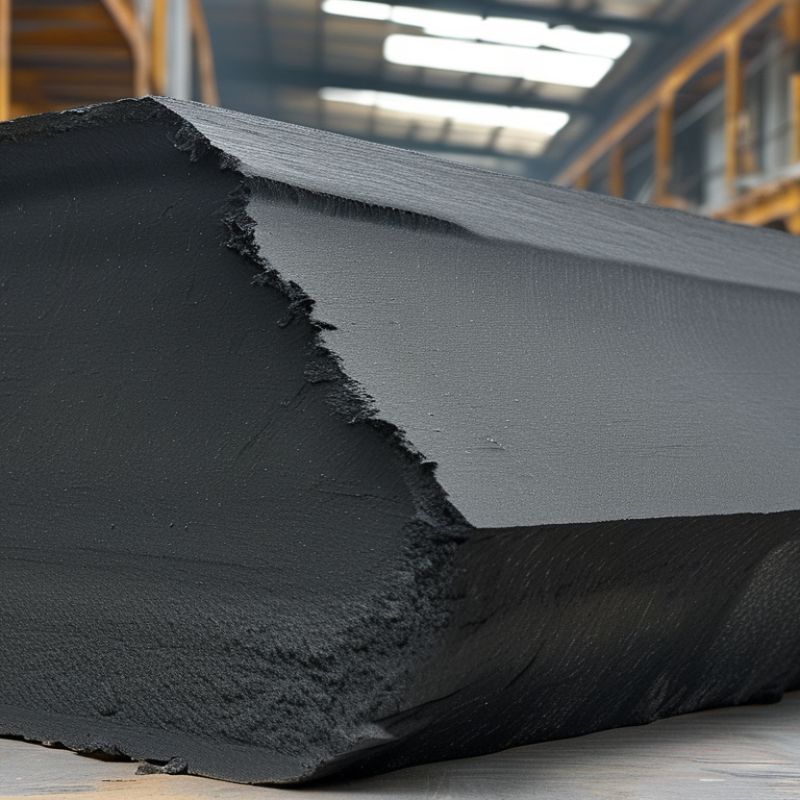
Overview of Fire Resistant Black Rock Wool and Its Applications
Fire resistant black rock wool is an essential material in modern construction. Known for its excellent thermal and acoustic insulation properties, it plays a crucial role in enhancing fire safety. According to the International Code Council, fire-resistant materials like rock wool contribute significantly to building safety, reducing potential fire hazards.
This material is used extensively in residential and commercial buildings. Rock wool achieves high fire resistance ratings, making it suitable for areas requiring strict compliance. A study by the National Fire Protection Association found that buildings using fire-resistant insulation can see a lower rate of fire damage compared to those that do not.
Tip: When selecting fire-resistant materials, consider the specific application to ensure optimal performance.
However, it’s important to evaluate quality. Not all rock wool is created equal. Some may vary in density and insulation properties, affecting performance. Inconsistent manufacturing processes can lead to variations in quality.
Tip: Always check for certifications to ensure reliability.
Investing in high-quality fire-resistant black rock wool can make a significant difference in overall safety and energy efficiency. Its applications are not limited to walls; it is also effective in ceilings and floors, showcasing its versatility.
Criteria for Selecting Top Suppliers of Black Rock Wool in China
When selecting top suppliers of black rock wool in China, certain criteria are crucial. Assessing the fire resistance of products is vital. According to a recent report by the Chinese Building Materials Federation, black rock wool can withstand temperatures exceeding 1000°C. This feature is essential for applications in construction and industrial settings.
Quality certifications are another important factor in supplier selection. Reliable suppliers often hold ISO certifications and comply with national and international standards. Furthermore, the supplier's production capacity matters. A study by the China Insulation Materials Association indicates that suppliers capable of producing over 10,000 tons annually are more consistent in quality and supply.
Additionally, evaluating customer service and support is key. Suppliers should offer technical assistance and responsive communication. Feedback from existing clients can provide insights into the supplier’s reliability. It’s also worth considering the geographical location of suppliers. Those situated in manufacturing hubs often have better logistics. However, shipping costs for remote suppliers may raise overall expenses unexpectedly. These elements should not be overlooked while making informed decisions.
List of Top 10 Fire Resistant Black Rock Wool Suppliers in China
When considering fire-resistant materials, black rock wool stands out for its thermal insulation and fire safety properties. This mineral wool is made from natural basalt rock and offers excellent fire resistance. According to recent industry reports, rock wool can withstand temperatures exceeding 1000°C, making it a preferred choice for construction projects requiring enhanced fire protection.
Numerous suppliers in China specialize in black rock wool, providing diverse options for commercial and residential use. Choosing the right supplier is crucial. It's essential to assess their certifications and production standards. Quality black rock wool should meet international fire safety standards, such as ASTM E84. This ensures it performs well in both insulation and fire resistance.
Tip: Always request sample products before large orders. This helps verify that the materials meet your fire safety and quality requirements. It's wise to scrutinize a supplier's quality control measures carefully, as inconsistencies can lead to safety risks. Remember, not all suppliers are created equal. Evaluate their track record and consult industry reviews for insights.
Top 10 Fire Resistant Black Rock Wool Suppliers in China
| Rank | Supplier Name | Location | Annual Production (tons) | Certification | Contact Information |
| 1 | Supplier A | Beijing | 100,000 | ISO 9001 | sale@evergreenmachine.com |
| 2 | Supplier B | Shanghai | 150,000 | CE | sale@evergreenmachine.com |
| 3 | Supplier C | Guangzhou | 120,000 | UL | sale@evergreenmachine.com |
| 4 | Supplier D | Shenzhen | 80,000 | ISO 14001 | sale@evergreenmachine.com |
| 5 | Supplier E | Hangzhou | 200,000 | GB/T 19001 | sale@evergreenmachine.com |
| 6 | Supplier F | Nanjing | 160,000 | ASTM | sale@evergreenmachine.com |
| 7 | Supplier G | Wuhan | 90,000 | ISO 45001 | sale@evergreenmachine.com |
| 8 | Supplier H | Chengdu | 110,000 | BREEAM | sale@evergreenmachine.com |
| 9 | Supplier I | Xi'an | 130,000 | LEED | sale@evergreenmachine.com |
| 10 | Supplier J | Tianjin | 140,000 | JIS | sale@evergreenmachine.com |
Comparison of Product Offerings and Features among Suppliers
When exploring fire-resistant black rock wool suppliers in China, the variety of product features stands out. Manufacturers often emphasize thermal resistance and sound absorption capabilities. The most effective products can withstand extreme temperatures. Such properties make them ideal for various applications in construction and insulation.
Different suppliers may offer varying densities and thicknesses of rock wool. It's essential to compare these options based on specific project needs. Some products are designed for easier installation, while others focus on enhanced durability. Additionally, environmental considerations, like recyclability and eco-friendliness of materials, are becoming increasingly important.
While many suppliers boast impressive specifications, it's vital to investigate further. Not all products may perform as advertised. Customer feedback can reveal potential shortcomings. Testing methods and compliance with safety standards should also be carefully reviewed. This will help ensure that the chosen supplier delivers reliable and effective fire-resistant solutions.
Industry Trends and Innovations in Black Rock Wool Manufacturing
The black rock wool manufacturing industry is witnessing significant innovations and trends. Recent reports show that the demand for fire-resistant materials is growing due to stricter building regulations and safety standards. In 2022, the global market for rock wool was valued at approximately $6 billion, with expectations to reach $9 billion by 2028 as construction projects increase. Fire resistance remains a key selling point for manufacturers, driving them to invest in advanced production technologies.
Innovative techniques are emerging to enhance the fire-resistant properties of black rock wool. For example, using mineral additives can improve performance under high temperatures, offering better insulation while reducing flammability. The introduction of automated processes in manufacturing has further increased efficiency. This trend allows companies to produce higher volumes quickly while maintaining high-quality standards. However, some struggle to balance cost and quality, creating a gap in market offerings.
Sustainability is also becoming integral to the industry. Manufacturers are exploring ways to incorporate recycled materials in production, reflecting consumer demands for eco-friendly solutions. This shift poses challenges, as maintaining performance while ensuring environmental compliance is complicated. Many suppliers face pressure to innovate but are not always equipped to adapt quickly to changing market demands. Hence, the landscape remains dynamic and requires constant reflection and adaptation.