Top 5 Electric Transfer Carts for Efficient Material Handling?
In the dynamic world of material handling, efficiency is key. The Electric Transfer Cart has emerged as a game-changer in this field. These versatile carts are designed to transport heavy loads effortlessly across various terrains. They not only improve productivity but also enhance safety in industrial settings.
Unlike traditional methods, Electric Transfer Carts offer significant advantages. They reduce human effort and minimize accidents. However, selecting the right cart can be overwhelming. Each model offers unique features and capacities tailored for specific needs. It's essential to understand these differences to maximize their benefits.
Understanding your specific requirements can lead to more effective choices. Even with reputable options, issues may arise. Maintenance can be a challenge, and choosing the wrong model can impact productivity. Therefore, it’s crucial to continually assess your material handling needs. The landscape of Electric Transfer Carts will keep evolving, and so should your strategies.
Overview of Electric Transfer Carts in Material Handling
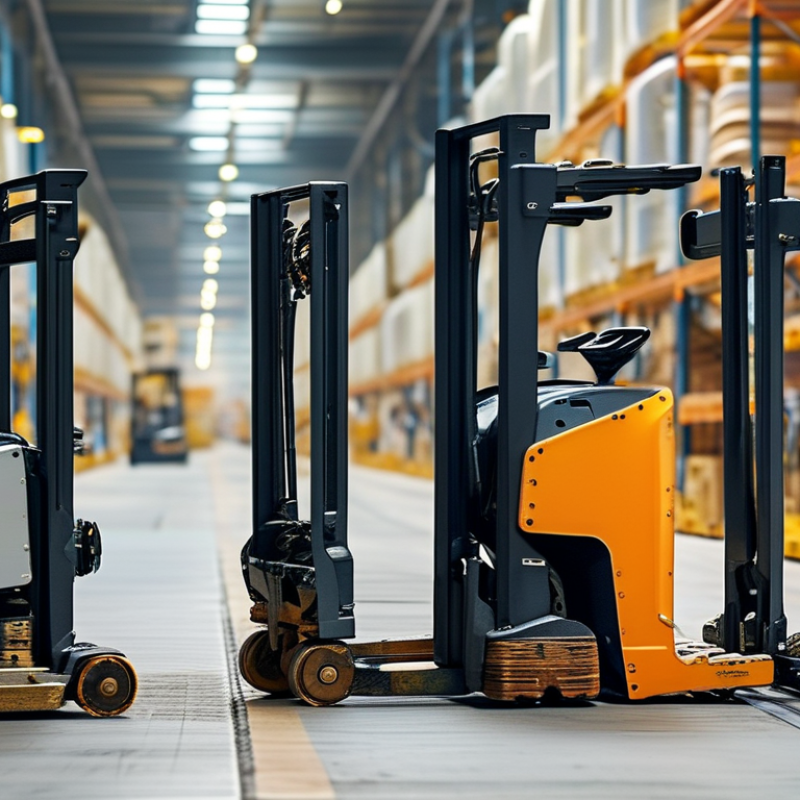
Electric transfer carts are becoming essential tools in material handling, transforming how industries manage logistics. These carts provide efficient transportation of heavy materials over various distances. Unlike traditional forklifts, electric transfer carts require less space and reduce the risk of accidents in busy environments. Their design typically includes durable materials, ensuring long-lasting use across different industries.
Efficiency is crucial when selecting the right electric transfer cart. Factors such as weight capacity, battery life, and maneuverability should be considered. A cart that can carry heavy loads for extended periods is vital for productivity. Additionally, features like remote control can enhance usability, although they may complicate maintenance. Users often find navigating busy warehouses can be challenging, requiring an adaptable solution that can fit through tight spaces.
Despite their advantages, electric transfer carts are not without limitations. They require regular charging, which may interrupt workflows. Maintenance checks are also necessary to ensure reliability, especially in high-demand settings. Users should reflect on their specific needs and the potential trade-offs involved in adopting this technology. Selecting the ideal cart involves weighing these factors meticulously.
Benefits of Using Electric Transfer Carts for Efficiency
Electric transfer carts are revolutionizing material handling across various industries. They provide a reliable and efficient solution for transporting heavy loads. With the rise of automation, these carts reduce the need for manual labor, ensuring safety and productivity. Imagine a warehouse where items are moved seamlessly from one location to another. This efficiency can significantly enhance workflow and reduce operational costs.
Another major benefit is the ergonomic design of electric transfer carts. They lessen the physical strain on workers, which can lead to fewer injuries. The ease of use allows for quick loading and unloading, saving time and improving job satisfaction. However, not every workplace is ready to transition smoothly. Some organizations may face challenges related to worker training and equipment maintenance. Overcoming these hurdles is essential for maximizing benefits.
Moreover, electric transfer carts are environmentally friendly. They produce less noise and eliminate harmful emissions compared to traditional gas-powered options. This aspect is increasingly important in today's eco-conscious world. Nevertheless, companies must evaluate the initial investment against long-term savings. Engaging with all stakeholders is crucial to ensure everyone understands the potential impact on efficiency and safety.
Top 5 Electric Transfer Carts for Efficient Material Handling
| Model | Load Capacity (lbs) | Battery Type | Operating Time (hours) | Speed (mph) | Features |
| Model A | 5000 | Lead-acid | 8 | 4 | Remote control, safety features |
| Model B | 6000 | Lithium-ion | 10 | 5 | Ergonomic design, fast charging |
| Model C | 7000 | Gel | 6 | 3 | Multi-directional travel, customizable |
| Model D | 8000 | Lithium-ion | 12 | 6 | Heavy-duty, high traction |
| Model E | 9000 | Lead-acid | 8 | 4 | Robust construction, easy maneuverability |
Top Features to Consider When Selecting Electric Transfer Carts
When selecting electric transfer carts, several key features can greatly enhance efficiency in material handling. Load capacity stands out as a top priority. Data indicates that carts with a load capacity of over 5,000 pounds are more suitable for heavy industrial applications. This ensures safe and efficient movement of large materials.
Battery life and charging time also play critical roles. Many users report that electric transfer carts with lithium-ion batteries offer longer life and shorter charging periods. In fact, reports suggest that these models can reduce downtime by up to 30%. This improvement in productivity allows companies to streamline operations effectively.
Moreover, maneuverability can significantly impact performance. Carts with a tight turning radius make navigating confined spaces much easier. According to one industry study, businesses that prioritize cart design tend to see a boost in operational efficiency by nearly 25%. However, brands often overlook the importance of ergonomic design, which can lead to operator fatigue over time. These considerations are essential for ensuring sustained productivity and safety.
In-Depth Review of the Top 5 Electric Transfer Carts
Electric transfer carts are revolutionizing material handling. They offer efficient solutions for transporting heavy loads across facilities. These carts come with robust designs and electric drives, making them ideal for a range of industries. With advanced technology, they improve productivity and reduce manual labor requirements.
When selecting an electric transfer cart, consider factors like load capacity and terrain adaptability. Some models excel on smooth surfaces, while others have features for uneven terrain. It's essential to assess your specific needs. User experiences reveal that not all carts perform equally under various conditions. Some users reported limited battery life during extended use, highlighting the importance of reliable power management.
Customization options are available, but not all suppliers provide extensive choices. Certain carts may lack specific features that enhance usability. Maintaining these carts can also be a challenge; proper training on operation and maintenance is crucial. Many users appreciate the enhanced safety features, but there are always areas for improvement. Gathering feedback from users can lead to better designs and greater satisfaction in the long run.
Comparative Analysis of Pricing and Specifications for Electric Transfer Carts
When evaluating electric transfer carts, pricing plays a pivotal role for businesses. According to recent industry reports, the cost of electric transfer carts typically ranges from $3,000 to $10,000. Factors like capacity, battery life, and design significantly influence these price points. For instance, carts designed for heavier loads tend to have higher prices due to reinforced materials. This dynamic emphasizes the importance of aligning cart specifications with operational needs to ensure a return on investment.
The specifications of electric transfer carts can vary widely. Common features include load capacities from 1,000 to 10,000 pounds and battery ranges extending from 6 to 12 hours. The average charging time is around 8 hours, a critical consideration for warehouse efficiency. However, not all carts offer swift charging options, which may lead to operational delays. Some models also include advanced safety features, like automatic braking systems, which could justify a higher price tag. Evaluating these elements is crucial for organizations aiming to optimize their material handling processes while staying within budget constraints.