Top 10 Copper Fittings Tips for Global Buyers to Know
Copper Fittings are essential components in plumbing and electrical systems worldwide. For global buyers, understanding the nuances of these fittings can significantly affect project outcomes. A good knowledge base helps in selecting the right products for specific needs.
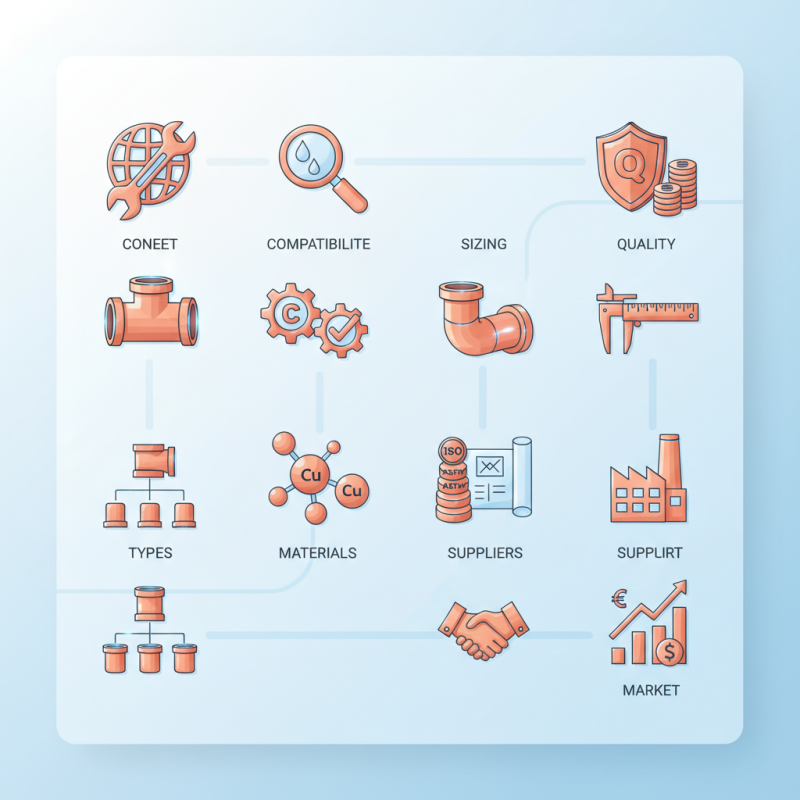
Many buyers overlook crucial details when purchasing copper fittings. Factors like quality, compatibility, and sizing can lead to costly errors. These fittings come in various types, materials, and standards. A careful review of these elements ensures that investments are sound and effective.
Navigating the complexities of copper fittings requires attention to detail and expert advice. It's vital to know which suppliers offer reliable products and are trustworthy. A deeper understanding can prevent potential issues and ensure that projects run smoothly. By being informed, buyers can make better choices in this competitive market.
Understanding Different Types of Copper Fittings Available Globally
Copper fittings are vital in plumbing and HVAC systems. Understanding the various types available globally can enhance your purchasing decisions. According to a report by Research and Markets, the copper fittings market is projected to reach $3 billion by 2026. This growth is driven by demand in construction and automotive industries.
There are several key types of copper fittings. Elbows, tees, and couplings are widely used. Elbows help change the direction of pipes. Tees allow for branch connections. Couplings connect two pipe lengths. Each type serves a purpose in different applications. It's crucial to choose the right fitting for your project. However, variations in manufacturing standards can lead to compatibility issues. Reports show that over 15% of buyers face such challenges when sourcing fittings globally.
When purchasing copper fittings, consider the materials and standards. Certifications can vary significantly among countries. Choose suppliers who provide quality assurance. This ensures reliability and durability in construction projects. Many global buyers overlook this step, leading to costly mistakes. Data indicates that 20% of projects are delayed due to improper fittings. Always verify any potential supplier's credentials for peace of mind.
Key Factors Affecting the Quality of Copper Fittings
When purchasing copper fittings, quality should be a primary concern. There are several key factors that affect that quality significantly. The purity of the copper is essential. Higher copper content usually leads to better conductivity and durability.
Manufacturing processes also play a crucial role in determining the quality of fittings. Various methods, such as forging and extruding, affect the material's strength. Buyers should ask suppliers about their production techniques. Often, small factories might cut corners to reduce costs, compromising quality.
Tip: Always examine the certifications provided by manufacturers. This serves as verification of the quality claims they make.
Another critical factor is the finish of the fittings. A well-applied finish prevents corrosion and extends the lifespan of the product. Inadequate finishing can lead to expensive repairs down the line.
Tip: Inspect sample products when possible. Touch and feel can reveal a lot about the manufacturing care taken.
Ultimately, selecting reliable suppliers is vital. Check their reputation in the industry. Reading customer reviews and seeking feedback can guide your decision-making process.
Top 10 Copper Fittings Tips for Global Buyers to Know - Key Factors Affecting the Quality of Copper Fittings
| Tip Number | Quality Factor | Description |
| 1 | Material Purity | Ensure copper fittings are made from high-purity copper to enhance conductivity and corrosion resistance. |
| 2 | Manufacturing Standards | Check if the manufacturer follows international standards such as ASTM, ISO, or JIS. |
| 3 | Inspection and Certification | Verify if the products have been independently tested and certified for quality assurance. |
| 4 | Compatibility | Check for compatibility with existing systems to avoid leaks or malfunctions. |
| 5 | Surface Treatment | Look for proper surface finish treatments that prevent oxidation and enhance durability. |
| 6 | Size and Dimensions | Ensure that the fittings conform to the measured specifications for precise fit. |
| 7 | Supplier Reputation | Research supplier background and reviews to assess reliability and quality. |
| 8 | Customization Options | Check if the supplier offers customization to meet specific project needs. |
| 9 | Packaging and Shipping | Review packaging methods to prevent damage during transportation. |
| 10 | Customer Support | Ensure the supplier provides adequate customer support for troubleshooting problems. |
Best Practices for Sourcing Copper Fittings from Reliable Suppliers
When sourcing copper fittings, reliability is crucial. Research shows that over 30% of global buyers face quality issues when dealing with unfamiliar suppliers. Establishing a clear communication channel can mitigate this risk. Always request product specifications and samples. This step allows you to assess the quality before committing to larger orders.
Choosing suppliers with industry certifications is a best practice. Companies with ISO 9001 certification often adhere to high standards. A report from the International Copper Association indicates that verified suppliers reduce the chance of defects by nearly 25%. However, some suppliers may misrepresent their certifications, so thorough background checks are essential.
Consider the supplier's location as well. Proximity can impact delivery times and costs. Also, regional market dynamics play a role in pricing. Always evaluate multiple quotes to ensure competitive pricing without sacrificing quality. The complexities in global supply chains underscore the importance of diligent sourcing practices. Frequent audits and visits can enhance supplier relationships, ensuring consistent quality.
Important Certifications and Standards for Copper Fittings
When purchasing copper fittings, understanding important certifications is crucial. Compliance with industry standards ensures product quality and safety. The International Organization for Standardization (ISO) outlines key certifications such as ISO 9001, which focuses on quality management systems. A study by the Copper Development Association highlighted that companies adhering to these standards report a 30% increase in customer satisfaction.
Another vital certification is ASTM, which provides specifications for copper fittings. Fittings that meet ASTM B75 for copper tubes show superior performance. These standards also enhance traceability in the supply chain, a factor increasingly important to global buyers. In fact, 65% of firms in a recent market survey emphasized the need for reliable sourcing of materials.
It's also worth noting that not all manufacturers maintain these certifications. Lack of compliance can lead to faulty products and safety risks. Buyers should ask for documentation proving adherence to international standards. Some suppliers may struggle to provide this, which raises questions about their reliability. Remaining vigilant during the sourcing process can ultimately save costs and ensure quality.
Top 10 Copper Fittings Tips for Global Buyers to Know
This bar chart illustrates the importance of various certifications and standards for copper fittings among global buyers. The data represents the percentage of buyers recognizing each standard's significance.
Tips for Negotiating Prices and Terms with Copper Fittings Manufacturers
Negotiating with copper fittings manufacturers requires a strategic approach. It’s not just about price. Understand the market standards. According to the International Copper Study Group, global copper demand will rise by 3% annually. This creates competition among suppliers. Thus, buyers need to leverage this demand in negotiations.
Start by researching current copper prices. The London Metal Exchange reported prices fluctuating around $9,500 per ton. Knowing this range helps in discussions. Engage suppliers with specific terms. Ask about bulk discounts or payment terms. Don’t shy away from requesting flexibility. Many manufacturers are open to negotiation, especially for large orders.
Consider quality assurance and production timelines as essential factors. It’s not just about getting the lowest price. Some suppliers may offer cheaper fittings, but at what quality? Industry reports indicate that 20% of copper fittings have quality issues due to poor manufacturing practices. Choose wisely. Don’t overlook certifications or previous customer reviews. This will add credibility to your negotiations.