Top Bathroom Fittings from China for Global Buyers?
As the demand for high-quality Bathroom Fittings continues to rise globally, China emerges as a leading supplier. Chinese manufacturers combine innovative designs with advanced technology to create exceptional bathroom fittings. Global buyers are increasingly drawn to the unique blend of style and affordability offered by products from this region.
Navigating the vast array of options can be overwhelming. The market is filled with various materials, styles, and functionalities. Buyers must weigh each choice carefully, ensuring that the products meet their specific needs. Quality assurance is critical, as not all manufacturers adhere to the same standards. This inconsistency can lead to complications, such as durability issues or aesthetic mismatches.
Brands that prioritize sustainable practices and user safety are becoming more prominent. Buyers should consider certifications and company reputations when selecting bathroom fittings. By focusing on trusted suppliers, global customers can make informed decisions. Ultimately, finding the right bathroom fittings requires diligence and a keen eye for detail. This exploration of options shapes the modern bathroom landscape, adding value and style to homes worldwide.
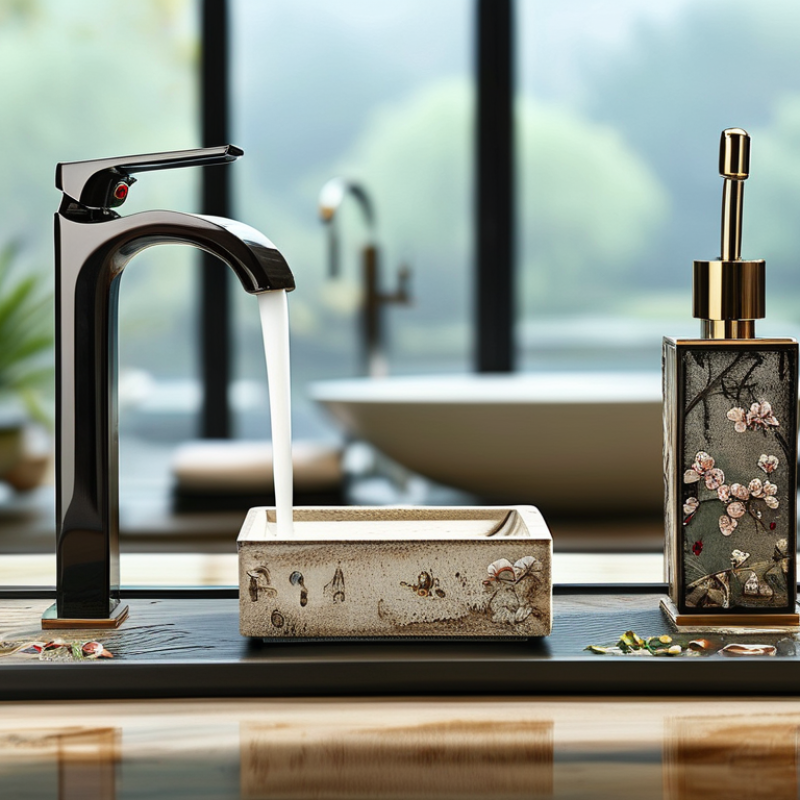
Top Trends in Bathroom Fittings from China for Global Markets
The bathroom fitting market in China is evolving rapidly. With increasing global demand, several trends are emerging. One notable trend is the rise of smart bathroom fittings. These innovations include touchless faucets and smart showers that enhance user convenience. They offer features like temperature control and water-saving modes. Such advancements cater to the modern consumer's need for efficiency and innovation.
Another trend gaining traction is eco-friendliness. Many manufacturers are focusing on sustainable materials. This move responds to the growing awareness of environmental issues globally. Biodegradable materials and energy-efficient designs are on the rise. Consumers are more inclined to purchase products that align with their eco-conscious values. However, navigating this market can still be tricky. Finding reliable suppliers who prioritize sustainability remains a challenge.
Lastly, customization is becoming important. Buyers seek unique designs tailored to individual tastes. Manufacturers are experimenting with various styles and finishes. This allows for personalization in spaces. Yet, balancing creativity with functionality is a concern. Products must not only look good but also perform well. The dynamics of this market require continuous reflection and adaptation.
Quality Standards for Bathroom Fittings Manufactured in China
Quality standards are critical in the bathroom fittings industry. In China, manufacturers adhere to various local and international standards. The ISO 9001 certification is one of the most recognized quality management standards. In 2022, around 80% of Chinese manufacturers achieved this certification.
Moreover, the materials used in bathroom fittings are essential for their longevity and performance. Stainless steel, for example, accounts for over 50% of materials used due to its corrosion resistance. A report by the China Building Materials Federation noted an increase in demand for eco-friendly materials, which reflects consumer preferences for sustainability.
However, not all manufacturers meet these high standards consistently. Issues like inconsistent quality and testing practices may arise. Some firms may cut corners to reduce costs, impacting overall product reliability. Global buyers need to conduct thorough audits when sourcing products. Understanding the certifications required in their respective markets is essential. This approach ensures that buyers align with high-quality standards while fostering sustainable business practices.
Innovative Features in Chinese Bathroom Fittings for Global Consumers
Chinese bathroom fittings showcase innovative features aimed at global consumers. These designs often highlight efficiency and sustainability. Many products incorporate water-saving technologies. These solutions address the growing concern for environmental impact.
Smart technology is another key aspect. Touchless faucets and smart showers are gaining popularity. Such features enhance user experience while promoting hygiene. However, the integration of technology may lead to maintenance challenges. Not all users are comfortable with complex setups.
Another noteworthy trend is the emphasis on aesthetics. Sleek designs and vibrant colors attract various consumers. However, taste can vary widely across cultures. Some designs may not appeal to everyone. Balancing innovation and tradition remains a continued journey for manufacturers.
Key Suppliers and Manufacturers of Bathroom Fittings in China
When it comes to bathroom fittings, China stands out as a key player in the global market. Numerous manufacturers are known for their innovative designs and quality materials. Buyers from across the world often seek partnerships with these suppliers to meet their diverse needs. The vibrant manufacturing landscape in China provides various options, from traditional styles to modern minimalist designs.
Several key suppliers have gained recognition for their expertise. They focus on producing faucets, showerheads, and bathtubs made from durable materials. Some manufacturers prioritize eco-friendly practices, contributing to sustainable development. However, not all suppliers maintain consistent quality. It's crucial for global buyers to conduct thorough research and inspections before making purchases.
Effective communication with suppliers can help clarify expectations. Establishing trust is essential in these transactions. Some buyers report challenges in navigating language barriers or differing business cultures. These complexities necessitate a careful approach. Exploring options, asking for samples, and comparing products can enhance buyer satisfaction in this competitive landscape.
Sustainability Practices in China's Bathroom Fixtures Industry
The bathroom fixtures industry in China is evolving. Sustainability has become a priority for many manufacturers. This shift involves using eco-friendly materials and energy-efficient processes. The impact of production on the environment is significant. Many companies are striving to reduce waste and emissions. This commitment reflects a broader trend in global manufacturing.
Tips: Look for products made from recycled materials. They often come with lower carbon footprints.
The industry faces challenges. While many manufacturers adopt sustainable practices, not all are transparent. Some companies may overstate their sustainability efforts. This inconsistency can lead to confusion among buyers. Research is essential. Buyers should seek evidence of sustainability claims to make informed decisions.
Tips: Ask suppliers for certifications. This can help verify their eco-friendly claims.
Educational resources on sustainable practices are becoming more available. Buyers can take advantage of industry reports and seminars. Understanding the materials and processes used in manufacturing is crucial. A thorough knowledge helps to identify genuinely sustainable options.