Discover China Top 10 Water Treatment Systems for Home Solutions?
When it comes to maintaining clean and safe water at home, selecting the right water treatment systems for home is crucial. Renowned expert Dr. Emily Zhao, a leading figure in water purification research, emphasizes, "Clean water is essential for a healthy life." This sentiment echoes the growing demand for effective solutions to address water quality concerns.
In China, many households face challenges related to water contamination. Selecting appropriate systems can significantly improve water quality. Effective water treatment systems for home not only enhance taste but also remove harmful contaminants. These systems vary in technology from reverse osmosis to UV purification, each offering distinct benefits.
Yet, with a plethora of options, consumers may feel overwhelmed. Not every system suits every household's needs. Understanding local water quality is vital for making informed choices. Therefore, evaluating each system's advantages and suitability remains a crucial step. Investing in the right technology is worth the effort for the sake of family health and well-being.
Overview of Home Water Treatment Systems in China
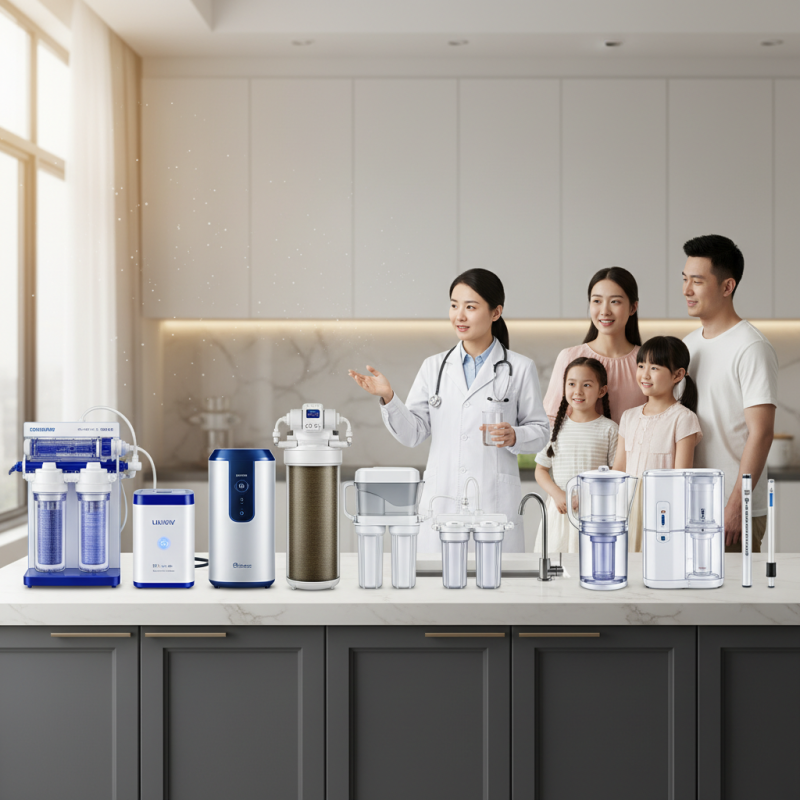
In recent years, home water treatment systems in China have gained significant attention. With increasing concerns about water quality, many households now seek effective solutions. These systems aim to improve water safety and taste. Due to various pollution sources, the demand for clean water has never been higher.
Several types of treatment systems are widely used in Chinese homes. Filtration systems, such as activated carbon filters, effectively remove impurities. Reverse osmosis devices are popular for their ability to eliminate heavy metals and toxins. UV purification systems are also common, using ultraviolet light to kill bacteria. Each method has its own pros and cons, making it challenging to choose the right one. It is also vital to assess water quality before purchasing.
However, not all systems guarantee perfect results. Some might not remove all contaminants, leaving room for skepticism. Installation can also be tricky, and improper setup may lead to inefficiencies. Regular maintenance is essential for optimal performance but is often overlooked. Homeowners should be cautious and informed to make the best decision for their water treatment needs.
Key Features of Top Water Treatment Solutions
When it comes to water treatment systems for home solutions, several key features distinguish the best options. Effective filtration is paramount. A report by the World Health Organization estimates that over 2 billion people lack access to safe drinking water. Thus, adopting advanced home water treatment systems can significantly contribute to health and safety.
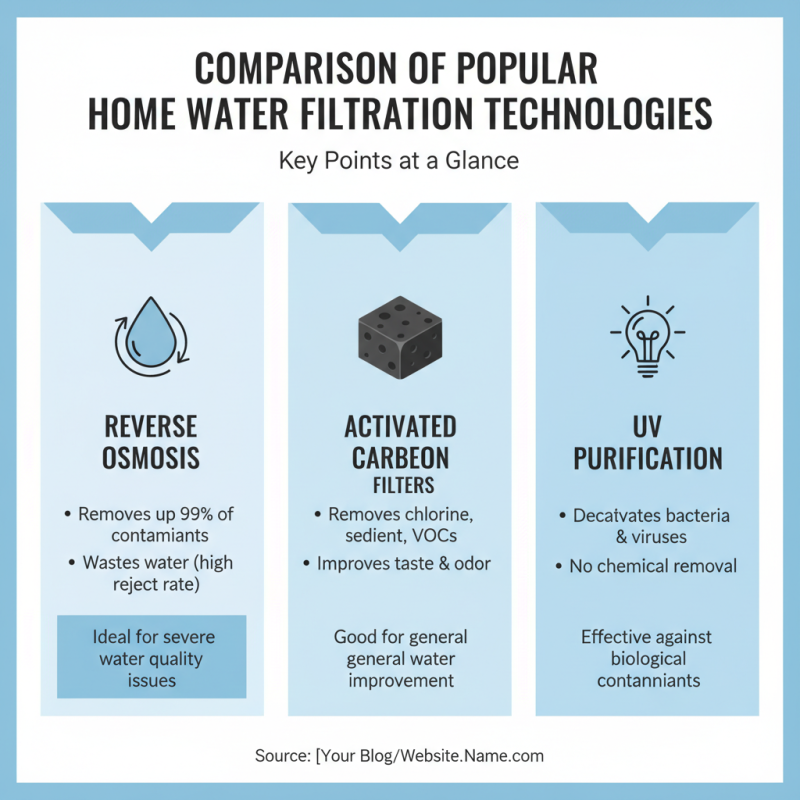
Reverse osmosis (RO) is a popular technology offering high purification levels. It removes up to 99% of contaminants, including heavy metals and bacteria. Activated carbon filters also play a crucial role in improving taste and odor. They can effectively reduce chlorine, volatile organic compounds (VOCs), and other harmful substances.
**Tip:** Consider installing a system with multiple stages of filtration. This can ensure comprehensive contaminant removal and improve water quality.
UV purification has gained traction as well. It uses ultraviolet light to eliminate pathogens without adding chemicals. This method, combined with pre-filtration technologies, has been shown to improve water safety significantly. Nevertheless, high maintenance costs can be a drawback. Regular maintenance is necessary to ensure optimal performance and longevity.
**Tip:** Regularly check and replace filters as recommended. This simple step can extend the system's lifespan and maintain water quality.
When evaluating options, look beyond just initial costs. Consider long-term benefits and reliability. Dive deep into user reviews and industry data to ensure you make an informed decision. Access to clean water is essential; investing in a reliable home system can lead to significant health improvements.
Discover China Top 10 Water Treatment Systems for Home Solutions
| System Name |
Type |
Filtration Method |
Capacity (L/day) |
Key Features |
| Home Purifier A |
Reverse Osmosis |
RO Membrane |
50 |
Multi-stage filtration, UV disinfection |
| Compact Filter B |
Activated Carbon |
Granular Activated Carbon |
15 |
Compact design, easy installation |
| Whole House System C |
Ion Exchange |
Softening & Filtration |
200 |
Reduces hard water, prolongs appliance life |
| Portable Filter D |
Ceramic Filter |
Microfiltration |
3 |
Lightweight, ideal for travel |
| Alkaline Filter E |
Alkaline Ionization |
Electrolysis |
30 |
Increases pH, adds minerals |
| UV Purifier F |
Ultraviolet |
UV Radiation |
40 |
Kills bacteria, chemical-free |
| Salt-Free System G |
Descaler |
Template Assisted Crystallization |
100 |
No salt needed, environmentally friendly |
| Under Sink Filter H |
Point-of-Use |
Carbon Block and Sediment Filtration |
20 |
Space-saving, high flow rate |
| High Efficiency System I |
Hybrid |
RO and UV |
75 |
Combination of technologies for superior quality |
| Smart Filter J |
Smart Technology |
Multi-layer Filtration |
No Limit |
Smart notifications, remote control |
Comparison of Popular Home Water Filtration Technologies
When it comes to home water treatment systems, various technologies compete for attention. Popular options include reverse osmosis, activated carbon filters, and UV purification. Each method has its merits and potential drawbacks. For instance, reverse osmosis effectively removes up to 99% of contaminants, but it can waste significant amounts of water in the process. This technology is ideal for areas with severe water quality issues.
Activated carbon filters, on the other hand, excel at improving taste and odor by trapping impurities. According to the Environmental Protection Agency, nearly 70% of households prefer this method for its effectiveness and affordability. However, these filters require regular maintenance and replacement to function optimally. The initial price may be low, yet costs may accumulate over time.
UV purification offers another layer of protection against bacteria and viruses. It operates without chemicals, which is a significant advantage. However, it does not remove sediment or other particles. This can leave households vulnerable if not paired with another filtration method. Homeowners should carefully evaluate their specific needs and local water quality to select the most suitable technology. Each option presents unique challenges, and thorough research is essential.
Benefits of Installing a Home Water Treatment System
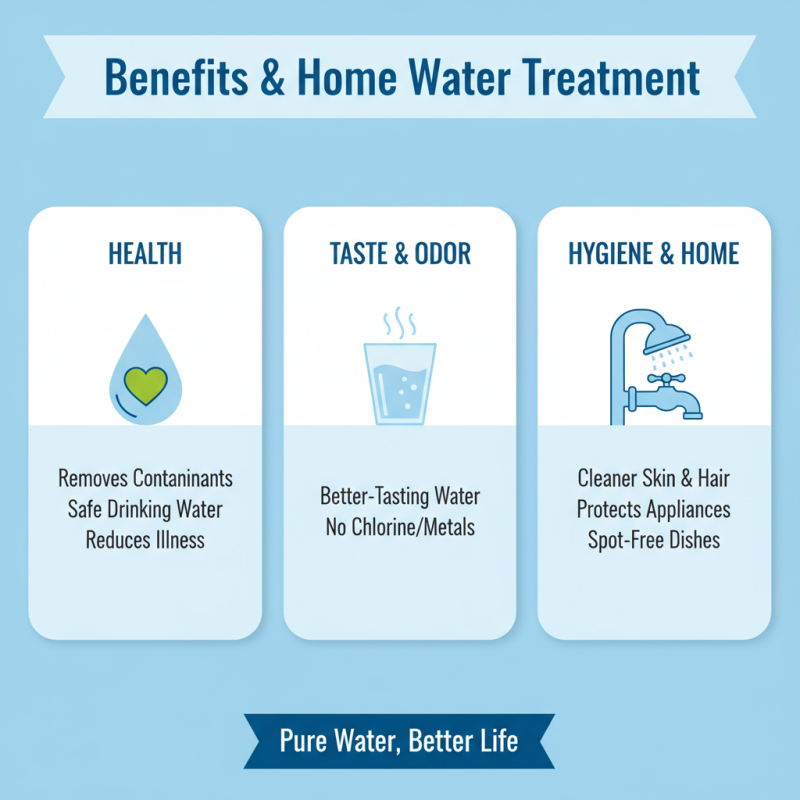
Installing a home water treatment system offers numerous benefits that can enhance your daily life. Clean water is essential for health, cooking, and hygiene. A water treatment system removes contaminants, ensuring safe drinking water for your family. It can filter out heavy metals, chlorine, and other pollutants often found in tap water. This leads to better-tasting water and reduces the risk of waterborne illnesses.
Moreover, these systems can improve the longevity of your appliances. Limescale buildup from hard water can damage pipes and decrease the efficiency of water heaters. A treatment system minimizes such damage, saving you money on repairs. Additionally, you may notice softer skin and shinier hair, thanks to the removal of harsh minerals.
However, when choosing a water treatment system, it's vital to reflect on your specific needs. Systems vary widely in features and costs. Consider the size of your household and your typical water usage. It’s also important to think about installation and maintenance. Many people overlook ongoing costs, which can add up over time. Research and choose wisely to ensure you invest in a reliable solution.
Maintenance Tips for Optimal Performance of Water Systems
Maintaining your water treatment system is crucial for optimal performance. Regular checks can prevent costly repairs and ensure clean water. Start by inspecting filters. They should be changed or cleaned every few months, depending on usage. Neglecting this can lead to decreased water quality.
Pay attention to the system's components. Look for any signs of leaks or corrosion. A small leak can lead to bigger problems over time. You might not notice it initially, but it can affect performance. Schedule periodic professional maintenance. Experts can spot issues that may escape your notice.
Remember, even high-quality systems require care. It's easy to overlook small tasks like checking water pressure. Additionally, some users may find challenges in understanding their system's manual. Make notes or diagrams. This can help track maintenance tasks more efficiently. Taking these steps ensures your water treatment system operates effectively for years.
Top 10 Water Treatment Systems for Home Solutions
This chart illustrates the top ten home water treatment systems based on performance and popularity. Each system's score reflects its efficiency, user satisfaction, and maintenance needs. Optimal performance is key for ensuring clean and safe drinking water.