Top 10 Commercial Vehicles You Need to Know About?
The world of Commercial Vehicles is evolving rapidly. Experts in the field, like John Smith, a leading analyst at Fleet Insights, stress the importance of staying informed. He once said, “Understanding the dynamics of Commercial Vehicles is crucial for business success.”
In today's market, choosing the right vehicle can significantly impact operational efficiency and cost-effectiveness. Commercial Vehicles are not just about transportation; they represent vital assets for many businesses. This sector includes trucks, vans, and specialized vehicles tailored for varied industries. Each type has distinct features and capabilities.
However, navigating the complexities of this market can be daunting. Many companies can make mistakes when selecting vehicles that don't align with their needs. It's essential to reconsider choices and ensure they meet both present and future demands. The right decision could optimize logistics and enhance productivity in ways that matter. Understanding the Top 10 Commercial Vehicles can provide valuable insights for making informed choices.
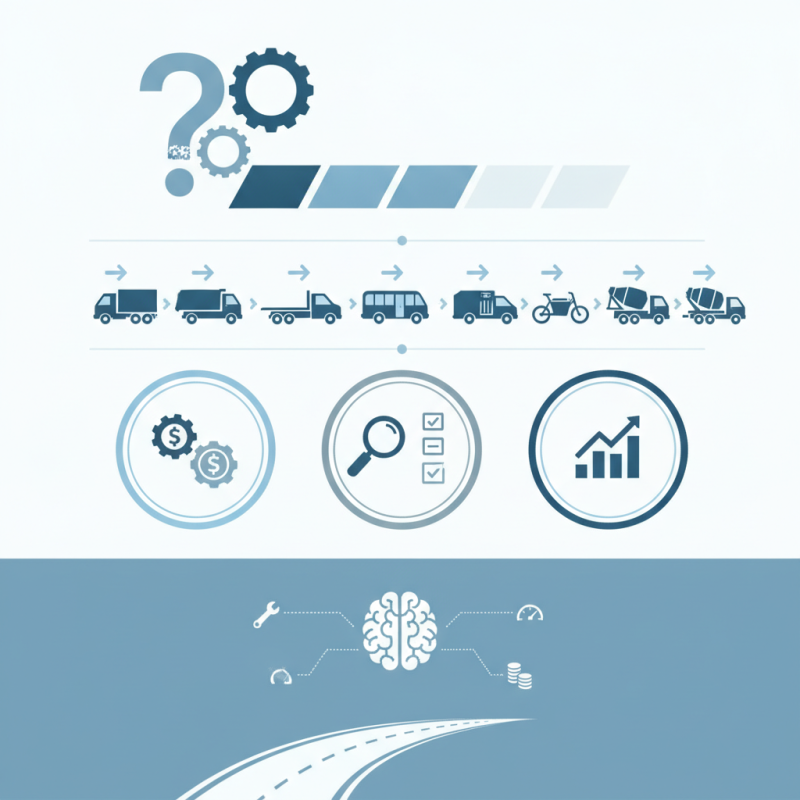
Overview of Commercial Vehicles in the Automotive Industry
The commercial vehicle sector plays a crucial role in the global automotive industry. In 2022, the global commercial vehicle market was valued at approximately $800 billion and is projected to grow significantly over the next few years. This growth is driven by demand in logistics, manufacturing, and e-commerce sectors. Cities are adapting to the rise of electric commercial vehicles, highlighting the shift toward greener solutions.
Data from industry reports shows that heavy-duty trucks account for about 30% of total commercial vehicle sales. These vehicles are essential for transporting goods across long distances. However, many operators struggle with increased fuel costs and maintenance. New technologies aim to address these challenges, yet implementation remains complex and costly for smaller businesses.
Additionally, the market is seeing a rise in light-duty and medium-duty trucks, catering to local deliveries. A report indicated that 40% of fleet operators plan to invest in upgrades that enhance fuel efficiency. However, the transition can be slow, and funding concerns often limit progress. The landscape is changing, yet it may not be fast enough to meet the demands of a rapidly evolving economy.
Top 10 Commercial Vehicles You Need to Know About
| Vehicle Type | Payload Capacity (lbs) | Fuel Efficiency (mpg) | Engine Type | Cargo Volume (cu ft) |
| Box Truck | 6,000 | 10-15 | Diesel | 1,200 |
| Delivery Van | 4,000 | 15-20 | Gasoline | 500 |
| Pickup Truck | 3,000 | 15-25 | Gasoline/Diesel | 80 |
| Stake Bed Truck | 5,000 | 10-12 | Diesel | 700 |
| Refrigerated Truck | 8,000 | 8-12 | Diesel | 1,000 |
| Tow Truck | 10,000 | 8-10 | Diesel | 150 |
| Flatbed Truck | 7,000 | 8-14 | Gasoline | 800 |
| Chassis Cab | 6,500 | 12-16 | Gasoline/Diesel | 600 |
| Cargo Van | 4,500 | 15-18 | Gasoline | 400 |
| Mini Bus | 2,500 | 10-12 | Diesel | 200 |
Key Features and Benefits of Top Commercial Vehicles
When considering commercial vehicles, various factors are crucial. Key features like payload capacity, fuel efficiency, and safety ratings play significant roles. According to a 2023 report by the American Trucking Associations, heavy-duty trucks contributed $726 billion to the U.S. economy. Vehicles designed for specific tasks can maximize productivity.
Payload capacity is vital for transporting goods. High-capacity vans can carry up to 3,000 pounds. This feature saves time and reduces the number of trips needed. Fuel efficiency is another important aspect. For instance, some models achieve up to 25 miles per gallon. This lowers operational costs.
Safety features are also essential for commercial use. Many vehicles now include advanced driver-assistance systems. These technologies can help prevent accidents, ensuring the safety of drivers and cargo. However, it's essential to note that not all vehicles meet the same safety standards. The reliability of data in safety reports varies, and regular maintenance is crucial for performance. Therefore, fleets must choose wisely based on their unique operational needs.
Comparison of Different Types of Commercial Vehicles
When exploring commercial vehicles, it's essential to understand the different types available. Each type serves a distinct purpose. Light-duty trucks are prevalent for local deliveries. They offer flexibility and efficiency for urban transport. Their payload capacity generally ranges from 6,000 to 10,000 pounds. This makes them ideal for many businesses.
Medium-duty trucks bridge the gap between light and heavy categories. These vehicles excel in regional hauling, often featuring more robust engines and larger cargo areas. Their weight limits generally fall between 10,000 and 26,000 pounds. However, some may find maneuverability to be a challenge. Heavy-duty trucks, on the other hand, are designed for long-haul transport. They excel in volume and distance but can be more challenging to operate in tight spaces.
Vans and box trucks serve specialized roles in delivery services. Vans are slightly smaller and suited for transit in congested city environments. Box trucks offer substantial cargo space but can present a steeper learning curve for new drivers. Understanding these differences helps businesses choose the right vehicle for their needs. Reflecting on one's operational context can lead to more informed decisions and better efficiency.
Trends Influencing the Commercial Vehicle Market
The commercial vehicle market is evolving rapidly. Several trends are shaping this industry, influencing vehicle design, efficiency, and sustainability. One major trend is the growing demand for electric commercial vehicles. Companies are increasingly focusing on reducing emissions and operating costs. This shift is not just about regulations; it reflects a deeper commitment to environmental responsibility.
Another significant influence is the integration of advanced technology. Fleet management systems and telematics allow companies to monitor vehicle performance in real-time. This data can lead to smarter decisions regarding maintenance and operations. However, reliance on technology can be a double-edged sword. As vehicle systems become more connected, they also become more vulnerable to cyber threats.
The impact of changing consumer preferences cannot be overlooked. Businesses are now prioritizing versatility and functionality in their vehicles. Lightweight materials and modular designs are often sought after. Yet, there's a challenge in balancing durability with these innovations. As manufacturers try to meet diverse customer needs, it raises questions about long-term reliability and repairability. These trends showcase the complex landscape of the commercial vehicle market today.
Future Innovations in Commercial Vehicle Technology
The landscape of commercial vehicle technology is rapidly transforming. Innovations are driving efficiency and sustainability. According to a recent report from the International Council on Clean Transportation, electric commercial vehicles can reduce greenhouse gas emissions by up to 50% compared to traditional diesel models. This shift is critical as regulations tighten worldwide.
Autonomous driving is another frontier. The Society of Automotive Engineers estimates that by 2030, 15% of all commercial vehicles could be fully autonomous. However, safety concerns and regulatory hurdles remain. These challenges require continued dialogue between manufacturers, lawmakers, and the public. Additionally, many companies are still adapting to the integration of AI technologies.
Data from industry reports indicate that the global commercial vehicle market is expected to reach $1.5 trillion by 2027. While this growth is promising, it highlights the need for robust infrastructure and training. Many firms struggle to keep pace with innovations, reflecting the need for continuous investment in workforce education. The future of commercial vehicles is bright, but it demands careful navigation and strategic foresight.