Choosing limestone veneer is not merely a color decision. It affects durability, maintenance, installation cost, and the character of a building. A warm cream sample may look calm indoors, yet appear much brighter beneath harsh afternoon sun. Rain can also reveal texture, joints, and uneven absorption.
Architect Frank Lloyd Wright once said, “Study nature, love nature, stay close to nature.” His principle remains useful when evaluating natural stone. limestone veneer should complement its surroundings, not fight them. Review the quarry source, stone density, surface finish, available sizes, and expected color variation. Ask whether the product suits your region’s freeze-thaw cycles and moisture exposure. Product data matters. Marketing language is not enough.
The guide will examine seven practical checks. These include matching the stone to the building style, verifying technical performance, inspecting full-size samples, and confirming installation requirements. Mortar color deserves attention, too. It can quietly change the entire façade. Proper flashing, drainage, and joint detailing matter as much as the veneer itself. A beautiful stone can still fail when water is trapped behind it.
There is no perfect selection. I have seen small samples create false confidence. That mistake is easy to repeat. Comparing several panels outdoors may feel slow, but it exposes differences that catalogs hide. A reliable choice balances appearance, performance, local climate, workmanship, and long-term care. Limestone veneer rewards careful judgment, not rushed enthusiasm.
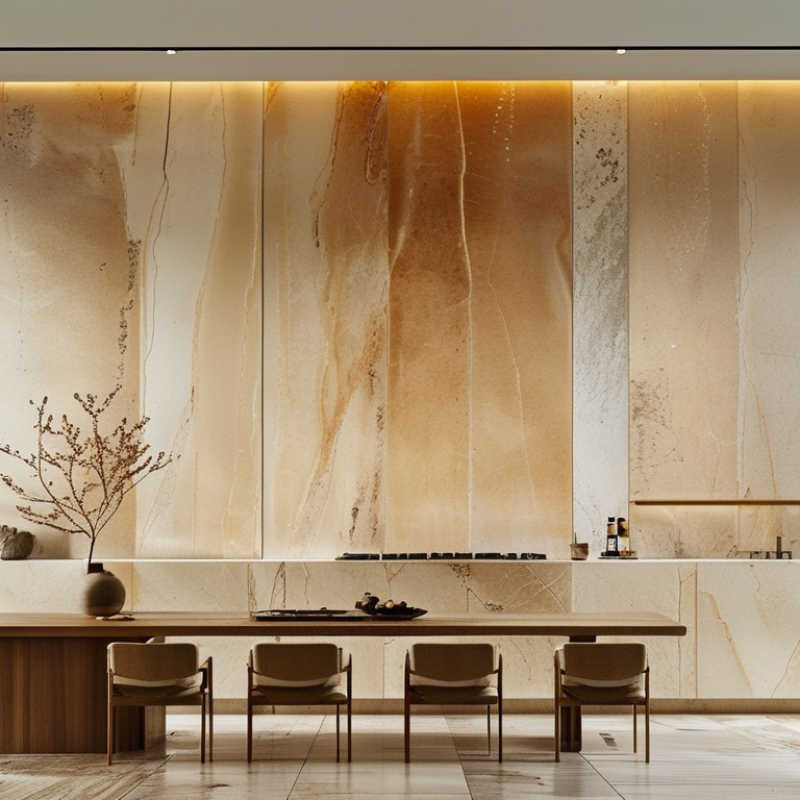
7 Tips for Choosing the Right Limestone Veneer
Limestone veneer typically comes in full-bed masonry, thin adhered veneer, and rainscreen cladding. Full-bed units create deep joints and a traditional wall profile. Thin veneer reduces weight and suits renovations with limited support. Rainscreen panels add a drainage cavity behind the stone. The choice depends on structure, moisture exposure, and installation access, not appearance alone.
ASTM C568/C568M classifies limestone by density: low, medium, and high. Low-density stone often suits sheltered interiors and decorative walls. Medium-density limestone works well on residential façades with proper detailing. High-density stone better tolerates heavy traffic, freeze-thaw cycles, and exposed exterior conditions. The U.S. Geological Survey reported approximately 1.5 billion metric tons of crushed stone production in 2023, with limestone forming a major share. That scale shows availability, but it does not guarantee veneer performance.
Ask for density, absorption, flexural-strength, and freeze-thaw test results before approval. Check the quarry lot against the actual sample. Colors can shift noticeably between batches. A practical installer also inspects corners, anchors, flashing, and joint depth before work begins. Small drainage errors can stain a beautiful wall. The awkward truth is that thin veneer is not automatically easier; poor substrate preparation can cause expensive failures. I would also review local climate data, because a sheltered courtyard and a wind-driven coastal façade need different limestone types.
Begin with stone quality, not appearance. Ask for density, water absorption, compressive strength, and quarry documentation. ASTM C568/C568M classifies limestone by density and performance, helping buyers compare samples more fairly. The U.S. Geological Survey’s Mineral Commodity Summaries 2024 estimated about 1.9 million metric tons of U.S. dimension-stone production in 2023. That volume still represents many different geological conditions. Test it. A qualified laboratory should check absorption and strength before exterior installation, especially in freeze-thaw climates. Small cracks can become obvious after several winters.
Texture deserves close inspection. Riven surfaces feel natural but collect more dust and moisture. Honed finishes appear quieter and usually show fewer sharp highlights. Brushed finishes add grip, though they may deepen unevenly across one batch. I once underestimated how strongly a rough texture changed a narrow entryway. The sample looked calm. The installed wall did not. Color shifts with daylight, nearby glass, mortar, and wetness. View full-size pieces outdoors, then compare them beside the intended trim. The Natural Stone Institute’s technical guidance also emphasizes reviewing samples under actual project conditions, not only showroom lighting.
Surface finish should match use. A softer limestone with a polished look may demand more maintenance than expected. Ask whether the finish is factory-applied, repairable, and suitable for local weather. Review the National Stone Institute’s Dimension Stone Design Manual and record the batch number, finish, and approved mock-up. Natural variation is part of limestone’s character, but inconsistent selection can look careless. Leave room for reflection. The cheapest sample is rarely the cheapest wall.
Limestone veneer thickness should follow the wall, not only the desired appearance. Thin veneer usually suits sound concrete, masonry, or properly prepared framed walls. It reduces weight and may simplify handling. Full-bed veneer creates a deeper reveal, but it demands stronger support, wider footings, and careful detailing around openings. Check local requirements before selecting materials.
On site, I measure the substrate, drainage paths, corners, and window returns before ordering stone. Adhered veneer needs a clean, stable surface and a compatible mortar system. A scratch coat can improve bond strength on suitable backgrounds. Mechanically anchored veneer requires engineered attachments, movement allowances, and a drained cavity. Do not hide flashing behind attractive stone. Water will find the weakness.
Color samples rarely show the whole installation. Ask for several pieces with different textures and thicknesses. I once approved a sample too quickly, then noticed the finished wall looked flatter than expected. That mistake changed my process. Now I review mockups in morning and afternoon light. Mortar joints also affect the visual scale. Narrow joints can emphasize irregular edges, while wider joints may look calmer and more forgiving. Leave room for movement at transitions, corners, and dissimilar materials. Small details matter.
Start with climate, not color.
Limestone performs differently in humid, coastal, desert, and freeze-thaw regions. Laboratory reports under ASTM C97/C97M often show water absorption below 1% for dense limestone, while porous varieties can exceed 10%. Lower absorption usually improves resistance to staining and freeze-thaw damage. It does not guarantee success. Ask for recent absorption, density, and strength reports for the exact quarry material.
The Natural Stone Institute’s Dimension Stone Design Manual also recommends project-specific testing, because properties can vary within one stone type.
Check flexural strength under ASTM C880/C880M, especially for thin veneer panels and windy façades. Review freeze-thaw results when winter temperatures drop below freezing.
Coastal projects need extra attention to salt crystallization and metal detailing. Use sloped ledges, open drainage paths, and properly designed flashing.
Water is often the real enemy.
Maintenance should remain simple. Use a pH-neutral cleaner, soft brushes, and prompt removal of oil or rust stains. Avoid harsh acids; they can dull calcite-rich limestone.
Sealers may reduce absorption, but they are not permanent waterproofing. Reapplication depends on exposure and product testing.
Inspect joints and horizontal surfaces twice yearly. That small habit matters.
A low-maintenance stone can still fail when water enters behind the veneer. I would not choose limestone from a sample alone. Build a small mock-up, expose it to local weather, and inspect color, joints, and surface change before approving the full installation.
Choosing limestone veneer requires more than comparing the price per square foot. Request a complete estimate covering stone, fabrication, packaging, delivery, installation, sealing, and expected waste. Allow for waste. Complex corners and irregular cuts can increase material use. A cheaper quote may exclude substrate repairs or specialized labor, creating an expensive surprise later.
Evaluate suppliers through evidence, not polished photographs. Ask for recent project references, technical data, batch availability, and written lead times. Reliable suppliers should explain absorption, density, freeze-thaw performance, and recommended maintenance. Samples can mislead. View them indoors, outdoors, wet, and dry. Check the surface at morning and afternoon angles, because limestone color and texture can change dramatically with light.
Long-term value depends on performance and repairability. Confirm whether replacement pieces can be matched several years later. Ask how stains, chipped edges, and failed joints are handled. Review the warranty carefully, especially exclusions related to installation or weather exposure. In my project reviews, small sample boards often hide natural variation across a full wall. That variation is not necessarily a defect, but clients should approve it before ordering. I have also seen accurate material budgets fail because delivery access was ignored. Measure unloading space, site storage, and lifting requirements early. A thoughtful decision weighs today’s cost against maintenance, visual consistency, service support, and the veneer’s expected working life.
Build your system. Protect your boat. Join the movement.