What is Rubber Insulation Material and Why Do You Need It?
Rubber Insulation Material plays a crucial role in various industries. It is a versatile solution for thermal and acoustic insulation needs. Many businesses utilize this material for its excellent properties and performance.
One of the primary reasons to use rubber insulation material is its ability to resist moisture. This feature helps in preventing mold and mildew growth, especially in humid environments. Furthermore, rubber insulation is effective in reducing energy consumption. It can conserve heat during winters and keep spaces cool during summers.
Choosing the right insulation material requires careful consideration. While rubber offers many advantages, it may not be suitable for every application. Evaluating specific needs and requirements is essential. Not all projects will benefit equally from rubber insulation, so assessments are necessary. Overall, understanding the value of rubber insulation material can lead to more informed decisions in insulation practices.
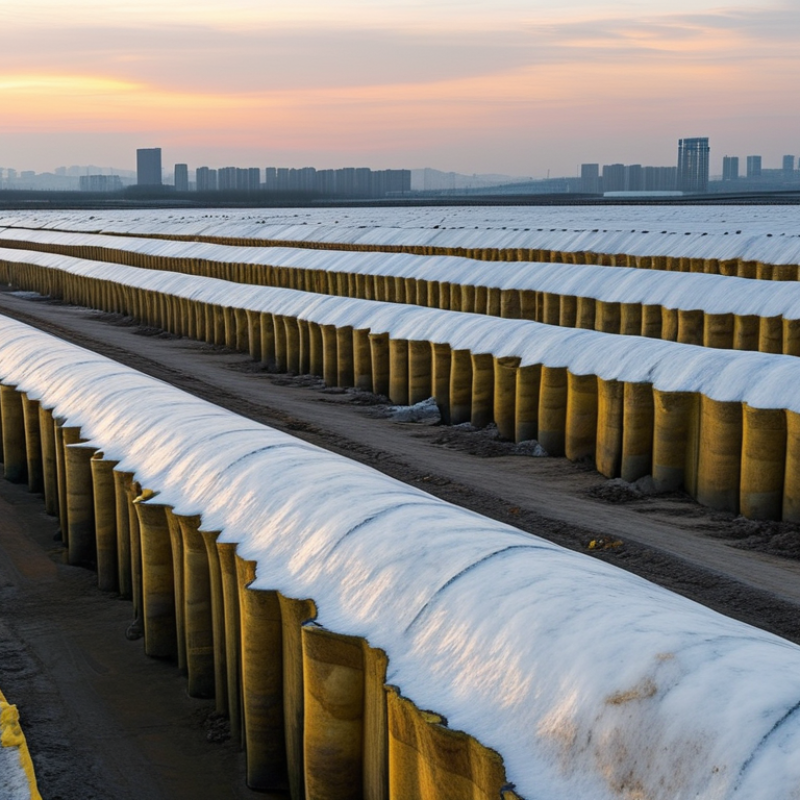
What is Rubber Insulation Material?
Rubber insulation material serves a vital purpose in various industries. It plays a crucial role in minimizing heat loss and protecting electronic components. Made from natural or synthetic rubber, this insulation provides excellent resistance to extreme temperatures. Its flexibility allows it to fit snugly around pipes, cables, and other surfaces. This feature minimizes energy waste and creates a more efficient system.
One significant benefit of rubber insulation is its ability to reduce noise. Equipment in industrial settings can be noisy. Proper insulation can dampen sound vibrations. Therefore, using rubber can lead to a more pleasant working environment. However, not all rubber insulation is created equal. Environmental factors like humidity can affect performance over time. This imperfection highlights the need for regular inspection and maintenance.
Additionally, rubber insulation is often chosen for its durability. It resists moisture, chemicals, and weathering. These properties make it a reliable choice for outdoor applications. Yet, potential buyers should consider the specific requirements of their projects. In some cases, other materials might be more suitable. It’s essential to weigh the pros and cons carefully. Making an informed choice will ensure optimal performance and longevity.
Types of Rubber Insulation Materials Used in Industries
Rubber insulation materials play a crucial role in various industries, particularly in HVAC and electrical applications. Common types include neoprene, EPDM, and silicone rubber. Each type has distinct properties that cater to specific industrial needs. For instance, neoprene offers excellent resistance to ozone and weathering, making it ideal for outdoor applications. According to a recent industry report, neoprene accounts for approximately 25% of the rubber insulation market due to its versatility and durability.
EPDM is another popular choice, especially in roofing and plumbing. It exhibits outstanding heat and UV resistance, which contributes to its long lifespan. Research indicates that EPDM can reduce heat transfer by up to 40%, enhancing energy efficiency in buildings. In certain industrial settings, the use of silicone rubber is also prevalent, known for its high-temperature resistance.
Despite the advantages of rubber insulation, it's essential to consider potential drawbacks. For example, some rubber materials may degrade over time when exposed to certain chemicals or extreme temperatures. Regular inspections and maintenance are vital to ensure performance and longevity. Understanding these nuances can help industries choose the right insulation materials to meet their specific requirements effectively.
Key Properties and Benefits of Rubber Insulation
Rubber insulation material is crucial in various industries due to its unique properties. With a thermal conductivity rating as low as 0.14 W/mK, it effectively minimizes heat loss. This means buildings use less energy, leading to lower utility bills and reduced environmental impact. The flexibility of rubber insulation allows it to fit snugly around pipes and ducts, ensuring maximum efficiency.
One key benefit is its excellent moisture resistance. According to industry reports, condensation can increase energy costs by up to 30%. Rubber insulation mitigates this risk, protecting systems from damage and extending their lifespan. Its durability adds to its value, with an average lifespan exceeding 25 years, providing long-term savings.
**Tip:** Ensure proper installation to maximize these benefits. Gaps can reduce efficiency significantly.
Another important property is its soundproofing ability. Energy savings and noise reduction are not just trends; they are essential in residential and commercial spaces. Sound transmission can be reduced by over 50% when using rubber insulation. This is especially beneficial in multi-family units or near busy streets.
**Tip:** Regular maintenance checks can identify wear and tear, ensuring continued performance.
Key Benefits of Rubber Insulation Material
Industry Applications: Where Rubber Insulation is Essential
Rubber insulation plays a vital role across various industries. In construction, it helps regulate temperature and reduce energy costs. Insulated pipes and ducts protect against heat loss and condensation. Factories utilize rubber insulation to ensure safety and comfort for workers. This material is essential for maintaining the efficiency of machinery.
In the automotive sector, rubber insulation is key for noise reduction. It dampens vibrations from the engine, providing a quieter ride. Additionally, in electrical applications, rubber insulation is crucial for preventing short circuits. It offers reliable protection against heat and moisture. The use of rubber insulation can also enhance the lifespan of equipment.
Despite its benefits, challenges remain. Not all rubber insulation meets the same standards. Selecting the right type for specific applications requires careful consideration. In some cases, cost may outweigh performance, leading to potential failures. Continuous evaluation is necessary to optimize its use across industries.
What is Rubber Insulation Material and Why Do You Need It? - Industry Applications: Where Rubber Insulation is Essential
| Application Area | Key Benefits | Typical Temperature Range (°C) | Durability Rating |
| HVAC Systems | Energy Efficiency, Noise Reduction | -30 to 105 | High |
| Industrial Equipment | Vibration Dampening, Safety | -40 to 120 | Medium |
| Electrical Wiring | Electrical Insulation, Fire Resistance | -20 to 90 | Very High |
| Building Construction | Thermal Insulation, Moisture Protection | -30 to 80 | High |
| Automotive | Sound Proofing, Temperature Control | -40 to 100 | Medium/High |
Comparative Analysis: Rubber Insulation vs. Other Materials
Rubber insulation materials are gaining traction in modern applications. They provide excellent thermal resistance and soundproofing compared to alternative options. According to a 2022 market report, rubber insulation is known for reducing energy loss by up to 30%. This efficiency makes it a top choice for residential and commercial buildings.
When comparing rubber insulation to fiberglass, it's critical to note several differences. Rubber is more flexible and less prone to moisture. The same report highlights that fiberglass can absorb water, leading to mold growth. Rubber, however, maintains its properties even in humid environments. This durability offers a reliable option for many industries, particularly in HVAC systems.
*Tips: Choose rubber insulation if your application is in wet areas. This choice can prevent costly repairs down the line. Always assess your building’s requirements before selecting insulation material.*
Another important factor is sound insulation. Rubber insulation reduces noise transmission effectively. Studies show that it can lower noise levels by up to 50%. This is crucial for environments like music studios or office spaces. Consider how noise impacts comfort when selecting materials for your projects.