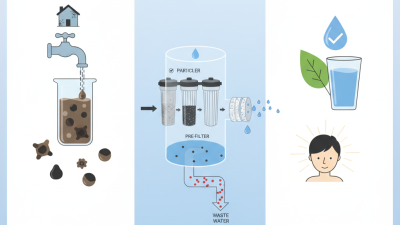
Why You Need a Water Filter for Your House Today?
Access to clean drinking water is more crucial than ever. According to the Environmental Protection Agency (EPA), approximately 10% of Americans have experienced drinking water contamination. This alarming statistic highlights a pressing need for homeowners to consider a water filter for house installation. The difference between contaminated water and safe drinking water can impact health significantly.
Dr. Emily Thompson, a water quality expert, stresses the importance of filtration systems in homes. She states, “Investing in a water filter for house not only protects your family's health but also enhances overall water quality.” A reliable water filter can reduce contaminants like lead, chlorine, and bacteria. These harmful substances can lead to severe health risks over time.
Despite the availability of safe water options, many households overlook this essential investment. The consequences of neglecting water quality can manifest in various health issues. Homeowners should reflect on their choices regarding water safety and weigh the benefits of installing a filter. A water filter for house installation is not just a luxury; it’s a necessity for a healthier future.
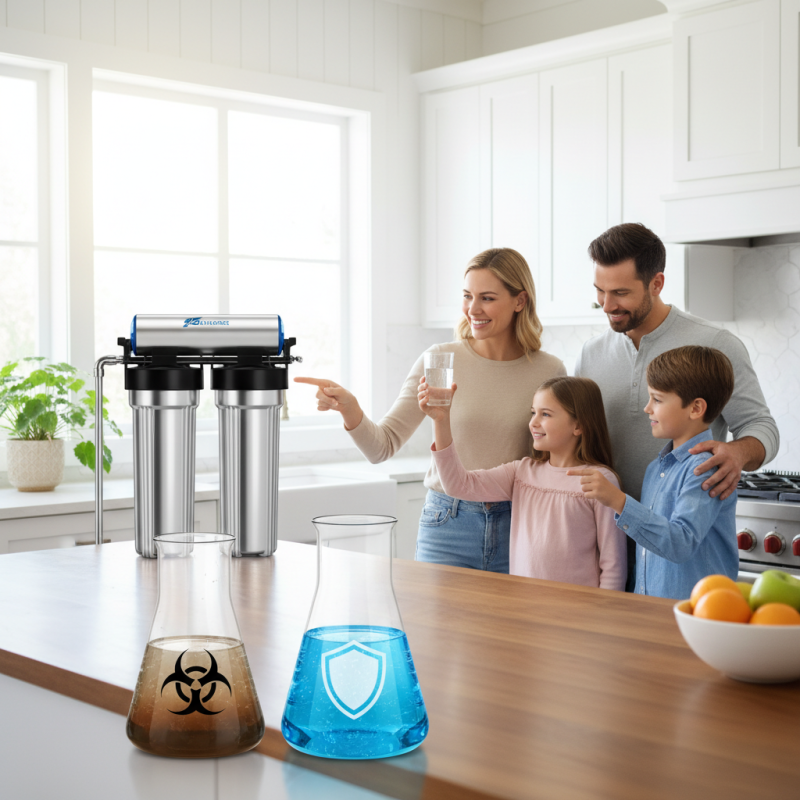
The Importance of Clean Water for Health and Wellbeing
Clean water is essential for our health and wellbeing. Every day, we drink, cook, and wash with water. But is that water safe? Many people overlook this important question. Tap water may contain harmful contaminants. These could be bacteria, heavy metals, and chemicals. Consuming these toxins can lead to serious health issues.
A water filter can help eliminate these impurities. It enhances the taste and quality of your drinking water. Imagine filling a glass with fresh, pure water. A filter can make that happen. It removes unpleasant odors and harmful substances. The peace of mind that comes with knowing your water is safe is invaluable.
We often take clean water for granted. It’s easy to forget the potential risks. Installing a water filter is a small step that makes a big difference. It ensures that you and your family are drinking clean water every day. Investing in a filter today can lead to better health tomorrow. Don't wait until it’s too late.
Common Contaminants Found in Tap Water
Many people trust tap water. However, research shows it contains harmful contaminants. A report from the Environmental Protection Agency reveals that over 80 contaminants may be present. Among them are heavy metals like lead and mercury. These toxins can affect health in serious ways.
Microbial contaminants are another concern. Studies highlight that more than 7 million Americans get sick from waterborne diseases annually. Common bacteria such as E. coli and Giardia can easily find their way into municipal supplies. This issue is alarming and calls for better water filtration solutions.
Chlorine is frequently used to disinfect tap water. While it kills bacteria, chlorination can create harmful byproducts. These byproducts, like trihalomethanes, have been linked to cancer in long-term exposure. It's crucial to rethink the safety of our water sources. Installing a water filter may be a necessary precaution to protect your family from these unseen dangers.
Common Contaminants Found in Tap Water
| Contaminant |
Health Risks |
Source |
Recommended Filtration Method |
| Lead |
Neurological damage, hypertension |
Old plumbing systems |
Activated Carbon, Reverse Osmosis |
| Chlorine |
Respiratory issues, skin irritation |
Water treatment processes |
Activated Carbon |
| Pesticides |
Reproductive issues, endocrine disruption |
Agricultural runoff |
Activated Carbon, Reverse Osmosis |
| Bacteria |
Gastrointestinal illnesses |
Contaminated water supply |
UV Light, Reverse Osmosis |
| Sediments |
Clogs plumbing, decreases water quality |
Deteriorating infrastructure |
Sediment Filters |
Types of Home Water Filters and Their Benefits
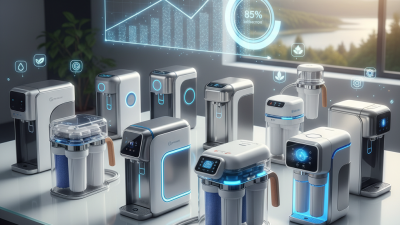
Water filters are essential for every household. They ensure that the water you drink and use is clean. There are various types of home water filters, each with unique advantages.
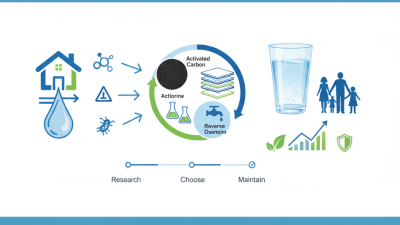
Activated carbon filters are popular. They effectively remove chlorine, sediment, and other impurities. These filters enhance the taste and odor of water, making it more enjoyable to drink. However, they need regular replacement. Forgetting this can lead to reduced effectiveness.
Reverse osmosis systems are another option. They eliminate a wider range of contaminants. Heavy metals and some bacteria are filtered out through this process. Yet, they can waste water and require maintenance. Consider your usage needs before choosing this type. Overall, understanding the types of filters can help you make an informed decision for your home.
How to Choose the Right Water Filter for Your Home
Choosing the right water filter for your home can feel overwhelming. There are so many options available. Start by understanding your specific needs. Consider factors such as the source of your water and any contaminants you wish to remove. For some, a simple pitcher filter suffices. Others may require a more complex system.
Next, evaluate filtration methods. Activated carbon filters are great for removing chlorine and taste. Reverse osmosis systems eliminate a broader range of impurities. Each method has its pros and cons. For instance, reverse osmosis wastes water and can be expensive. Think about your budget and lifestyle.
Finally, installation and maintenance are crucial. Some filters require professional installation, while others are easy to set up on your own. Regular maintenance is critical too. Forgetting to change filters can lead to poor water quality. Take time to research each option carefully. Your family's health depends on it.
Cost-Effectiveness of Installing a Water Filter System
Investing in a water filter system for your home is a practical decision. According to a study by the Environmental Protection Agency (EPA), nearly 85% of U.S. households rely on municipal water systems. However, many of these systems do not adequately remove contaminants. A home water filter can significantly improve water quality and safety.
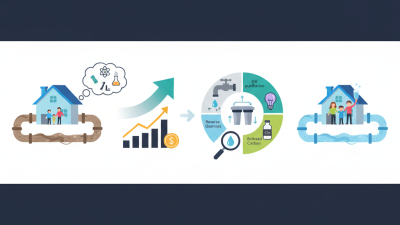
The cost-effectiveness of installing a water filter is impressive. A report from the Water Quality Association (WQA) indicates that homeowners can save over $600 annually by reducing bottled water purchases. Long-term, this equates to thousands of dollars. Even a simple filter can significantly lessen health risks from lead and chlorine.
Filtering your water will lead to healthier choices without breaking the bank.
However, the initial investment can be daunting. Many overlook the maintenance costs associated with filters. Regular replacement of cartridges can add up over time. It's essential to understand what works best for your needs. Balancing quality, cost, and convenience is key.
Investing in a water filtration system today seems beneficial, yet some homeowners hesitate. Understanding the long-term value is crucial.