Mild Steel Coil Best Buying Guide for Global Importers?
Mild Steel Coils have become a crucial component in various industries around the globe. With an increasing demand, understanding how to effectively import these materials is essential. Industry expert John Smith, a veteran in the steel market, states, “Navigating the Mild Steel Coil market requires both knowledge and foresight.” His words highlight the complexities faced by importers in this sector.
In today’s competitive landscape, choices can be overwhelming. An importer must consider factors like quality, pricing, and supplier reliability. Mild Steel Coil, while versatile and durable, presents a range of options that can confuse newcomers. It’s not just about choosing the cheapest option; one must assess long-term benefits and potential pitfalls. Importers often wrestle with finding a balance between cost and quality.
Furthermore, the procurement process can be fraught with challenges. Fluctuating global prices, supply chain issues, and varying standards add layers of complexity. Reflecting on these hurdles is crucial for success. Reliable sources of information and trusted suppliers can mitigate risks. As the demand for Mild Steel Coils continues to grow, informed decision-making becomes paramount for global importers.
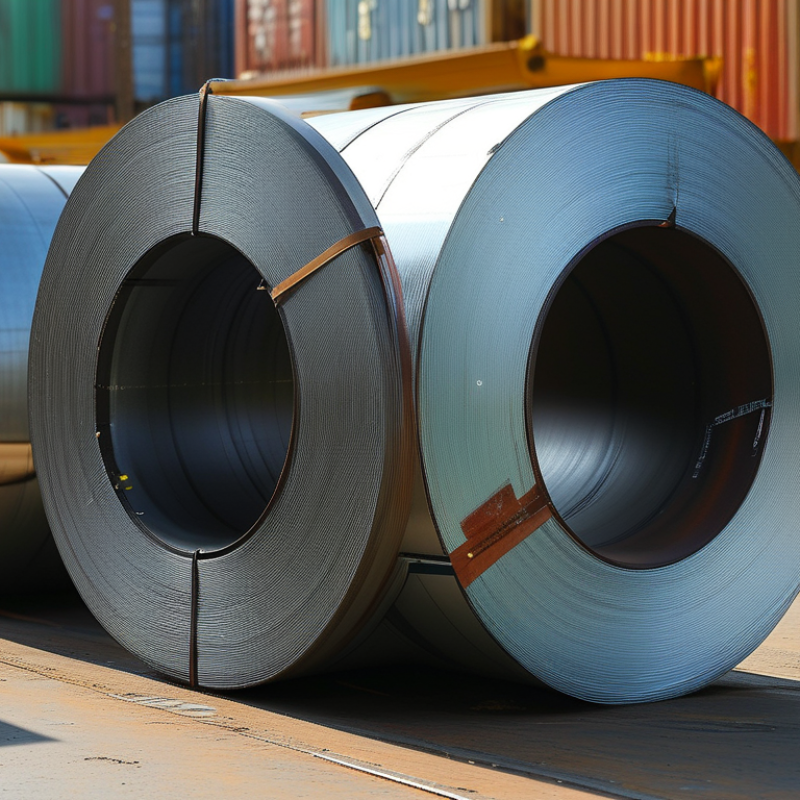
Understanding Mild Steel Coil Specifications for Importers
When importing mild steel coils, understanding specifications is crucial. Different grades define their strength, ductility, and weldability. Buyers should focus on parameters like thickness, width, and yield strength. For example, coils can range from 0.3 mm to over 10 mm in thickness.
Tips: Always double-check the certification of the products. Ensure the specifications match your project requirements.
Chemical composition is another critical factor. Different alloys can affect the durability and corrosion resistance of the material. Importers must analyze whether the coil meets industry standards. Sometimes, suppliers may offer variations that seem appealing but lack quality.
Tips: Compare multiple suppliers. A visual inspection can help, though not all issues are visible. Consider testing samples before making a bulk purchase.
Key Industry Standards and Certifications for Steel Importation
When importing mild steel coils, understanding industry standards and certifications is crucial. Buyers must be aware of the guidelines set by various organizations. These guidelines help ensure the quality and safety of steel products. One essential standard is the ASTM A1008/A1008M. This standard covers the specifications for cold-rolled steel sheets and coils. It includes requirements for mechanical properties, chemical composition, and surface quality. Knowing these requirements can prevent costly mistakes during the import process.
Additionally, certifications like ISO 9001 can signal a manufacturer's commitment to quality management. Importers should focus on suppliers with these certifications. However, relying solely on certifications can lead to complacency. An audit of the supplier's production processes may reveal gaps. Regular assessments and quality checks are essential. This ensures that the materials meet expectations. Not every supplier maintains the same standards, which may lead to inconsistent quality.
Local regulations also play a significant role. These regulations can vary greatly between countries. Importers must familiarize themselves with compliance requirements in their target markets. It’s a complex landscape that requires diligence and ongoing education. Only then can importers confidently select reliable sources for mild steel coils.
Mild Steel Coil Import Trends by Region
Market Analysis: Global Demand and Pricing Trends for Mild Steel Coils
The market for mild steel coils has seen varying trends in global demand and pricing. As construction and manufacturing activities pick up post-pandemic, the appetite for mild steel coils continues to grow. Economies are recovering, and players in various sectors need these coils for their operations. It's pivotal to recognize the volatility in prices influenced by supply chain disruptions, tariffs, and fluctuating raw material costs.
Understanding the pricing trends is crucial for importers. The prices can shift based on geographic demand, economic indicators, and seasonal factors. Currently, some regions show higher demand, while others experience a surplus of supply. Inconsistencies in global logistics also affect availability. Price predictions can be tricky. Monitoring market trends regularly helps mitigate risks related to sudden price changes and allows informed purchasing decisions.
Importers should also consider the quality and specifications required for their projects. Not all mild steel coils are created equal. Different grades cater to varying applications. Verifying the source of materials ensures reliability, yet not all suppliers provide transparent data. Establishing long-term relationships with trusted providers can aid in securing better rates and consistent quality.
Supplier Evaluation Criteria for Reliable Mild Steel Coil Purchases
When considering suppliers for mild steel coils, it's crucial to establish solid evaluation criteria. A robust assessment helps ensure reliability and quality. Look for suppliers with certifications and industry experience. They should have a proven track record in delivering products that meet international standards. For example, checking customer reviews can provide real insights into their reliability.
Additionally, communication plays a vital role. Engage with potential suppliers to gauge their responsiveness. During initial conversations, assess how well they understand your requirements. A supplier’s willingness to adapt to specific needs often indicates their level of commitment. Be cautious if a supplier seems evasive about their production processes or sourcing materials.
Price is an important factor, but shouldn’t be the sole criterion. Understand the balance between cost and quality. Some suppliers may offer lower prices but compromise on quality, leading to future issues. Reflecting on past procurement experiences can provide valuable lessons. Make decisions based on a holistic view, considering factors beyond just the bottom line.
Import Regulations and Compliance for Mild Steel Coil Transactions
When importing mild steel coils, understanding import regulations is crucial. Different countries have specific compliance requirements. Knowing these rules can save time and avoid costly mistakes.
Customs documentation is one area that requires attention. Accurate certificates of origin, quality assurance, and compliance declarations are essential. Missing or incorrect documents can lead to delays. Each country has its own process, which can be daunting for newcomers. It's wise to connect with local experts or customs brokers to navigate complex regulations.
Additionally, tariff classifications can vary greatly. Misclassifying your product may result in unexpected duties. Researching the correct codes might seem tedious but is necessary. Don't hesitate to seek advice from industry professionals. They can provide insights into best practices and highlight common pitfalls. Engaging with online communities can also shed light on shared experiences. Ultimately, staying informed and proactive will streamline the import process.