What is a Load Isolation Switch and Why is it Important?
Load Isolation Switches play a crucial role in electrical systems. These devices allow for the safe isolation of electrical loads, protecting equipment and personnel during maintenance or emergencies. Experts like Dr. Emily Harris, a renowned electrical engineer, emphasize their importance. She states, "A Load Isolation Switch is not just a safety device; it's a fundamental requirement for safe electrical management."
In industrial settings, Load Isolation Switches prevent equipment damage by allowing safe control over electrical circuits. They can isolate sections from the main supply, ensuring that technicians can work without risk of accidental energization. This increased safety helps create a more reliable working environment. The necessity for Load Isolation Switches cannot be overstated, yet not all facilities prioritize their implementation.
However, many companies overlook their significance. Some may view them as an unnecessary expense rather than an investment in safety. This mindset can lead to dangerous situations. Organizations must reflect on their approaches to electrical safety. Ensuring proper use of Load Isolation Switches is essential for protecting both workers and equipment.
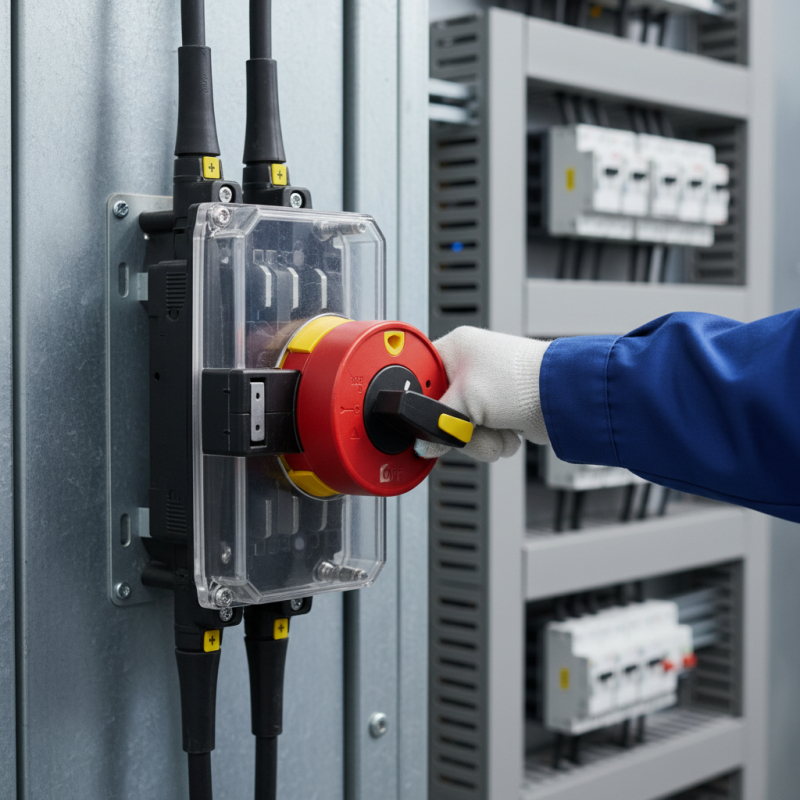
Definition and Functionality of a Load Isolation Switch
A load isolation switch is a crucial component in electrical systems. It serves as a disconnecting device, enabling safe maintenance or repairs. When activated, it completely isolates the load from the power source. This functionality ensures that electrical appliances and systems can be serviced without the risk of electric shock or equipment damage.
These switches are vital in commercial and industrial settings. They help protect equipment from overloads and short circuits. By managing the power supply, they enhance the safety and reliability of operations. Their placement in an electrical circuit can prevent severe incidents and downtime. In homes, they contribute to the overall electrical safety, allowing homeowners to control circuits effortlessly.
Tip: Regularly inspect your load isolation switches. Look for any signs of wear or damage. Timely maintenance can prevent bigger issues.
Another aspect to consider is that not all load isolation switches are created equal. Some may not provide adequate isolation or durability. It is essential to choose the right type for your specific application.
Tip: Consult with a qualified electrician when selecting a load isolation switch. Professional input can help ensure that you make an informed decision.
In conclusion, understanding the definition and functionality of a load isolation switch can enhance safety and efficiency in electrical systems.
Key Components of a Load Isolation Switch
A Load Isolation Switch (LIS) is essential for managing electrical systems. Its key components ensure safety and reliability in various applications. One significant part of an LIS is the switch mechanism itself, which allows operators to disconnect power from the system. This disconnection is crucial during maintenance or troubleshooting. According to industry data, nearly 30% of electrical accidents are due to improper isolation and maintenance practices.
Another critical component is the enclosure. The enclosure protects the switch mechanism from environmental factors. High-quality enclosures can resist dust, moisture, and corrosion. Research shows that equipment failures related to environmental exposure can lead to costly downtime, estimated at around 20% of maintenance budgets in some sectors.
The presence of indicator lights is also notable. These lights show the switch's status, aiding quick decision-making. Visual signals reduce human error. Despite advances, many facilities still overlook the importance of proper signage and visibility of these components, leading to potential safety hazards. Ignoring these factors compromises the effectiveness of the Load Isolation Switch.
Benefits of Using Load Isolation Switches in Electrical Systems
Load isolation switches play a critical role in electrical systems. They allow for safe control of electrical circuits. These switches help disconnect loads during maintenance, minimizing risks. According to a report by the National Fire Protection Association, electrical malfunctions account for roughly 15% of fires in commercial properties. This highlights the significance of using proper isolation equipment.
Employing load isolation switches can lead to fewer operational interruptions. A study by the International Electrotechnical Commission found that using these switches can reduce downtime by 30%. This is crucial for industries that rely on continuous power supply. Moreover, load isolation switches improve safety by preventing accidental energization. Workers can perform their tasks without the fear of surprising electrical surges.
However, not all operators understand their importance. Many overlook the need for regular maintenance checks on these switches. This can lead to unexpected failures during crucial moments. Emphasizing education on load isolation practices can foster a safer work environment. Investing in proper isolation technologies is a step towards enhancing workplace safety and efficiency.
What is a Load Isolation Switch and Why is it Important?
| Feature | Description | Benefits |
| Safety | Provides a means to safely isolate electrical loads for maintenance. | Reduces risk of electrical accidents during servicing. |
| Control | Enables operators to quickly disconnect loads from the power source. | Facilitates better control over electrical systems. |
| Maintenance | Allows for safe inspection and servicing of electrical equipment. | Increases equipment lifespan through regular and safe maintenance. |
| Compliance | Helps organizations comply with electrical safety regulations. | Avoids legal issues and enhances workplace safety culture. |
| Energy Efficiency | Enables disconnection of non-essential loads during downtime. | Contributes to reduced energy costs and improved efficiency. |
Safety Considerations and Best Practices for Load Isolation Switches
Load isolation switches are essential for ensuring safety in electrical systems. They disconnect electrical loads from the power source, enabling safe maintenance and reducing risk of electrical shock. According to the National Electrical Safety Foundation, improper handling during maintenance can lead to serious accidents, affecting over 1,000 workers annually. Using load isolation switches can significantly cut down these incidents by creating a safer working environment.
When installing load isolation switches, certain best practices should be observed. They must be easily accessible and clearly labeled. Proper labeling minimizes confusion and aids quick identification. Inadequate labeling can lead to improper use, increasing the risk of accidents. Data from the Electrical Safety Foundation International highlights that 30% of electrical injuries occur due to miscommunication during operational procedures. Regular inspections and testing of these switches ensure they function as intended, reducing hazard risks.
Training for personnel who work with electrical systems is crucial. Many workers lack understanding of load isolation switches' importance. According to the Occupational Safety and Health Administration, training can reduce workplace accidents by up to 40%. Organizations should prioritize education on safety practices regarding load isolation. Recognizing the necessity of these switches is key to promoting a culture of safety within electrical environments.
Load Isolation Switch Usage and Safety Considerations
Applications of Load Isolation Switches in Various Industries
Load isolation switches play a crucial role across various industries. They ensure that electrical loads can be safely isolated from the power source. This feature is particularly important in sectors such as manufacturing and healthcare, where equipment uptime is critical. According to a recent report from the International Electrotechnical Commission, nearly 30% of industrial downtime is attributed to electrical failures. Load isolation switches can significantly reduce this risk.
In the healthcare sector, such switches are vital for isolating medical equipment during maintenance. This prevents accidental power interruption to critical systems. A study published in the Journal of Electrical Health Technology notes that integrating robust isolation solutions can improve patient safety by over 25%. In the manufacturing industry, improper load management can lead to irreversible equipment damage. The risk is heightened in facilities where heavy machinery operates. Load isolation switches mitigate this risk by enabling safe maintenance procedures.
Despite their importance, not all facilities have adequately implemented load isolation systems. Some industries still rely on outdated electrical practices. The National Electrical Manufacturers Association highlights that approximately 40% of facilities lack modern load isolation solutions. This gap represents a significant area for improvement. Investing in updated isolation technology is essential for enhancing operational reliability.