How to Choose the Best Vinyl Player Turntable

Choosing a Vinyl Player Turntable can feel simple until you compare cartridges, drive systems, speakers, and prices. A polished wooden plinth may catch your eye, but the parts you cannot see matter just as much. Think about where the player will sit, what equipment you already own, and how often you expect to use it. Small details count: a built-in preamp can simplify setup, while adjustable tracking force may offer more room to upgrade.

Sound is personal. Still, reliable setup and careful handling help any record collection perform well. Check whether the turntable includes a cartridge, dust cover, and clear instructions. Confirm that its outputs work with your amplifier or powered speakers. A model with a USB connection may suit someone digitizing records, but it is not essential for everyone. Keep the budget realistic. You may also need speakers, a cleaning brush, or replacement stylus later.

Listen closely. Compare voices, bass, and surface noise on records you know, if possible. A heavier price tag does not guarantee a better match for your room or taste. Nor does a vintage look guarantee dependable condition. There is no perfect choice. This guide explains the features that deserve attention, the common trade-offs, and the questions worth asking before you buy. Some advice depends on the listener; that is worth admitting. A sensible purchase should make playing records easy, sound consistent, and leave room for enjoyment rather than constant adjustment.
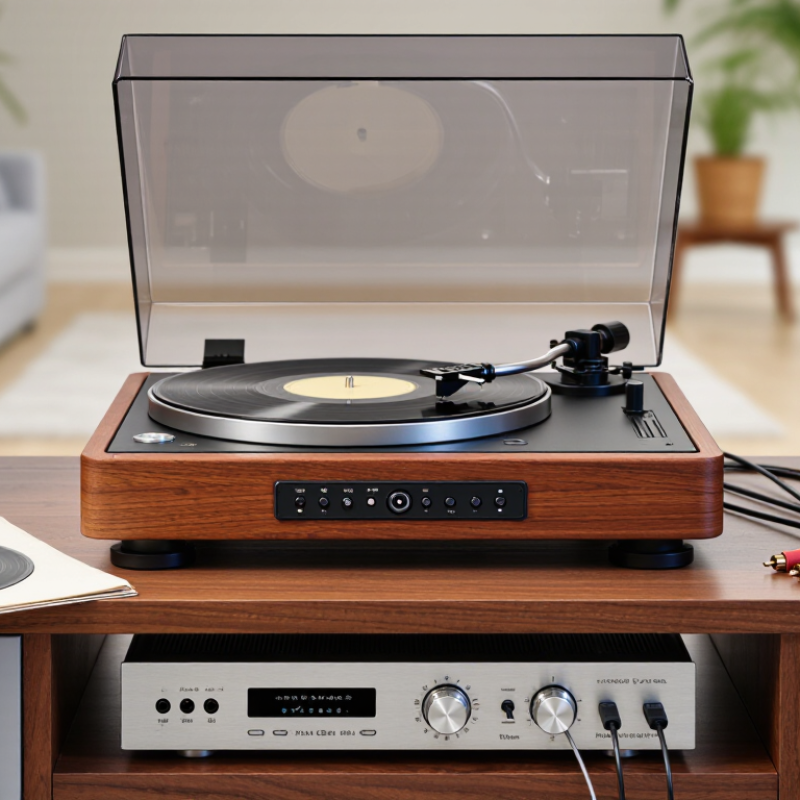
How to Choose the Best Vinyl Player Turntable

Understanding How a Vinyl Turntable Works

How to Choose the Best Vinyl Player Turntable

Understanding How a Vinyl Turntable Works

A turntable turns the grooves in a record into an electrical signal. The platter spins the record at a steady speed, while a stylus follows the tiny grooves. As the stylus moves, the cartridge converts that movement into a signal. That tiny point matters. Dust or a worn stylus can affect playback, so keep records and the needle clean.

The tonearm holds the cartridge and lets the stylus track across the record without dragging freely. A properly balanced tonearm helps maintain consistent contact. Too much tracking force may wear records faster; too little can cause skipping. Setup takes patience. Check the manufacturer’s instructions, and use a tracking-force gauge if one is available.

The signal then needs suitable amplification before it can play through speakers. Some turntables have a built-in phono preamp; others need an external one. The connection must match the rest of your audio system. It is easy to blame the turntable when the sound seems thin, but the preamp, speakers, room, and record condition all play a part. Even a careful setup is not always perfect. Small adjustments can make a noticeable difference.

How to Choose the Best Vinyl Player Turntable — Understanding How a Vinyl Turntable Works
Feature How It Works What to Look For Why It Matters
Platter and motor The motor turns the platter, which supports and rotates the record at a selected speed. Stable rotation at 33⅓ and 45 RPM; a platter that runs evenly without noticeable speed variation. Consistent speed helps preserve musical pitch and timing.
Drive system A belt-drive model transfers motor motion through a belt; a direct-drive model connects the motor more directly to the platter. Choose based on use: belt drive is common for home listening, while direct drive offers quick start-up and is often suited to cueing or mixing. The drive design affects operation, start-up behavior, and maintenance needs.
Tonearm The tonearm holds the cartridge and allows the stylus to follow the record groove as it plays. A steady arm with adjustable tracking force and anti-skate, especially if you plan to change cartridges. Correct setup helps the stylus track the groove reliably and can reduce record and stylus wear.
Cartridge and stylus The stylus traces the groove; the cartridge converts its movement into an electrical audio signal. A replaceable stylus and a cartridge type compatible with the turntable’s tonearm and phono input. The cartridge and stylus influence sound reproduction and are essential parts of the playback system.
Phono preamp A phono preamp boosts the cartridge’s low-level signal and applies the standard playback equalization needed for connection to typical audio inputs. Check whether a phono preamp is built in. If not, use an external phono preamp or an amplifier with a phono input. Without the correct phono stage, the signal may be too quiet and sound tonally unbalanced.
Manual or automatic operation A manual turntable requires the listener to position and lift the tonearm; an automatic model performs some or all of these actions mechanically. Pick the operation style that best matches your preference for simplicity, control, and hands-on use. Operating features affect convenience but do not by themselves determine sound quality.
Outputs and connections Turntables send their audio signal through wired outputs, with connection requirements depending on whether a phono preamp is included. Confirm the output type and whether it works with your amplifier, receiver, powered speakers, or external phono preamp. Compatible connections make setup easier and help avoid buying extra equipment unexpectedly.
Setup and maintenance Playback depends on correct leveling, tracking-force adjustment, stylus care, and a clean record surface. Look for clear setup instructions and parts that can be adjusted or replaced when needed. Proper setup supports dependable tracking and helps maintain records and playback components.

Identifying Your Listening Needs and Budget

Before choosing a vinyl player turntable, think about how you will actually listen. Will it sit on a desk for occasional evening records, or become part of a living-room system? Check the space, too. A player needs a stable, level surface, and nearby speakers can cause unwanted vibration. If you already own an amplifier or powered speakers, confirm that the player’s output will connect properly. Compatibility is easy to overlook.

Set a budget for the whole setup, not just the turntable. You may also need speakers, an amplifier, cables, and replacement records or accessories. A modest setup with a properly adjusted tonearm can be more satisfying than an expensive player paired with unsuitable equipment. Look for clear instructions on tracking force and cartridge replacement. These details affect everyday use. I learned that the hard way.

Tips: Write down your current equipment and the maximum total you can spend. Leave a little room for a record brush or setup help. Then compare features you will use, rather than paying extra for options that sound impressive but sit untouched. You might still change your mind after hearing a setup in person. That is normal.

How to Choose the Best Vinyl Player Turntable

Identify your listening needs and budget with these approximate U.S. price ranges for a starter setup.

A turntable with a built-in phono preamp can connect directly to powered speakers or a compatible audio system. If the turntable does not include one, budget for a separate phono preamp. Prices vary by features, condition, and location; these ranges are general planning estimates, not fixed market prices.

Comparing Turntable Types and Essential Features

Turntable choice starts with how you listen, not how a deck looks on a shelf. Belt-drive models isolate the platter from motor vibration, making them a common choice for relaxed home listening. Direct-drive designs offer quick start-up and steady speed, useful when cueing records repeatedly. Neither type guarantees better sound; setup and condition matter just as much.

Features make the daily difference. A built-in phono preamp connects directly to many powered speakers, while a model without one needs a separate preamp or an amplifier with a phono input. Check that the cartridge is replaceable, the tonearm tracks smoothly, and the platter supports both 33⅓ and 45 rpm records. A hinged dust cover helps keep grit off the stylus. Small detail. Big payoff.

Vinyl remains a substantial format: Luminate’s 2023 Year-End Music Report counted 49.6 million vinyl album sales in the United States. That figure reflects album sales, not turntable ownership, so it cannot tell buyers which features matter most.

For a first setup, prioritize adjustable tracking force and an upgradeable cartridge over decorative extras. Automatic operation is convenient, though its mechanism can limit adjustment on some models. I’d inspect the cueing lever and platter for wobble before buying; specs alone can feel reassuring, but they do not reveal every flaw.

Choosing a Cartridge, Speakers, and Connectivity

A cartridge is the first major choice because it turns groove movement into an electrical signal. Match its output to the turntable’s phono input or a separate phono preamp. Moving-magnet cartridges are often easier to set up and maintain; moving-coil designs may need more specialized support. Check the cartridge’s recommended tracking force, then set it with a small stylus gauge rather than guessing. Tiny adjustments matter. A poorly aligned stylus can sound harsh and wear records unevenly. Vinyl remains a substantial format: the Recording Industry Association of America reported $1.4 billion in U.S. vinyl-record revenue in 2023. That figure signals continued demand, not a guarantee that every system needs costly upgrades.

Choose speakers to suit both the room and the turntable’s output. Active speakers have built-in amplification, but confirm that they also include a phono stage if the turntable lacks one. Passive speakers require an amplifier, which adds another connection and setup decision. In a small room, speakers placed on stable stands, away from corners, can produce clearer bass than larger cabinets pushed against a wall. Connectivity deserves a close look. RCA outputs are common; USB can help digitize records, while Bluetooth offers convenience but may compress or alter the signal. Listen with a familiar record at a comfortable volume. I find quick demonstrations imperfect, though. A shop’s room rarely sounds like home, and the right setup may take a little adjustment.

Checking Setup Requirements and Long-Term Care

A vinyl player needs more than a level surface. Check whether its output requires a separate phono preamp, and match the cartridge to the tonearm before buying. Set the player on a firm shelf, away from speakers that could send bass vibrations back into the stylus. A small bubble level helps; a tilted platter can make tracking inconsistent. The RIAA’s 2023 year-end report recorded US vinyl revenue above $1.4 billion, a sign that records remain a substantial part of the music market. That figure does not measure player reliability, but it makes careful setup worth considering.

Tips: Keep a carbon-fiber brush near the turntable and sweep records before each play. Follow the cartridge maker’s tracking-force range with a small stylus gauge, rather than guessing by eye. Dust the stylus gently from back to front; sideways pressure can damage its cantilever. Store records upright, away from heat and direct sunlight. Simple habits. They add up.

For long-term care, check platter speed occasionally with a strobe disc or a reliable speed-measuring app. Listen for new hum, skipping, or uneven playback, and inspect connections before replacing parts. Clean records with a suitable record-cleaning method, then let them dry fully before sleeving. Replace a worn stylus according to its maker’s guidance; playing time and dust affect wear. I still find it easy to postpone cleaning when a favorite record is waiting. That is not ideal, but routine care is easier when supplies stay within reach.

Build your system. Protect your boat. Join the movement.

Compare Products
Talk to Sales