2026 How to Choose the Best Injection Molding Process?
Choosing the right injection molding process in 2026 can greatly impact product quality and manufacturing efficiency. With many options available, understanding each method’s unique benefits and limitations is crucial. Insert Injection Molding, for example, combines plastic parts with metal or other inserts, offering strong bonds and part stability. This method excels in creating durable components but may increase production complexity. Experienced manufacturers often weigh factors like material compatibility, cycle time, and part design during selection. While Insert Injection Molding provides precision, it may not suit every project due to cost or design constraints. Careful analysis is necessary to avoid overlooked challenges that can affect long-term performance. This guide aims to offer reliable, expert insights to help you navigate these choices confidently. Some aspects may require revisiting as technology evolves or project scopes change.
Understanding Injection Molding: Fundamentals and Types
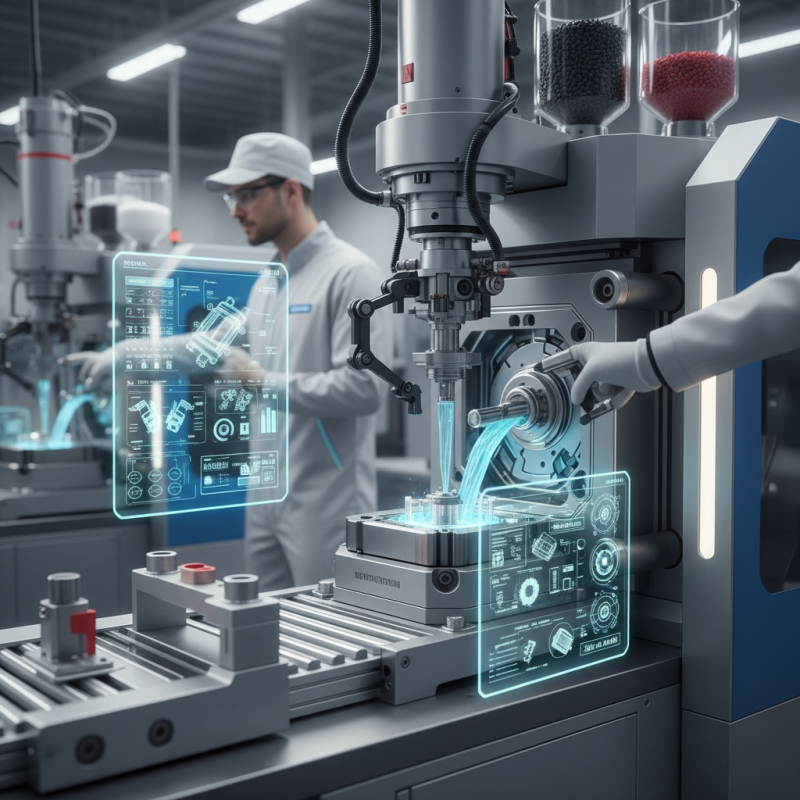
Injection molding is a versatile manufacturing process. It involves injecting molten material into a mold to produce objects. This method is widely used for creating plastic parts in various industries, such as automotive and consumer goods. Understanding the fundamentals of injection molding is crucial. There are different types of this process, each suited for specific applications.
One common type is thermoplastic injection molding. It involves heating plastic granules until they melt. This melted plastic is then injected into a mold to form the desired shape. Another type is thermosetting injection molding. In this technique, materials harden after heating. The initial melting process is followed by a chemical reaction that creates a durable final product. Each method has unique characteristics and limitations that should be carefully assessed.
Choosing the right injection molding process requires expertise. Factors like production volume and material properties play a significant role. While thermoplastics offer flexibility, thermosetting plastics can provide better heat resistance. Various details, such as mold design and cooling time, also impact the quality of the final product. It's important to reflect on these aspects to select the best fit for your needs.
Evaluating Your Project Requirements for Injection Molding
When evaluating your project requirements for injection molding, clarity is essential. Start by defining your product's purpose and specifications. Consider factors like material choice, production volume, and tolerance levels. Each of these aspects will influence the type of injection molding process you select. Different processes cater to diverse needs, and the wrong choice can lead to significant cost overruns.
Understanding the desired output is equally critical. Ask yourself questions about design complexity. Will your design require intricate detailing, or is it relatively straightforward? This can dictate whether you choose standard injection molding or something more advanced like multi-material injection molding. Analyzing these elements facilitates informed decision-making and helps avoid potential pitfalls.
Moreover, consider the timeframes involved. Production lead times can vary significantly based on process choice. A thorough assessment of deadlines could lead you to rethink your initial approach, especially if speed is a priority. Sometimes, a seemingly minor detail can impact your overall timeline. Reflect on all project requirements holistically to ensure you choose the best injection molding process for your needs.
Key Factors to Consider When Choosing an Injection Molding Process
When selecting an injection molding process, several key factors dictate the best choice. The material type is crucial. For instance, thermoplastics are often preferred for their versatility. According to a 2022 industry report, thermoplastics account for over 70% of the materials used in injection molding. Understanding the mechanical properties required for your end product can guide material selection effectively.
Another factor is the complexity of the part design. Parts with intricate geometries may require advanced mold designs and precise machinery. The average mold cost can be between $5,000 to $100,000, depending on the complexity. It’s essential to weigh the costs against production volume. Production efficiency is also critical. A 2021 study indicated that optimizing cycle times can enhance productivity by up to 30%. However, shorter cycle times might compromise quality. Balancing efficiency and quality is vital.
Lastly, consider the environmental impact of the process. While some techniques offer better material reuse, their cost may be elevated. A survey showed that 45% of manufacturers are now prioritizing sustainability in material usage. This reflects the industry's shift toward greener practices. Assessing all these elements can help you navigate the complexities of injection molding effectively.
Comparing Traditional and Advanced Injection Molding Techniques
When comparing traditional and advanced injection molding techniques, various factors come into play. Traditional methods often rely on established processes that have stood the test of time. These approaches can be cost-effective for small to medium production runs. However, they may lack flexibility in design modifications, which could limit innovation. The machinery used can also be bulky, impacting production floor space.
On the other hand, advanced injection molding techniques utilize cutting-edge technology. These methods often employ computer-aided design and simulation to enhance precision. This allows for intricate designs and faster turnaround times. However, the initial setup costs can be high, which may not be ideal for all businesses. A deeper understanding of material properties is crucial when experimenting with new techniques. Cost analysis also plays a key role, as advanced methods can sometimes lead to unforeseen expenditures. It's essential to weigh the benefits of innovation against the risks of potential delays and overspending.
Selecting the Right Materials for Your Injection Molding Needs
Selecting the right materials for injection molding is essential for achieving optimal results. Understanding material properties can make or break your project. The choice doesn't only affect the product's durability but also impacts cost and lead times. Various plastics are available, each with unique characteristics.
When selecting materials, consider your product's requirements. For example, if it's going to be exposed to heat, choose a high-temperature resistant polymer. If flexibility is crucial, look for elastomers. Not all materials perform the same under stress or temperature changes. Researching how they behave in real-world scenarios helps you make a better choice.
Tips: Always test materials before full-scale production. Small samples help you observe performance and decide if a material meets your needs. Don't overlook the importance of supplier reliability. A good supplier provides support and transparency.
It's important to remember that even great materials may not yield perfect results. Variations in manufacturing processes or equipment can lead to inconsistencies. Stay open to refining your material selection as you gather more experience. Keep a feedback loop active for ongoing improvement. Adaptability leads to better outcomes in injection molding projects.