2026 How to Choose Supermarket Refrigeration Equipment?
Choosing the right Supermarket Refrigeration Equipment is crucial for any grocery business. Dr. Michael Anderson, a leading expert in food preservation technologies, once stated, “The right refrigeration setup can extend product life and enhance consumer experience.” This emphasizes the importance of selecting efficient and effective refrigeration solutions.
In the competitive world of supermarkets, keeping products at optimal temperatures is vital. The right equipment safeguards food safety and quality. However, the choices can be overwhelming. Options range from display cases to walk-in coolers, each with unique features and specifications. Business owners must consider energy efficiency, maintenance needs, and layout compatibility when making their selections.
Investing in Supermarket Refrigeration Equipment is not just about cost but also long-term value. A poorly chosen unit can lead to increased energy bills and spoilage. Reflecting on the past choices can reveal mistakes that should be avoided. Thoughtful research, expert consultations, and understanding customer needs can lead to better decisions. The journey to selecting the ideal refrigeration equipment is complex but essential for success in the supermarket industry.
Factors to Consider When Selecting Supermarket Refrigeration Equipment
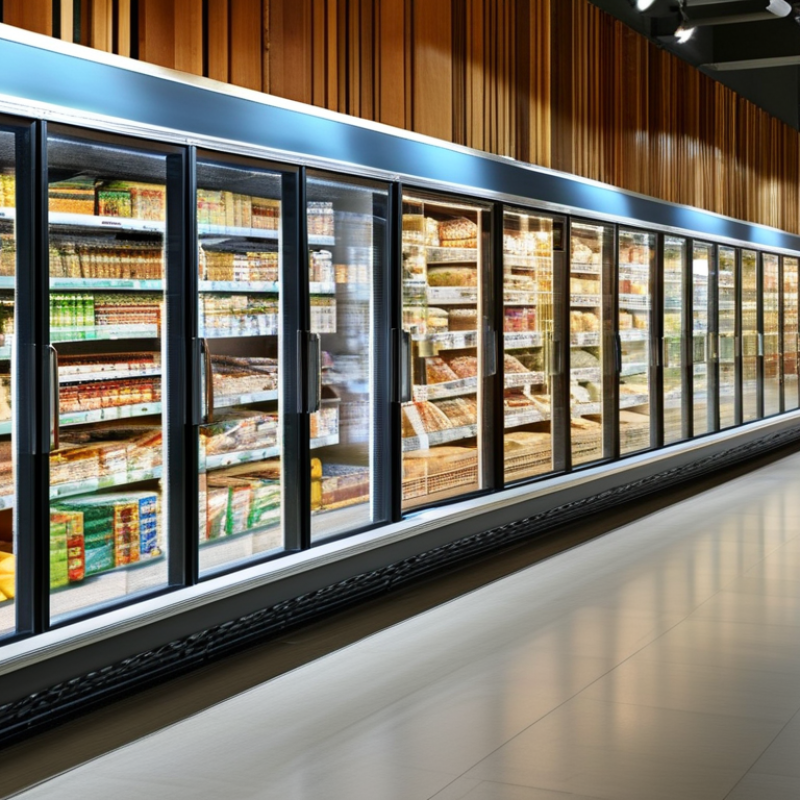
When selecting supermarket refrigeration equipment, several key factors come into play. Efficiency is crucial. Energy-efficient models save on costs and reduce environmental impact. Look for units with high ratings. The capacity of the equipment must align with your needs. Consider the volume of perishable goods you plan to store. Too small doesn’t meet demand; too large wastes energy.
Durability and maintenance are also significant. Choose equipment made from quality materials that withstand daily use. Regular maintenance can prevent costly breakdowns. Think about the layout of your supermarket. The design should allow easy access for both customers and staff. Placement affects customer experience and sales.
Price is important, but it shouldn’t be the only consideration. Sometimes, spending a little more upfront can lead to long-term savings. It’s easy to overlook the details, but small factors, like noise levels and temperature fluctuations, can make a big difference. Reflect on your choices. Quality equipment may require more research but pays off in the long run.
2026 How to Choose Supermarket Refrigeration Equipment?
| Factor | Description | Importance (1-10) | Considerations |
| Energy Efficiency | Assess the energy consumption of the equipment. | 9 | Look for ENERGY STAR ratings or equivalent. |
| Size and Capacity | Choose equipment that fits your space and inventory needs. | 8 | Consider growth and seasonal variations. |
| Temperature Control | Evaluate the stability and range of temperature settings. | 10 | Ensure compliance with food safety standards. |
| Maintenance and Repair | Consider how easy it is to maintain and repair the units. | 7 | Check for local service availability and parts supply. |
| Cost | Analyze the purchase cost versus long-term running costs. | 8 | Include potential savings from energy efficiency. |
Types of Refrigeration Systems Suitable for Supermarkets in 2026
When selecting supermarket refrigeration systems in 2026, various options are available. Energy-efficient systems are becoming increasingly important. According to the International Institute of Refrigeration, commercial refrigeration accounts for nearly 30% of energy use in supermarkets. Utilizing advanced technologies can lead to significant savings.
Transcritical CO2 systems are gaining traction in 2026. These systems operate efficiently even in warmer climates. They are natural refrigerants, aligning with global sustainability goals. Reports indicate that CO2 systems can reduce energy consumption by up to 20% compared to traditional refrigerants.
Furthermore, plug-in cases are popular in smaller supermarkets. They offer flexibility in layout and placement. These units are easy to maintain and can be repositioned as needed. However, they often require more frequent servicing. Supermarkets might overlook this aspect, impacting long-term reliability. Balancing efficiency with maintenance needs is crucial in equipment selection.
Energy Efficiency Ratings and Their Importance in Refrigeration Equipment
Energy efficiency ratings play a crucial role in selecting supermarket refrigeration equipment. These ratings indicate how much energy the unit consumes compared to its output. Higher ratings often mean lower operational costs and reduced environmental impact. It's essential to look for models with Energy Star certification or similar credentials. These indicators usually reveal a unit's efficiency across various operating conditions.
Understanding these ratings is not straightforward. Sometimes, manufacturers use similar terms, which can be misleading. A model with a high rating in one category may not perform well under different conditions. Therefore, conducting thorough research is vital. Analyzing data from independent sources can provide deeper insights. Ask experts or consult industry reports for more reliable information.
Choosing the right equipment involves balancing cost and efficiency. Sometimes, more efficient models come with higher upfront costs. It can be tempting to choose cheaper alternatives. However, this decision often leads to higher energy bills down the line. Reflecting on long-term benefits could lead to more sustainable choices. Consider how efficiency connects to overall sustainability goals. Prioritizing energy efficiency isn't just about saving money; it's also about contributing to a greener future.
Energy Efficiency Ratings of Supermarket Refrigeration Equipment
Cost Analysis: Initial Investment vs. Long-term Savings in Refrigeration
When choosing supermarket refrigeration equipment, cost analysis is crucial. The initial investment can be substantial. High-quality units often come with a higher price tag. However, this upfront cost may lead to significant long-term savings. Energy-efficient models reduce utility bills significantly over time. This reduction directly impacts profit margins.
Maintenance costs are another factor to consider. Reliable equipment may require fewer repairs and less frequent servicing. This can save money in the long run. On the other hand, cheaper units may lead to frequent breakdowns. These interruptions can cost time and money. Additionally, consider the lifetime of the equipment. In many cases, investing in better quality can extend the lifespan.
It's essential to evaluate your specific needs. Think about the types of products stored. Different items may require different temperature settings. Some equipment might offer features you don’t need. Reflecting on your actual requirements is vital. Remember, sometimes less flashy options could be more practical. Balancing initial costs with long-term value is key in this decision-making process.
Regulatory Standards and Compliance for Supermarket Refrigeration Systems
When selecting refrigeration equipment for supermarkets, it's crucial to understand regulatory standards. Compliance with local and national regulations ensures safety and efficiency. Many standards focus on energy use and food safety. Understanding these can seem overwhelming. But it's vital to avoid penalties and ensure customer trust.
Tips: Regular training for staff can help maintain compliance. Provide updates about new regulations in the industry. Encourage staff to ask questions and seek clarifications.
Conducting regular audits can also help. Evaluate your refrigeration systems against standards. Identify areas for improvement. This step might seem cumbersome, but it reveals potential weaknesses. Don't ignore feedback from your team. Their insights can highlight practical compliance challenges you may not see.
Tips: Schedule audits at least twice a year. Document any issues thoroughly. Create actionable plans for resolution. This proactive approach can save you time and resources in the long run.