Why Choose a Hot Die Forging Hydraulic Press for Your Business?
In the competitive manufacturing landscape, choosing the right tools is critical. The hot die forging hydraulic press stands out as a leading choice for many businesses. Industry expert Dr. Emily Chen, a recognized authority in forging technologies, emphasizes, "Investing in the right machinery can significantly elevate production efficiency."
A hot die forging hydraulic press not only increases material strength but also enhances shaping precision. This machinery allows for complex designs that standard forging methods cannot easily achieve. It's designed to withstand high temperatures and provide consistent pressure, making it invaluable in sectors where quality is paramount.
However, selecting a hot die forging hydraulic press requires careful consideration. The initial investment is substantial, and understanding specific business needs is vital. It's important for companies to analyze the long-term benefits versus the costs. Embracing innovation can lead to substantial improvements, but not all machines are created equal. Businesses must remain diligent in their search for the right technology that aligns with their goals.
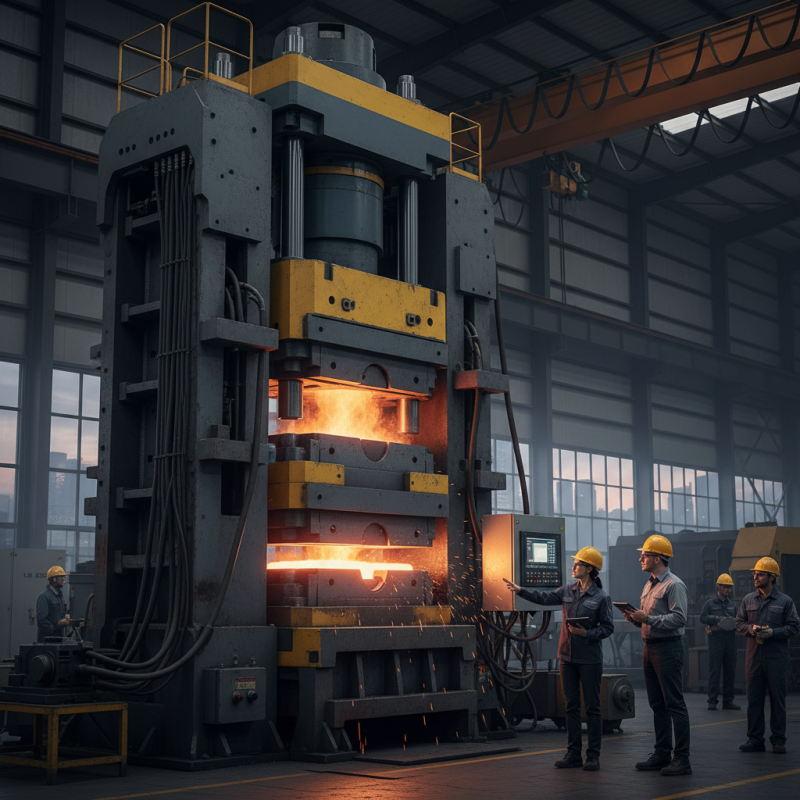
Understanding Hot Die Forging and Its Importance in Manufacturing
Hot die forging is a critical process in manufacturing. This technique uses high temperatures and pressure to shape metals into desired forms. It enhances the material’s strength and durability. Many industries, including automotive and aerospace, rely on this method for producing essential components. The importance of hot die forging cannot be overstated. Components made through this process often undergo less wear and tear. They can withstand extreme conditions, which is vital for safety and performance.
When choosing a hot die forging hydraulic press, understanding its operation is key. These presses apply immense force to mold heated metals precisely. Operators need to monitor temperature and timing closely. A slight error can compromise the quality of the final part. Therefore, training and experience are essential in this field. Machines must be regularly maintained for optimal performance. Any malfunction can lead to costly delays and defects in production.
Despite its many benefits, hot die forging poses challenges. The initial setup and tooling can be expensive. Companies must consider the long-term return on investment. Additionally, mastering this technique requires skilled operators. Finding the right talent can be challenging. However, the advantages often outweigh these hurdles. By investing in hot die forging, businesses can produce high-quality products that meet demanding specifications.
Why Choose a Hot Die Forging Hydraulic Press for Your Business?
| Category | Description | Benefits | Applications |
| Process | Hot die forging involves shaping metal using high temperature and pressure. | Improved material properties, reduced machining time. | Automotive parts, aerospace components. |
| Machinery | A hydraulic press used to apply significant force for forging. | Higher precision, flexibility in production. | Industrial machinery, tools. |
| Material | Commonly used materials include steel, aluminum, and titanium. | Enhanced strength and toughness in finished products. | Construction, energy sectors. |
| Cost Efficiency | Initial investment can be high but pays off with mass production. | Lower production costs in high-volume manufacturing. | Mass production industries. |
Benefits of Using a Hydraulic Press for Hot Die Forging Applications
Hot die forging is a critical process in manufacturing. Utilizing a hydraulic press for this application brings several advantages. The hydraulic press generates immense pressure, allowing for precise shaping of metals. This level of accuracy is vital for producing intricate components that meet exact specifications. The ability to handle a variety of materials, from steel to aluminum, makes hydraulic presses versatile.
Using a hydraulic press also enhances productivity. The speed at which the press operates can significantly reduce production time. This efficiency leads to lower costs per unit, benefiting overall profitability. However, operators must be trained effectively. Misusing the equipment can lead to defects and safety hazards. Regular maintenance is also crucial to ensure reliable performance. Although hydraulic presses are an investment, the long-term returns often justify the initial costs.
With the proper knowledge and practices, a hydraulic press becomes a powerful asset in hot die forging. Its enhanced capabilities open new possibilities for businesses looking to improve quality and efficiency. As industries evolve, so must the tools we use. The lessons learned from operating these presses can lead to strategic improvements in production processes. A commitment to continuous learning and adaptation is essential for success.
Key Features to Look for in a Hot Die Forging Hydraulic Press
When selecting a hot die forging hydraulic press, key features are paramount for operational efficiency. The press's tonnage capacity is crucial, as it should align with your production needs. Reports indicate that presses with a capacity of 1,500 tons or more dominate in industries like automotive manufacturing, where higher stress and durability are essential.
Another important aspect is energy efficiency. Hydraulic presses with advanced energy-saving technologies can reduce operational costs. For example, machines designed to recycle hydraulic fluid can save up to 30% on energy bills. Additionally, the press's cycle time can significantly impact production speed. A press with a quick cycle time can enhance throughput, making it vital for high-demand environments.
However, maintenance can present challenges. Regular upkeep is necessary to prevent downtime, which can affect productivity. Choosing a model with easy access to components for maintenance is essential. Also, consider the technical support offered. Reliable service can mitigate potential issues, ensuring uninterrupted operations.
Key Features of Hot Die Forging Hydraulic Press
Cost-Effectiveness of Implementing Hydraulic Press Technology
Investing in hot die forging hydraulic presses can drastically reduce operational costs for many businesses. These machines optimize production efficiency through rapid cycle times and reduced scrap rates. Manufacturers can achieve higher output without compromising quality. The initial investment may appear significant, but the long-term savings often outweigh this expense.
Consider the maintenance costs associated with hydraulic presses. They are generally lower than other forging methods. This reliability contributes to less downtime and improved productivity. Furthermore, these presses can handle a variety of materials, making them versatile tools for many industries. The adaptability leads to reduced inventory costs as fewer specialized machines are needed.
However, it’s essential to assess the specific needs of your operations. Not every business may require such advanced technology. It’s crucial to evaluate the potential return on investment before making a decision. While the benefits are clear, proper analysis ensures that companies do not overextend their budgets or capabilities. Understanding your unique requirements can lead to more informed decisions.
Applications and Industries That Benefit from Hot Die Forging Processes
Hot die forging is essential in various industries, providing strength and durability to components. Automotive, aerospace, and oil and gas sectors commonly use hot die forging. According to a report from the Engineering Supply Chain, the global hot forging market is expected to grow by 5% annually. This increase is driven by the rising demand for high-performance materials.
In the automotive industry, hot die forging creates intricate parts like crankshafts and gears. These components often require resilience under immense pressure. The Asian Automotive Manufacturing Association notes that 60% of new vehicles are designed with forged components. This shift reflects the industry's commitment to quality and longevity.
Aerospace also benefits significantly. Forged parts can withstand extreme conditions. A report by the Aerospace and Defense Market indicates that the need for durable, lightweight materials will only increase. Hot die forging satisfies this need, providing critical components for aircraft engines and landing gear. However, challenges remain in reducing costs and improving energy efficiency, prompting ongoing research and development in the sector.