10 Essential Tips for Choosing the Right Double Ended Dowel Pin?

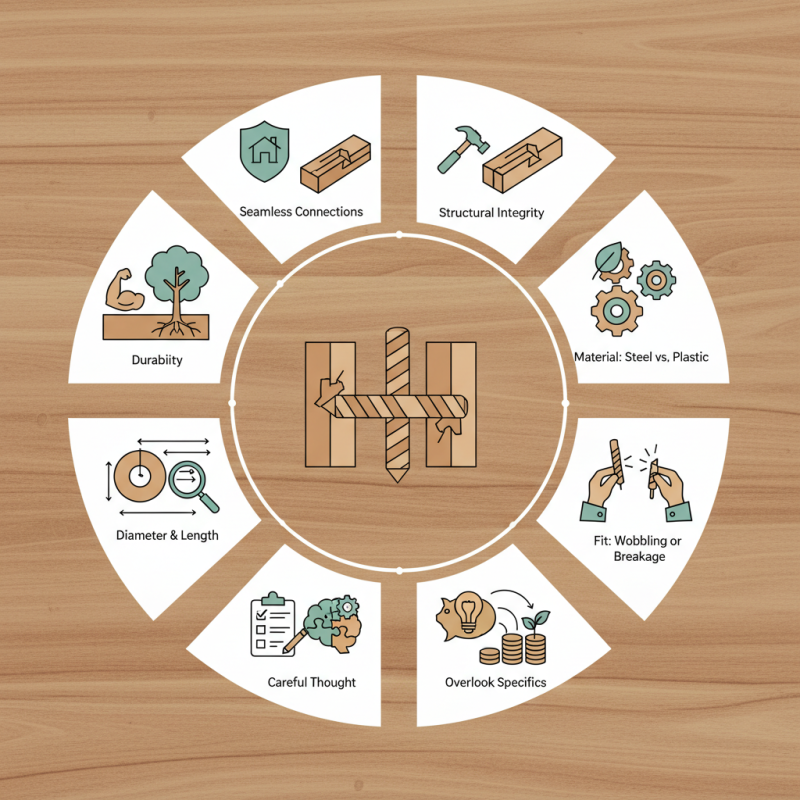
When selecting a Double-Ended Dowel Pin, understanding its features is crucial. These pins play a vital role in woodworking and furniture assembly. They ensure seamless connections and enhance structural integrity. However, not all dowel pins are created equal. The right choice can significantly impact your project’s outcome.

Consider the material of the Double-Ended Dowel Pin. Options range from steel to plastic, each offering different strengths and applications. Additionally, the diameter and length are critical dimensions. A poor fit can lead to wobbling or breakage, undermining your efforts. This is where attention to detail matters.

Ultimately, selecting a Double-Ended Dowel Pin requires careful thought. It's easy to overlook specifics. Yet, the right pin is essential for durability. Take the time to assess your needs. A thoughtful decision here will pay dividends in your projects.
10 Essential Tips for Choosing the Right Double Ended Dowel Pin?

Understanding the Basics of Double Ended Dowel Pins

Double ended dowel pins are essential components in woodworking and manufacturing. They play a crucial role in aligning and securing two separate pieces of material. Understanding their basics helps in making informed choices.

When selecting double ended dowel pins, consider the material. Pins come in various materials, including wood, metal, and plastic. Each material serves different uses. Wood pins are ideal for furniture making. Metal pins, on the other hand, provide strength for industrial applications.

Keep in mind the diameter and length. Ensure that they fit securely into your workpieces. An appropriate fit guarantees stability and strength. Inspect the finish of the pins; a smooth surface leads to better alignment. Take note: longer pins may offer more strength but can complicate alignment.

Remember to also evaluate the environment where the dowel pins will be used. Some materials withstand moisture better. Always consider potential expansion or contraction. Test samples beforehand to identify any issues. This practice will minimize surprises and enhance your projects' quality.

Material Considerations for Durability and Functionality

When choosing a double-ended dowel pin, material plays a crucial role. Different materials yield varied levels of strength, durability, and resistance to corrosion. For example, stainless steel provides excellent corrosion resistance for outdoor applications. However, it can be more expensive than other options. Wood dowel pins, while cost-effective, may not withstand heavy loads over time.

Consider the environment where the pins will be used. If they will be exposed to moisture, moisture-resistant materials are essential. Plastic options can offer some advantages, but their load-bearing capacity may be limited. Weigh the pros and cons of each material carefully. A well-informed choice will enhance product performance.

It's important to acknowledge that no material is perfect. Each has its advantages and limitations. Some users might find that their initial choice does not meet expectations under certain conditions. Ensuring compatibility with the project requirements is key. Assess the specific demands of your application before finalizing your selection.

Sizing and Length Parameters for Optimal Fit

When selecting double ended dowel pins, the sizing and length parameters play a crucial role in ensuring an optimal fit. According to industry reports, incorrect sizing can lead to misalignment and failure in assembly. For instance, a pin that is too short may not provide enough hold, while one that is too long can cause damage to the material. Consider the specific dimensions of your application to avoid these pitfalls.

Tip: Measure the hole diameter accurately. A snug fit ensures stability. Utilize calipers for precise measurements, especially when working with tighter tolerances.

Length is also vital. A study revealed that 70% of assembly issues stem from inadequate pin lengths. If a pin extends beyond the necessary length, the risk of splitting the material increases. Choosing the right length can save time and costs in rework. It's essential to factor in the thickness of the materials being joined.

Tip: Remember to check potential variations in material thickness. This ensures the pin fits securely without excessive pressure that can lead to material failure.

Ultimately, proper attention to sizing and length can enhance the durability of your assembly, ensuring that your dowel pins serve their intended purpose effectively.

10 Essential Tips for Choosing the Right Double Ended Dowel Pin

Tip Number Tip Sizing Considerations Length Parameters
1 Understand International Standards Follow ISO and ANSI specifications for diameter. Common lengths: 30mm, 50mm, 100mm.
2 Material Selection Choose steel, stainless steel, or plastic based on application. Ensure length matches the thickness of assembled components.
3 Check Tolerance Ratings Select pins with appropriate tolerances for precise fit. Consider variations in length due to manufacturing tolerances.
4 Assess Load Requirements Determine static vs. dynamic load conditions. Select length to ensure adequate engagement in holes.
5 Review Compatibility with Components Ensure pin matches hole size and alignment. Length should accommodate clearance for fit.
6 Consider Surface Treatment Choose coatings for corrosion resistance or lubrication. Length should be consistent with treated surfaces.
7 Evaluate Environmental Factors Determine exposure to chemicals, temperature, and moisture. Adjust lengths to prevent degradation over time.
8 Verify Manufacturer Specifications Check catalog for precise sizing and applications. Length variations can affect performance; verify before ordering.
9 Test Fit Before Final Application Perform test assemblies for fit verification. Adjust length if needed based on fit results.
10 Consult with Experts if Unsure Seek advice on sizing and material selection. Expert guidance can ensure optimal length and fit.

Assessing Load-Bearing Capacity and Performance Requirements

Choosing the right double-ended dowel pin involves careful consideration of its load-bearing capacity and performance requirements. To make an informed decision, it’s crucial to assess the specific demands of your project. For example, if the application requires high strength, select dowel pins made from robust materials. Steel or stainless steel options often provide the needed durability.

Load capacity isn’t the only factor. Analyze how the dowel pins will perform in different conditions. Will they endure repeated stresses? Are they exposed to high temperatures or moisture? Testing the dowel pins under real or simulated conditions can reveal their true performance. This helps in identifying any potential weaknesses.

Many buyers overlook the need for precision. An imprecise fit can lead to structural failures. It's essential to check the diameter and length specifications. While an imperfect fit can seem manageable, it might affect the assembly in unforeseen ways. Pay attention to details in the manufacturing process. Poor quality control can lead to dowel pins that don’t deliver expected results. Investing in quality and ensuring a proper fit can save time and costs in the long run.

Evaluating Surface Finish and Compatibility with Applications

When selecting a double ended dowel pin, surface finish and compatibility with your application are crucial factors. A smooth surface finish minimizes friction during assembly. Rougher finishes can lead to issues such as wear or misalignment. Consider the environment where the dowel will be used. Factors like moisture levels and exposure to chemicals are significant.

Evaluate the specific requirements of your application. Will the dowel pin need to withstand heavy loads? If so, a more robust finish may be necessary. Pay attention to the material used for the pin as well. Different materials offer varying levels of strength and corrosion resistance.

Tip: Always test the dowel pins under actual conditions. This can reveal unforeseen weaknesses. Don’t rely solely on specifications. Trust your observations more than paperwork.

Compatibility with existing machinery is another critical aspect. Ensure that the dowel pin fits seamlessly into your design. Incompatibility can lead to project delays. Sometimes, adapting your process may be the best course. Ask for expert opinions if necessary. Feedback from experienced users can provide insights you might have overlooked.

Surface Finish Evaluation for Double Ended Dowel Pins

Build your system. Protect your boat. Join the movement.

Compare Products
Talk to Sales