Top Tips for Choosing the Right Adjustable MCCB for Your Needs
Choosing the right Adjustable MCCB can be a daunting task. With so many options available, understanding your specific requirements is crucial. John Smith, an industry expert in electrical engineering, emphasizes, “Selecting the right Adjustable MCCB is vital for system efficiency and safety.” His insight highlights the importance of making informed decisions.
When considering an Adjustable MCCB, factors such as load requirements and environmental conditions come into play. Many users overlook these details. A mismatch can lead to inefficient performance or potential hazards. Adjustable MCCBs provide flexibility, but only if chosen correctly. Reflecting on your needs can be challenging, yet it's essential.
Remember, not all Adjustable MCCBs are created equal. Quality varies, and prices can be misleading. Seeking advice from professionals is often recommended. However, it’s equally important to do your own research. Embracing a proactive approach can save you from future complications. Let's explore the key elements to consider when selecting your Adjustable MCCB.
Understanding Adjustable MCCBs: Key Features and Benefits
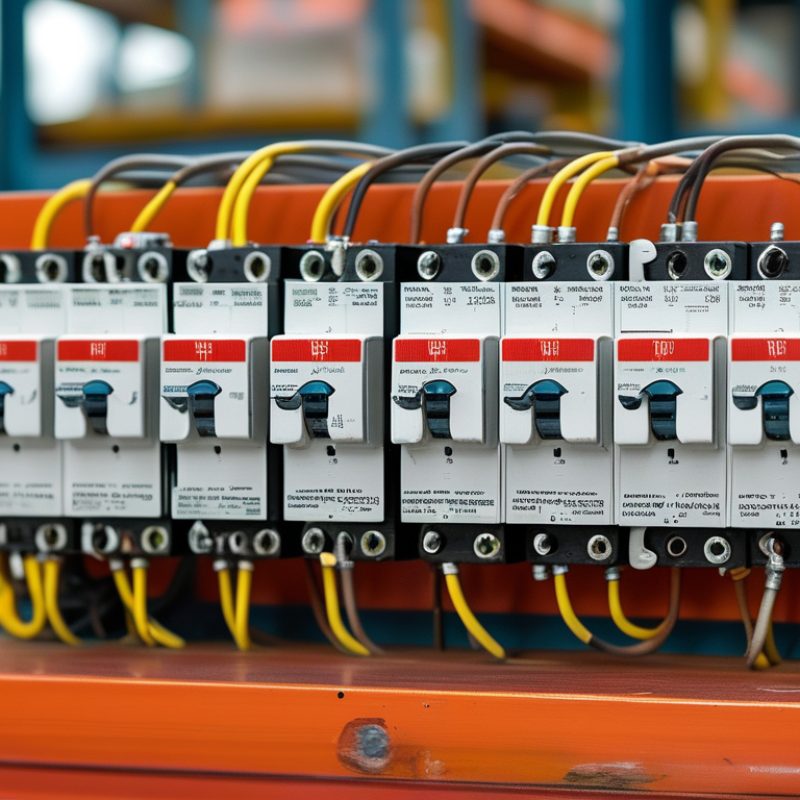
When selecting an adjustable MCCB, understanding its key features is vital. Adjustable MCCBs allow customization of current ratings, which is advantageous for tailored protection. This flexibility helps ensure that the device suits specific applications, whether for residential or industrial environments.
One crucial tip is to assess the load requirements. Knowing the peak demand and typical load helps in setting the appropriate trip settings. Take note of potential overloads during peak times. This knowledge leads to a reliable choice that optimizes safety.
Another aspect to consider is the environment where the MCCB will be installed. Certain features are essential for harsh conditions, such as moisture or high temperatures. Look for enclosures that can withstand these challenges. Keep in mind, selecting the wrong MCCB can lead to costly downtimes and safety hazards. A wrong setting may leave your system vulnerable. It’s important to reflect on your specific needs and the potential impacts of your choices.
Factors to Consider When Selecting an Adjustable MCCB
When selecting an adjustable molded case circuit breaker (MCCB), several factors come into play. Understanding your specific electrical requirements is crucial. Data from the Electrical Safety Foundation International suggests that improper selection can lead to equipment failures and potential safety hazards. Pay close attention to operating voltage, current ratings, and breaking capacity.
One key tip is to evaluate the load characteristics. Consider whether the loads are resistive, inductive, or capacitive. Each type requires different settings on the MCCB. For example, inductive loads may have higher inrush currents, which can trip breakers if not properly adjusted.
Another factor is the environment where the MCCB will operate. If your installation site is prone to dust, humidity, or extreme temperatures, select an MCCB with an appropriate ingress protection rating. Real-world data indicates that improper environmental adaptation can reduce an MCCB's lifespan by up to 30%. Opt for features such as adjustable settings for overload and short circuit protection, allowing for flexibility as operational needs change.
Top Tips for Choosing the Right Adjustable MCCB for Your Needs
| Feature | Description | Importance | Recommended Value |
| Current Rating | Defines the maximum continuous current the MCCB can handle. | High | 25A - 800A depending on application |
| Breaking Capacity | The maximum fault current the MCCB can safely interrupt. | Very High | 10kA - 100kA |
| Adjustable Settings | Allows for customization of trip settings to suit specific load requirements. | Medium | Variable based on loads |
| Mounting Type | Determines how the MCCB is installed (panel, DIN rail). | Low | Standard panel mount or DIN rail mount options |
| Thermal and Magnetic Protection | Provides protection against overcurrent and short-circuit events. | High | Integrated thermal-magnetic options |
| Environment Rating | Defines the environmental conditions the MCCB can operate in. | Medium | IP20, IP65 for outdoor use |
Identifying Your Load Requirements for Optimal MCCB Performance
When selecting an adjustable Molded Case Circuit Breaker (MCCB), understanding your load requirements is essential. Load assessment ensures that the MCCB can handle the expected electrical demands. According to industry standards, a well-calibrated MCCB should accommodate at least 125% of the continuous load. This guideline helps prevent nuisance tripping and enhances the longevity of circuit protection equipment.
It's also important to factor in potential load fluctuations. For instance, an industrial site might experience peak loads during specific operations. Reports indicate that approximately 30% of electrical failures are linked to inadequate load management. Using tools like demand meters can aid in accurately gauging your requirements. Notably, underestimating loads can lead to safety issues and costly repairs.
Ultimately, knowing how your equipment behaves under different conditions can guide better MCCB selection. Consider environmental variables too. High humidity or dusty conditions can affect performance. Recent studies show that environmental stressors can decrease circuit breaker reliability by up to 25%. Balancing load requirements with operational factors is vital for effective MCCB performance.
Comparing Different Brands and Models of Adjustable MCCBs
Choosing the right adjustable Molded Case Circuit Breaker (MCCB) requires a careful comparison of different brands and models. Each brand offers unique features and specifications. It's essential to assess your specific needs first before diving into brand comparisons. For instance, consider the amperage ratings, voltage ratings, and trip settings. Look at the compatibility with your existing systems and the overall configuration requirements.
Some models may boast faster trip times or enhanced protection features. Others might excel in terms of reliability and ease of installation. User reviews can provide insight into each model's performance in real-life situations. However, be cautious; not every positive review reflects real-world performance. Take some time to reflect on trade-offs—like cost versus durability.
While specifications and features are crucial, practical experiences shape your decision, too. Engage with professionals for insights. Their expertise can help navigate the complexities of adjustable MCCBs. Remember, each choice has ramifications in safety and equipment longevity. Embrace the challenge of comparing options, but stay focused on your specific requirements.
Installation and Maintenance Tips for Adjustable MCCBs
When it comes to installing and maintaining adjustable Molded Case Circuit Breakers (MCCBs), attention to detail is vital. Proper installation not only ensures safety but also enhances the reliability of electrical systems. According to industry reports, about 30% of electrical failures arise from improper installation. Ensuring the MCCB is mounted securely and aligned correctly can mitigate risks.
Routine maintenance is equally important. Industry studies show that regular inspections can extend the life of an MCCB by up to 50%. Keep an eye on the contacts and terminals for signs of wear. Corrosion can lead to increased resistance, impacting performance. Consider environmental factors like humidity and dust. These elements may compromise the MCCB's functionality.
Adjustable MCCBs provide versatility, but they also require users to understand their settings fully. Familiarize yourself with trip settings for current and voltage. Misconfiguration can lead to unintended trips or failures. Documentation and training materials are critical. Invest time in understanding the specifications. Skipping this step can result in costly mistakes. In the end, the effectiveness of an adjustable MCCB heavily relies on cautious installation and diligent maintenance.