Choosing the right Fiber Laser Machine can be a daunting task. Many factors come into play, and your specific needs will greatly influence your decision. A quality fiber laser can ensure precision cutting and engraving. It's crucial to understand the various specifications and capabilities before making a purchase.
Different applications may require different features. For instance, the wattage of the machine affects cutting speed. You might find yourself overwhelmed with options. Researching reputable brands and reading user feedback can provide valuable insights. Don’t underestimate the importance of after-sales support and warranty.
Sometimes, a machine might sound perfect but may lack certain functionalities for your projects. Be mindful of budget constraints, as high-priced models aren’t always the best. Take time to assess your long-term goals. By doing so, you can ensure you invest in a Fiber Laser Machine that meets your requirements efficiently. Trust your instincts and gather as much information as you can.
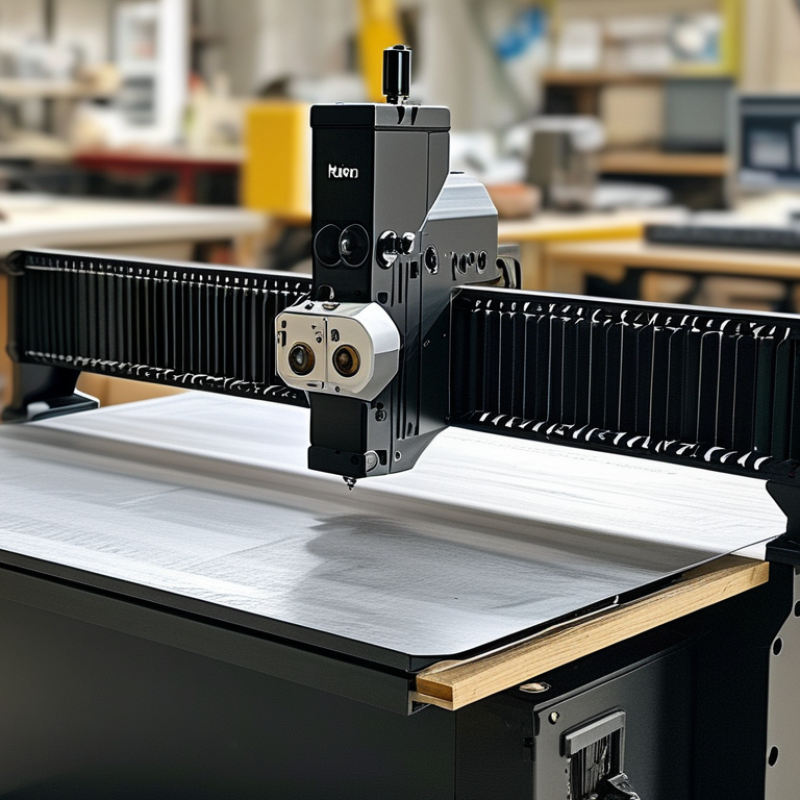
Fiber laser technology has transformed various industries with its precision and versatility. This technology operates by generating light through optical fibers, resulting in high beam quality and efficient energy conversion. Applications range from metal cutting to engraving intricate designs on various materials. Industries such as manufacturing, automotive, and medical benefit significantly from fiber lasers due to their ability to deliver consistent results.
Understanding the underlying principles of fiber lasers is crucial. The laser's wavelength and frequency determine its suitability for different tasks. For instance, shorter wavelengths are advantageous for fine cutting, while longer wavelengths work better for thicker materials. It's essential to consider such factors when selecting equipment. However, the learning curve can be steep, and users may face challenges in optimizing settings for specific applications.
Performance is another crucial aspect. While fiber lasers boast high efficiency, issues can arise with modulation and power stability. Regular maintenance is necessary to ensure optimal functioning. Users often overlook this point, leading to subpar results. Selecting the right machine should balance advanced features with ease of use. This balance minimizes the risk of errors and maximizes productivity in the long run.
Choosing the right fiber laser machine involves several key factors. The first is power output. Different applications require varying power levels. Higher power can cut through thicker materials but might not be necessary for lighter tasks. Consider the materials you'll be working with.
Speed is another crucial aspect. A faster machine can improve productivity but often at a higher cost. Think about how quickly you need to complete projects. If your needs are varied, look for a machine that balances speed with quality. A focus on precision is essential for intricate designs.
Ease of use cannot be overlooked. A complex interface can slow down job completion. Choose a machine that is user-friendly. It’s also wise to think about maintenance. Regular upkeep can prevent breakdowns. These considerations will ensure you select a machine that meets your specific requirements and offers long-term reliability.
When considering different types of fiber laser machines, it's crucial to understand their unique features and applications. Fiber lasers are renowned for their efficiency and precision. There are various types based on output power, wavelength, and cooling systems. For instance, low-power fiber lasers are ideal for engraving and cutting thin materials. In contrast, high-power models excel at heavy-duty cutting and welding applications.
Different machines also vary in terms of beam quality and operational speed. A quality beam ensures clean cuts and minimal material distortion. Speed can significantly impact production efficiency. More powerful lasers might cut faster, but they can also generate more heat, leading to material warping. This aspect is often overlooked and requires careful consideration, especially when dealing with sensitive materials.
Additionally, the choice of the machine should factor in the user’s level of expertise. Some machines have user-friendly interfaces, making them suitable for beginners. Others may require more technical knowledge to operate effectively. This learning curve can affect productivity and overall satisfaction. It's essential to weigh these factors when selecting a fiber laser machine to ensure it aligns with your specific needs and capabilities.
When budgeting for a fiber laser machine, it’s crucial to consider both initial costs and long-term expenses. Reports indicate that fiber laser technology costs between $50,000 and $250,000. This wide range depends on factors such as power output, features, and brand reputation. Companies must assess their specific needs, balancing power requirements with budget constraints.
Beyond the purchase price, consider operational costs, including maintenance and consumables. Research shows that fiber laser machines can have lower operating costs than CO2 lasers, sometimes by up to 30%. This is significant for businesses looking to optimize their expenses. Maintenance may require specialized skills, which can add to costs. Personnel training can further strain budgets.
Exploring financing options can help ease the upfront burden. Some manufacturers offer leasing programs, enabling businesses to allocate funds more flexibly. However, it’s important to scrutinize these options closely. Failure to do so can lead to long-term debt issues. Refining cost estimates and keeping a buffer for unexpected expenses are advised practices.
Maintaining a fiber laser machine is crucial for its performance and longevity. Regular cleaning of optics is essential. Dust and debris can significantly affect cutting quality. Use a lint-free cloth and appropriate cleaning solutions. Ensure all surfaces are free of residue. This simple task can enhance the machine's efficiency.
Check the coolant levels frequently. An adequate coolant prevents overheating and maintains optimal functioning. Failing to monitor coolant can lead to severe machine issues. Refill coolant as needed and monitor its quality. Contaminated coolant can damage components.
Inspect alignment regularly. Misalignment may go unnoticed but can greatly reduce cutting precision. Aligning the laser head ensures accuracy in production. Adjustments should be performed as part of routine maintenance. Finally, keep a maintenance log. This helps track issues and maintenance history. Noting these aspects can guide future care and improve overall machine reliability.
| Dimension | Specification | Maintenance Tips | Recommended Frequency |
|---|---|---|---|
| Laser Power | 500W - 2000W | Regularly check cooling systems | Weekly |
| Cutting Area | 3000mm x 1500mm | Clean the cutting bed | Monthly |
| Beam Quality | M2 < 1.2 | Adjust alignments | Annually |
| Cooling System | Water or Air cooled | Change coolant fluid | Quarterly |
| Software Compatibility | Supports multiple formats | Update software regularly | As needed |
Build your system. Protect your boat. Join the movement.