How to Choose the Best Aluminum Door Lock for Your Needs?
Choosing the right Aluminum Door Lock is crucial for security and functionality. Reports indicate that over 30% of break-ins occur through unsecured doors. In this context, selecting a suitable door lock becomes paramount. The quality and durability of aluminum door locks significantly impact their effectiveness.
Recent studies highlight that over 70% of homeowners prioritize security features when selecting door locks. However, many don't consider the material's impact on lock performance. Aluminum door locks often offer a blend of lightweight design and strength, yet not all options on the market are equal.
When evaluating your options, assess reliability and long-term performance. Some locks may not withstand harsh weather, leading to susceptibility over time. It's essential to match your specific security needs with the right product, which can often be a complex decision. Inconsistencies in product ratings can add to the confusion for buyers.
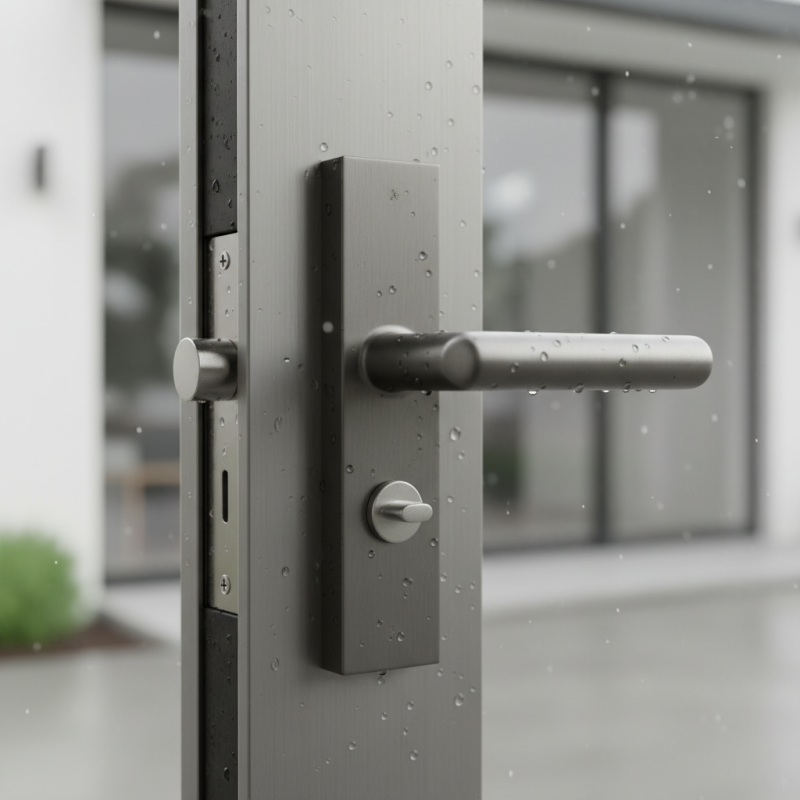
Understanding the Types of Aluminum Door Locks Available
When selecting an aluminum door lock, it’s crucial to understand the various types available. Deadbolt locks provide excellent security. They offer a solid barrier against unwanted entry. These locks are ideal for exterior doors.
Another popular option is the smart lock. These locks come with advanced features. They allow keyless entry through smartphones or keypads. This option adds convenience and modernity to your home. Smart locks can connect to your home security system. But remember to keep software updated for security.
Tips: Always consider your specific needs. Think about the location of the door. High-traffic areas may require a more robust lock. Also, check for weather resistance. Aluminum locks can face wear and tear. Inspect the lock for quality before buying. Avoid locks with flimsy components. Trustworthiness is vital for your home security.
Evaluating Security Features in Aluminum Door Locks
When choosing an aluminum door lock, evaluating security features is crucial. These locks come with various mechanisms, making it essential to understand which features provide the best protection. Look for locks with anti-drill and anti-pick features. These enhancements can significantly increase your door's resistance to tampering. Consider the locking mechanism as well. Deadbolts are often more secure than spring bolts.
Tips: Always check for the certifications of the lock. A lock with a high security rating has undergone rigorous testing. This adds an extra layer of protection against unauthorized access. Installation by a professional can also make a difference. A poorly installed lock is an open invitation to intruders.
Many locks offer additional features such as smart technology. While convenience is appealing, it can introduce new vulnerabilities. Assess your home’s security needs carefully. Think about your living situation and risk factors. A simple lock may suffice in lower-risk areas, while more advanced locks are necessary in busy neighborhoods.
How to Choose the Best Aluminum Door Lock for Your Needs? - Evaluating Security Features in Aluminum Door Locks
| Feature | Description | Importance Level | Average Price ($) |
| Deadbolt | Provides enhanced security by requiring a key or thumb turn to unlock. | High | 50 - 100 |
| Material Quality | High-quality aluminum is resistant to rust and corrosion, ensuring durability. | Medium | 30 - 70 |
| Anti-Pick Features | Features designed to prevent locking mechanisms from being picked. | High | 40 - 80 |
| Warranty | A longer warranty indicates manufacturer confidence in product longevity. | Medium | 10 - 30 |
| Ease of Installation | Locks that are easy to install save time and reduce installation costs. | Low | 20 - 50 |
Assessing Size and Fit for Your Aluminum Door Lock
When selecting an aluminum door lock, size and fit are crucial. A lock must align perfectly with the door's dimensions and thickness. A report from the National Institute of Standards and Technology (NIST) states that improper sizing can lead to security vulnerabilities. Therefore, measuring your door accurately is essential for optimal security.
The backset, or the distance from the edge of the door to the center of the lock, is a key measurement to consider. Standard backsets typically range from 2.375 inches to 2.75 inches. If your door does not conform to these standards, finding a compatible lock becomes more challenging. Inconsistent measurements can lead to significant installation issues down the line.
Tip: Always use a caliper to take precise measurements. Tape measures can be misleading on intricate door designs. Remember to check the door’s thickness, as this influences the lock's compatibility. Picking the right lock for non-standard doors requires careful consideration. There may be limited options, and you might need specialized locks.
Lastly, consider the door’s material. Aluminum doors can vary significantly, which means not all locks will fit seamlessly. It's not uncommon to overlook compatibility, leading to frustrating adjustments during installation. Conduct thorough research and assess your door's specifications before making a decision.
Comparing Price and Quality of Different Aluminum Door Locks
When selecting an aluminum door lock, price and quality are key factors. A recent industry report indicated that over 65% of homeowners prioritize durability. Aluminum locks can be impacted by environmental conditions, leading to potential issues over time. Many locks have a lifespan between 5 to 15 years, depending on their material quality and usage frequency.
Quality often comes at a cost. Professional evaluations show that higher-priced locks typically offer better security features. For instance, locks with anti-pick and anti-drill capabilities are often available in the mid to high price range. A lock priced under $50 may lack these crucial features. In fact, reports suggest that investing an additional 20% in your lock can enhance its longevity and effectiveness.
Choosing the right option doesn’t always mean spending the most. Some affordable models have received positive reviews for reliability. However, it’s crucial to be mindful of the balance between cost and quality. Cheap locks may save money upfront but can result in higher replacement costs later. Reinforcing this understanding can lead to better decision-making for both safety and budget management.
Installation and Maintenance Tips for Aluminum Door Locks
Installing and maintaining aluminum door locks requires careful attention. Start by selecting the right tools. A screwdriver and a drill are essential. Ensure you have a level for accurate alignment. When installing, the lock should be flush with the door. Use shims if necessary. Misalignment can lead to functionality issues over time.
Regular maintenance is crucial. Inspect the lock every few months. Look for signs of wear or rust. Lubricate the mechanisms with silicone spray. Avoid using oil-based products, as they can attract dirt. Clean the door frame to remove debris that may obstruct the lock's operation.
Reflect on the security needs of your home. Sometimes, we overlook smaller details, like the door frame's condition. A sturdy lock on a weak door offers little protection. Address these issues promptly to ensure your lock performs effectively.