How to Choose the Best Water Filter for Your House?
Finding the right water filter for house needs can feel overwhelming. With so many options available, choosing the best one is not straightforward. A reliable water filter improves the quality of your drinking water, but it must also fit your household's specific needs.
Consider the type of contaminants present in your water. Some filters target bacteria and viruses, while others focus on chemicals or heavy metals. This can become confusing. Many individuals may not know what exactly to look for. Researching different types of systems is essential.
Another aspect to consider is the filter's capacity and maintenance requirements. Some models require frequent replacements, while others last longer. This could affect your budget. Evaluating these factors carefully ensures you select a filter that truly meets your needs. Your health and well-being depend on having clean, safe water. Thus, investing time in selecting the right water filter for house use is crucial.
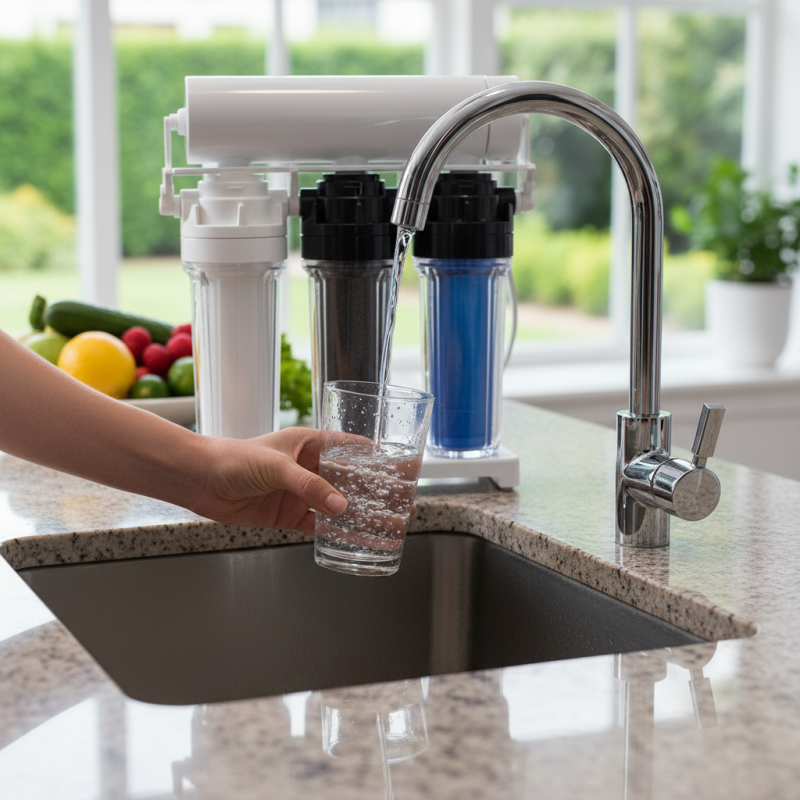
Understanding Your Water Quality and Needs
Choosing the right water filter begins with understanding your water quality and personal needs. Start by testing your water. You can use home testing kits to determine contaminants. Common issues include high chlorine levels, lead, and sediment. Knowing what’s in your water helps in selecting the right filter system.
It's essential to consider your household's water usage. If you have a large family, you might need a system with greater capacity. Small filters designed for single faucets may not suffice. Think about how often you use water for drinking, cooking, and washing. This can guide your choice between point-of-use filters and whole-house systems.
Tips: Look for independent lab results on filter performance. Also, ensure the filter meets local safety standards. Remember that not all filters remove every contaminant. Periodically assess whether your filter continues to meet your needs. Reflect on your filtration experience and adjust as necessary. Water quality is dynamic and your filter should be too.
Types of Water Filters Available for Home Use
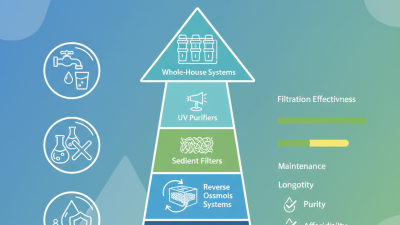
Choosing the right water filter for your home starts with understanding the different types available. Common options include activated carbon filters, reverse osmosis systems, and ultraviolet (UV) purifiers. Each has its strengths and weaknesses worth considering.
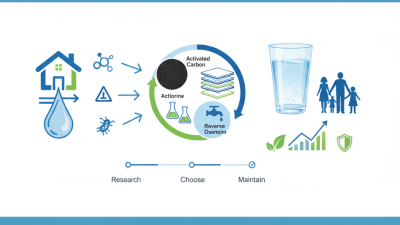
Activated carbon filters excel at improving taste and removing chemicals like chlorine. They are easy to install and maintain. However, they may not eliminate heavy metals or pathogens. Reverse osmosis systems target a wide range of contaminants, providing extensive purification. Yet, they can waste water in the filtration process.
UV purifiers are effective against bacteria and viruses, perfect for contaminated sources. Still, they do not remove sediment or chemicals. It’s crucial to evaluate your specific needs and local water quality.
Tips: Regular maintenance is essential. Check and replace filters as recommended. Monitor the performance of your system over time, and be open to adjustments. Different household needs may arise, leading to a need for a different filtering method. Stay informed about new filtration technologies to keep your water safe.
Types of Water Filters Available for Home Use
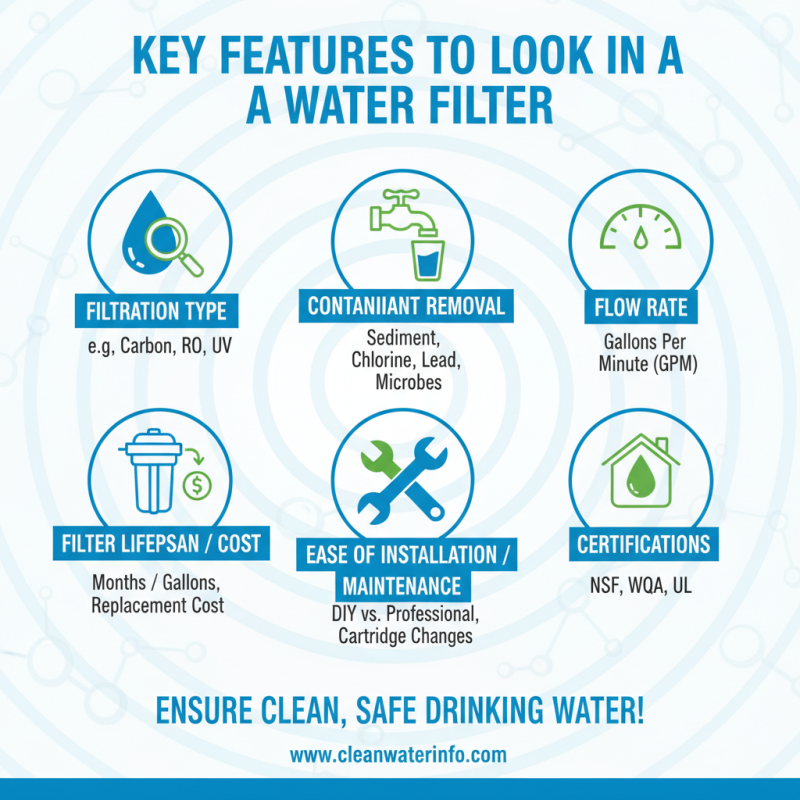
Key Features to Look for in a Water Filter
Choosing the right water filter is vital for ensuring clean drinking water. Various features influence your decision. Understanding these features can help you make a wise choice.
One key feature is the filter type. Some filters use activated carbon, while others rely on reverse osmosis. Each method has its pros and cons. For instance, activated carbon can remove chlorine but may not filter heavy metals effectively. Your water source may dictate the best type for you.
Another critical aspect is filter lifespan. Ideally, you want a filter that lasts longer to reduce replacement costs. Some filters might claim to last for years, but real-world usage often reveals shorter lifespans. Regular maintenance is also crucial. Bypass this, and filtration effectiveness decreases over time.
**Tip:** Regularly check the water quality to decide when to replace your filter. It’s prudent to be mindful of your household's usage habits. Keep track of replacement dates, and be ready to adjust as needed. This way, you ensure continuous access to clean water. Staying informed helps in avoiding unnecessary challenges down the line.
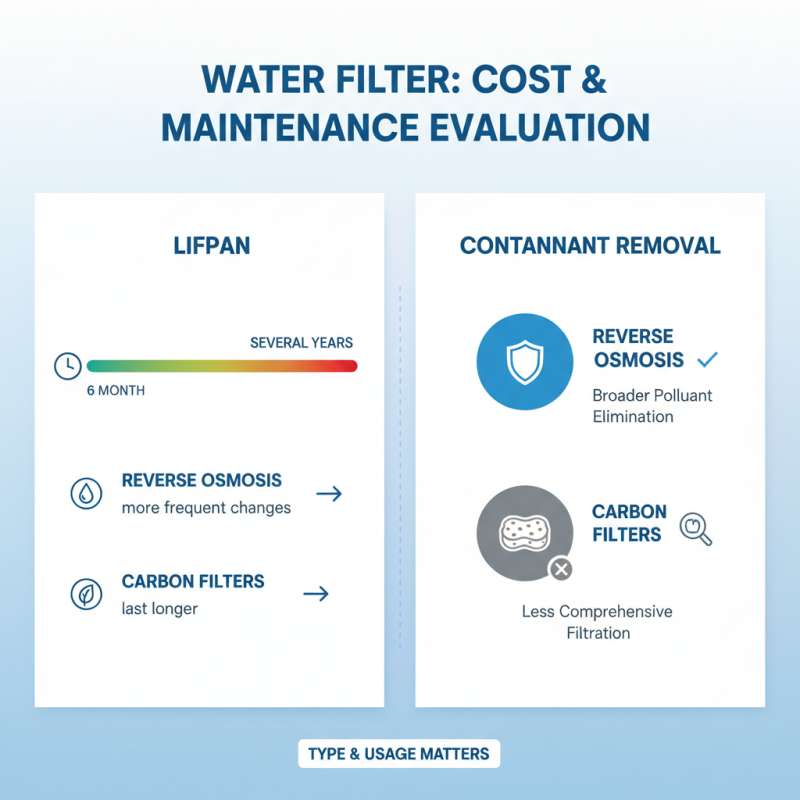
Evaluating Cost and Maintenance of Water Filters
When evaluating the cost and maintenance of water filters for your home, several factors come into play. The average lifespan of a filter can range from six months to several years, depending on the type and usage. For instance, reverse osmosis filters generally require more frequent replacement due to higher contaminants removal capabilities. In contrast, carbon filters may last longer but won’t eliminate all pollutants effectively.
It’s essential to consider the total cost of ownership. According to the Water Quality Association, homeowners can expect to spend an average of $40 to $150 annually on replacement filters. This cost varies widely based on filtration technology and local water quality. Additionally, maintenance tasks can be straightforward or require professional assistance. Regular cleaning is often necessary. Some complex systems may need expert servicing, which can add to long-term expenses.
While investing in a water filter can improve water quality, it’s crucial to reflect on your household's specific needs. Not every system suits all environments. Some families might prioritize taste over contaminant removal, impacting their choice. Understanding your water source and contaminants is vital. Regular testing and evaluation of the system's performance can also help in making informed decisions.
Making an Informed Decision: Comparing Options
When choosing a water filter for your home, knowledge is key. Start by assessing your water quality. Test kits are available to check for contaminants like chlorine, lead, and bacteria. Understanding these elements helps in selecting the right filter system. Different filters target different pollutants. For instance, reverse osmosis systems are effective against many contaminants, while activated carbon filters excel at improving taste and odor.
Next, consider filter maintenance. Frequent replacements may add extra costs. Some systems are designed for easy upkeep, while others might require professional service. Take into account the flow rate of the system. A slower flow might mean cleaner water, but it can be inconvenient for daily use. Reflect on your household’s consumption needs. Larger families may need a more robust system, while individuals might opt for simpler solutions.
Finally, research available technologies and certifications. Look for filters with certifications from reputable organizations guaranteeing quality standards. This adds credibility to your choice. Weigh the pros and cons of each option. It’s essential to prioritize your health and safety while remaining within budget. With careful comparison, you can find a filter that not only meets your needs but also offers peace of mind.
How to Choose the Best Water Filter for Your House? - Making an Informed Decision: Comparing Options
| Filter Type |
Removes Contaminants |
Maintenance Frequency |
Lifespan |
Average Cost |
| Activated Carbon Filter |
Chlorine, VOCs, Odor |
Every 3-6 months |
6-12 months |
$20 - $60 |
| Reverse Osmosis System |
Lead, Arsenic, Nitrates |
Every 2 years |
2-5 years |
$200 - $500 |
| Ultraviolet (UV) Filter |
Bacteria, Viruses |
Annually |
1-2 years |
$50 - $150 |
| Ceramic Filter |
Bacteria, Sediments |
Every 6 months |
1-2 years |
$30 - $80 |
| Whole House Filter |
Sediments, Chemicals |
Every 6-12 months |
5-10 years |
$500 - $1500 |