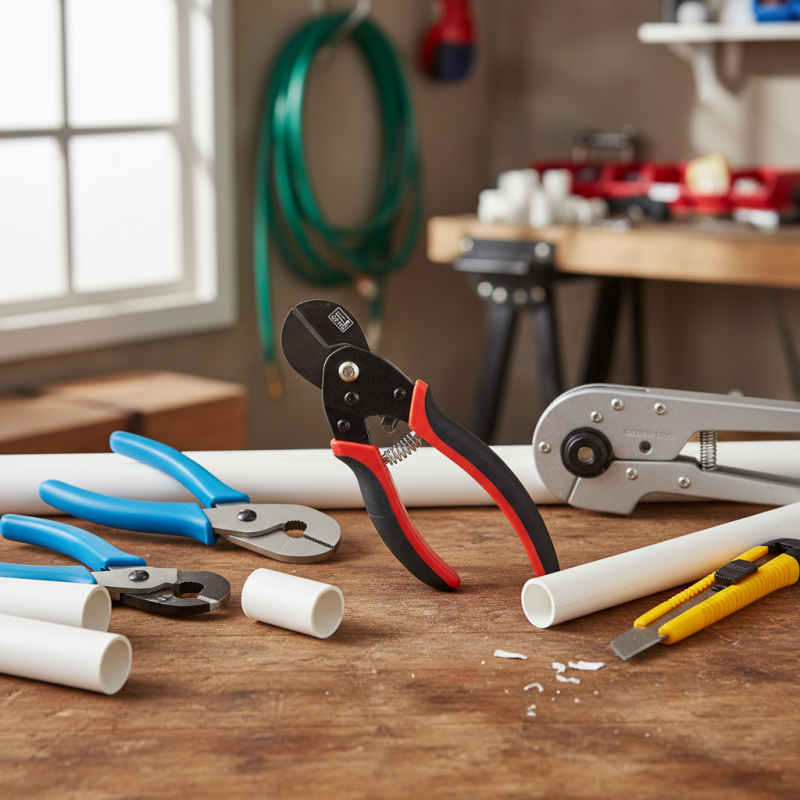
How to Choose the Best PVC Pipe Cutter for Your Projects?
Choosing the right Pvc Pipe Cutter can make a significant difference in your projects. With various options available, it’s essential to consider a few key factors. A quality PVC pipe cutter ensures clean cuts and increases efficiency.
Many users overlook certain aspects when selecting a PVC pipe cutter. Comfort and grip matter. If you can’t hold the tool securely, your cuts may be uneven. It’s crucial to test different models to find one that feels right in your hands.
Additionally, pay attention to the cutter's blade quality. A sharp blade will make the cutting process smoother and faster. Dull blades are frustrating and can lead to mistakes. Investing in a reliable PVC pipe cutter is a decision you won't regret—it can enhance both your precision and confidence.
Understanding the Different Types of PVC Pipe Cutters Available
When it comes to PVC pipe cutters, various types are available. Each has its unique features suited for different cutting tasks. Some options include ratchet cutters, rotary cutters, and hand-held pipe cutters. Ratchet cutters excel in providing clean, precise cuts on larger pipes. They often require less physical effort and are ideal for heavy-duty projects.
Rotary cutters, on the other hand, are versatile and portable. They can handle multiple pipe sizes. However, they may not always achieve the cleanest cut without practice. Hand-held pipe cutters are compact and perfect for tight spaces. They are easy to use, but larger pipes might be challenging without additional leverage.
Choosing the right type is essential for efficiency and accuracy. Consider the pipe size and material. The cutting quality can vary significantly between models. Sometimes, even the best cutter can leave rough edges if not used properly. Testing different types can help identify the right fit for your needs. It might take time to find what works best, but the effort can lead to better results in your projects.
Key Features to Look for in a PVC Pipe Cutter
Choosing the right PVC pipe cutter can significantly enhance your project efficiency. When evaluating a cutter, consider the blade quality. A sharp, durable blade ensures clean, precise cuts. Rust-resistant materials contribute to longevity. Moreover, a comfortable grip prevents slippage and reduces hand fatigue during extended use.
Ease of use is another vital feature. Look for a lightweight design that allows for quick handling. Some models include a ratcheting mechanism, which can make cutting thicker pipes more manageable. The cutter should also offer a safety lock. This prevents accidents when the tool is not in use.
Tips: Always test the cutter with scrap material first. This helps you gauge its effectiveness. Make sure it fits your hand well. A poorly designed handle can ruin your project. Read customer reviews for insights on reliability and performance.
Evaluating the Right Size and Cutting Capacity for Your Needs
Choosing the right size and cutting capacity for a PVC pipe cutter is crucial. The project’s nature determines the cutter's requirements. For small home repairs, a handheld cutter may suffice. Larger projects might need a more robust model.
Measure the pipe diameter you will work with. Common sizes range from ½ inch to 4 inches. Ensure the cutter can handle your largest pipe. Consider the cutting capacity as well. A cutter with a wider opening may seem ideal, but it can be bulky for tight spaces.
Evaluate your cutting frequency. If you seldom use the cutter, a basic model might be enough. Frequent users should invest in higher-quality, more durable options. Reflect on your comfort when using the device. Poor ergonomics can lead to fatigue, affecting precision and safety.
Comparing Price Points and Brands for Quality PVC Pipe Cutters
When selecting a PVC pipe cutter, pricing and brand matter significantly. According to industry reports, quality cutters typically range from $15 to $60. It’s vital to balance cost with features. Some low-cost options may compromise durability or precision, leading to wasted time and materials.
Different brands offer varying qualities of blades and construction. An analysis by the Plumbing Industry Association indicates that professional-grade cutters perform 20% better in terms of longevity compared to economy models. However, this higher price often yields better results for hefty projects.
While budget options are tempting, they might require more frequent replacements, ultimately increasing long-term costs. A report from the National Association of Home Builders notes that contractors prefer reliable tools to minimize project delays. It's essential to assess your immediate needs and the potential for future use before making a final purchase.
Maintenance Tips to Extend the Life of Your PVC Pipe Cutter
To keep your PVC pipe cutter in top shape, regular maintenance is essential. Start by cleaning the blades after each use. A simple wipe down with a cloth removes any debris that can dull the cutting edge. You might think a quick rinse is enough, but moisture can lead to rust. So, always ensure they are thoroughly dry before storage.
Lubrication is another critical step. Apply a few drops of oil to the moving parts periodically. This action helps prevent wear and tear, ensuring smooth operation. Neglecting this task can cause the cutter to jam or function ineffectively. Inspect the blades for nicks or wear regularly. A tiny chip may seem harmless but can compromise cuts. It's worth taking a moment to reflect on how often you overlook maintenance.
Finally, store your PVC pipe cutter in a dry, safe place. Avoid tossing it in a toolbox where it rubs against other tools. Such careless storage can lead to damage. Consider hanging it on a peg or placing it in a dedicated slot. Every small step contributes to prolonging the life of your cutter. Keeping everything in mind will enhance your projects and reduce unnecessary frustration.
Comparison of PVC Pipe Cutters by Features