Why Choose Food Trucks for Your Next Business Venture?

The Food Truck industry has seen remarkable growth, becoming a staple in urban dining culture. According to a 2022 industry report, the global food truck market is projected to reach $1.2 billion by 2028. This growth highlights a shift in consumer preferences toward mobile dining experiences. Many entrepreneurs are taking advantage of this trend, finding food trucks to be a lower-cost entry point compared to traditional restaurants.

Despite the promising outlook, venturing into the food truck business is not without challenges. Limited space can constrain menu diversity, making it essential to specialize effectively. Location can also greatly impact sales; a busy street corner might be ideal, but it could also attract stiff competition. The balance between creativity and practical constraints requires careful thought and planning.

Navigating local regulations adds another layer of complexity. City permits and health codes vary widely, and understanding them is crucial for success. Yet, these challenges can offer valuable lessons in resilience and adaptability. Overall, food trucks not only provide exciting culinary opportunities but also hone essential business skills for aspiring entrepreneurs.
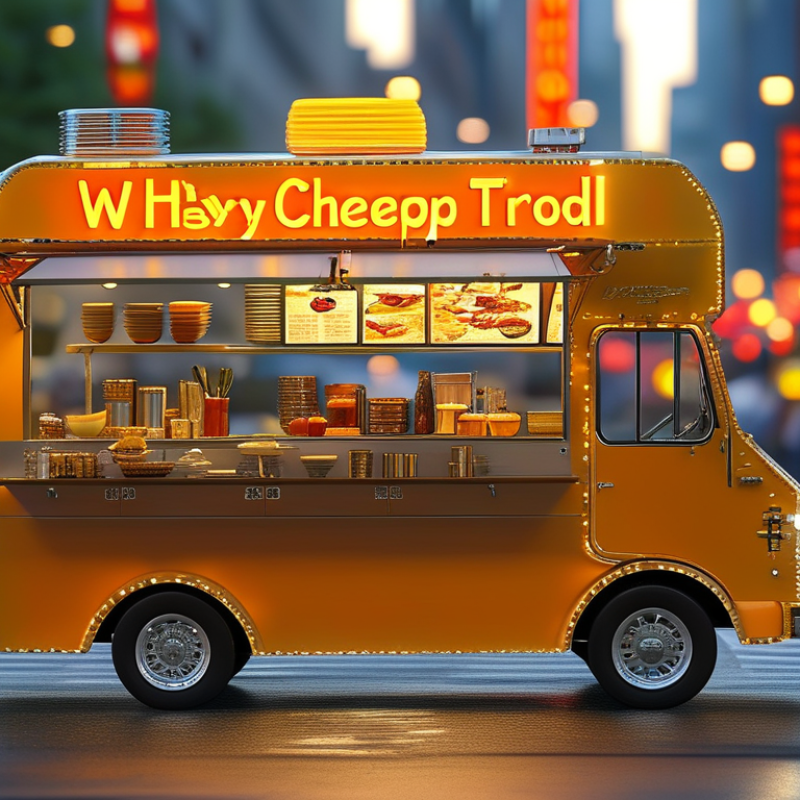
Why Choose Food Trucks for Your Next Business Venture?

Benefits of Food Trucks Over Traditional Restaurants

When considering a food-related business, food trucks offer unique advantages over traditional restaurants. According to a recent report by IBISWorld, the food truck industry has seen a growth of 7.5% per year over the past five years. This trend is largely due to lower startup costs and flexibility in location. Unlike a brick-and-mortar establishment, a food truck can easily change its venue based on foot traffic or local events, creating opportunistic sales.


Moreover, operating a food truck involves less overhead. Traditional restaurants typically face significant costs, including rent and utilities. According to the National Restaurant Association, dining out costs have continually risen, but food trucks often maintain better price points, which can attract budget-conscious customers. A study by Food Truck Nation highlights how food trucks can operate with lower profit margins, often around 10-15%, while traditional restaurants can struggle to achieve the same in competitive markets.


However, it's essential to acknowledge the challenges. Food trucks face unique regulatory hurdles that can vary greatly by location. These challenges can lead to operational delays and potential legal issues. Moreover, their smaller kitchens can limit menu offerings. Entrepreneurs should conduct thorough research in their community’s regulations and market demands. Embracing both the strengths and weaknesses of food trucks can lead to a successful venture.

Cost-Effective Investment and Lower Overhead Expenses

Food trucks have emerged as a compelling option for budding entrepreneurs seeking a cost-effective investment. The food truck industry is projected to reach $1 billion by 2024, according to recent market research. Operating a food truck typically requires significantly lower start-up costs compared to traditional restaurants. A basic food truck can be acquired for between $50,000 to $100,000, while setting up a traditional restaurant often exceeds $250,000. This substantial difference allows aspiring business owners to invest in quality ingredients and marketing instead of hefty rents.

In addition to lower initial costs, food trucks benefit from reduced overhead expenses. For example, maintaining a truck usually involves fewer staff members. A study by the National Food Truck Association notes that operating costs are approximately 60% lower than that of fixed-location restaurants. This efficiency can translate into better profit margins. However, some entrepreneurs face challenges, such as fluctuating demand and food spoilage. Managing these factors is crucial for long-term success.

The food truck model offers flexibility, allowing vendors to test different locations and menus, adapting quickly to consumer preferences. This adaptability can be a double-edged sword, as it demands continuous innovation and market awareness. Success often hinges on the ability to respond to feedback and pivot when necessary.

Flexibility in Location and Menu Offerings

Food trucks offer a unique opportunity for entrepreneurs seeking flexibility. Their mobility allows for varied locations that capture diverse customer bases. Whether parked at events or on busy street corners, they cater to local demand. This adaptability can maximize profits while building a loyal clientele.

Menu offerings can also be tailored to match locations. A food truck can specialize in seasonal dishes or local favorites. This approach helps attract different customers at different times. Incorporating special events, like food festivals or farmer's markets, can further enhance visibility.

Tips: Experiment with limited-time menus to keep the offerings fresh. Engage with customers through social media to understand their preferences. Always gather feedback to refine your menu and service.

Growing Popularity and Demand for Food Trucks

The food truck industry is rapidly gaining traction, driven by changing consumer preferences and the desire for variety. According to a 2021 report from IBISWorld, the food truck industry in the United States is projected to reach $1 billion annually by 2025. This growth reflects an increasing appetite for quick, flavorful meals that food trucks can uniquely provide.

Food trucks offer flexibility in location, allowing owners to move to high-traffic areas or special events. They cater to diverse tastes, from gourmet options to comfort food. In 2020, around 68% of consumers expressed interest in trying food from trucks, demonstrating a strong market demand. However, entering this industry also poses challenges; competition is fierce, and location regulations can be complex.

Tip: Research local regulations before you launch. Understanding the rules can save you time and money. Test different menus to see what resonates with your audience. Gathering customer feedback is vital for improvement.

The financial aspect of a food truck can be daunting. Operating costs can add up quickly. On average, food truck owners report initial investments between $50,000 and $100,000. A 2022 survey revealed that only about 30% of food trucks break even within their first year. Many owners face unexpected hurdles. It’s essential to develop a solid business plan that anticipates these challenges.

Tip: Keep an eye on your competition. Learn from their successes and mistakes. Networking with other food truck owners can provide invaluable insights.

Building a Strong Community Presence and Customer Engagement

Food trucks offer a unique opportunity to engage with local communities. They can build a loyal customer base quickly by providing delicious food in approachable settings. The informal atmosphere of food trucks encourages open conversations. This personal touch fosters deeper connections with customers.

To create a strong community presence, consider hosting events. Collaborate with local artists, musicians, or farmers. This can draw in diverse crowds. Networking is vital; attending community events helps food truck owners understand local preferences. This way, you adapt your menu to better fit what people want.

Engagement goes beyond delicious meals. Use social media platforms to share your story. Post behind-the-scenes content showing daily life on the truck. These glimpses humanize your brand. Testimonials from satisfied customers can be powerful. Collecting and showcasing feedback builds trust in your business. A strong presence cultivates a community that supports your venture.

Food Trucks: Community Engagement Metrics

This bar chart represents various engagement metrics of food trucks, demonstrating their impact on customer interaction and community involvement. Each category highlights different aspects, showcasing the potential of food trucks as an effective business venture in building a strong community presence.

Article Source:

Build your system. Protect your boat. Join the movement.

Compare Products
Talk to Sales