How to Choose the Best Scoop Litter for Your Cat?
Choosing the right Scoop Litter for your cat can be a daunting task. With various options available, it’s essential to find one that suits both your cat's needs and your household environment. Dr. Sarah Johnson, a feline health expert, once said, "The right litter can make a world of difference for your cat’s comfort and your home’s cleanliness." This highlights how critical it is to consider different factors when selecting scoop litter.
Different cats have unique preferences and sensitivities. Some may prefer clay-based litters, while others might thrive with natural options. The litter's texture and scent play key roles in your cat's acceptance. Many pet owners overlook these details and end up purchasing unsuitable products. Remember, trial and error often leads to the best choice.
Additionally, the efficiency of the scoop litter impacts how often you clean the litter box. Some brands clump well, while others do not. This can lead to more frequent cleanings than you’d like. Analyzing your daily routine alongside your cat's preferences can help refine your choice. Taking the time to choose the best scoop litter will benefit both you and your feline friend in the long run.
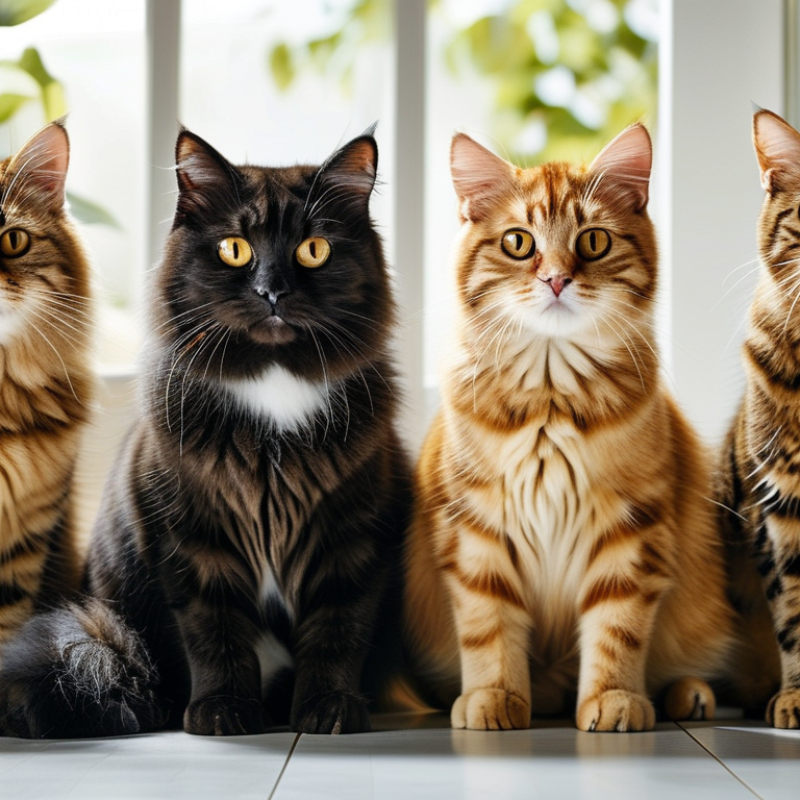
Understanding Different Types of Cat Litter Available in the Market
Choosing the right scoop litter for your cat involves understanding the different types available. There are clay-based litters, which are highly absorbent and control odors effectively. Clumping clay litter forms solid clumps, making it easier to scoop. However, some cats may dislike the texture.
Then, there is crystal litter, which absorbs moisture and reduces odors. It requires less frequent changing but may not be favored by all cats. Natural litters, made from corn or recycled paper, are more eco-friendly. Some of these may not clump well.
Tips: Observe your cat's preference. If they avoid the litter box, it might be the litter type. Experiment with different textures and materials. It’s crucial to provide a stress-free environment for your cat's elimination habits. Regularly clean the litter box to promote good habits.
Some cats may take time to adapt to a new litter. Offering patience during this transition is key. Evaluate your cat's overall behavior as you try different options. Picking the best scoop litter means being attentive to their needs.
Evaluating Scoopability: What Makes a Litter Easy to Scoop?
When selecting the right scoop litter for your cat, understanding scoopability is essential. Simple aspects can make a significant difference. Look for clumping varieties. They form solid clumps that are easier to remove, ensuring cleanliness. A litter that clumps well minimizes odors and keeps the litter box fresher. Also, consider the texture. Softer granules are easier to scoop but may not control odors as effectively.
Tips for making the right choice:
- Test a few different types. Your cat’s preferences matter too.
- Observe how easily it scoops. Does it break apart or lift cleanly?
- Pay attention to dust levels. Low-dust litters reduce mess during scooping.
The weight of the litter can influence your choice. Heavier litters may stay put but can be challenging to manage. Lighter alternatives can be easier to handle, yet may scatter more. Finding the perfect balance is crucial. Assess your scooping routine, and consider how often you'll need to change the litter. Reflect on these factors to ensure a tidy space for both you and your cat.
How to Choose the Best Scoop Litter for Your Cat? - Evaluating Scoopability: What Makes a Litter Easy to Scoop?
| Litter Type | Material | Clumping Ability | Dust Production | Odor Control | Price Range |
| Clumping Clay | Bentonite | Excellent | Low | Good | $10 - $20 |
| Crystal Litter | Silica Gel | Good | Very Low | Fair | $15 - $30 |
| Biodegradable Litter | Corn, Wood, or Paper | Moderate | Medium | Good | $8 - $25 |
| Non-Clumping Clay | Fuller's Earth | Poor | High | Fair | $5 - $15 |
Assessing Odor Control Features in Cat Litter Options
When choosing the best scoop litter for your cat, odor control is a crucial feature. Cats can be sensitive to smells, and a litter that fails to contain odors can lead to stress for both you and your pet. Some litters claim to eliminate odors entirely, but not all products live up to these promises. It’s important to assess their actual performance through personal experience and feedback from other cat owners.
Consider the material of the litter. Clay-based litters often absorb odors well due to their high absorbency. However, natural alternatives, like corn or wheat, might appeal to environmentally conscious owners. These options can vary in odor control effectiveness. Additionally, some litters include natural fragrances that mask odors, but they may not always work for all cats. Observing your cat’s reaction can provide insight into whether the scent is pleasant or off-putting for them.
Keep in mind that some litters may clump effectively, making scooping easier. Yet, the clumping quality doesn't always translate to odor control. You might notice odors lingering longer than expected. Testing different types may lead to discovery. It’s possible that what works for one household may not work for another. Flexibility and patience are key as you find the right balance for you and your furry friend.
The Importance of Dust Levels and Safety for Your Cat’s Health
Choosing the right scoop litter for your cat isn't just about convenience. Dust levels in cat litter can significantly impact your feline's health. High dust litter can exacerbate respiratory issues, especially in older cats or those with existing conditions. It’s crucial to consider the dust emitted when your cat digs around.
Tips: Look for low-dust formulas. These are typically made from natural materials like clay or corn. You might want to try out different kinds. Observe your cat’s reaction. If they sneeze often, it’s a sign to switch.
Safety is another vital factor. Many litters contain chemicals or fragrances that could irritate your cat's sensitive nose. Choose unscented options to reduce the risk of allergy or discomfort. It’s essential to monitor your cat's litter box habits regularly. A change in their behavior can indicate sensitivities or health issues.
Tips: Ensure the litter you choose is free from harmful additives. Read ingredient labels carefully. The right litter can improve your cat's quality of life. Keep an eye on your cat’s overall well-being. If they show signs of distress, consider consulting your veterinarian.
How to Choose the Best Scoop Litter for Your Cat?
This chart illustrates various scoop litter options based on their dust levels and safety ratings. Lower dust levels are crucial for maintaining your cat's respiratory health, while safety ratings indicate the overall impact on your cat's well-being.
Cost Considerations: Balancing Quality and Budget for Cat Litter Choices
When choosing cat litter, budget is a major factor. It's easy to be swayed by lower prices, but this can lead to hidden costs. Cheaper litter may not clump well, leading to more frequent changes. This means spending more over time. Evaluating the quality of litter against its cost is essential. A slightly higher price can often translate into a better experience for both you and your cat.
Consider the type of litter that suits your cat's needs. Some litters are more absorbent, which reduces odors and cleanup frequency. Natural options often appeal to environmentally conscious cat owners. However, they can be pricier. Reflecting on the long-term costs of each option helps in making an informed decision. It's about balance.
Also, think about your cat’s preferences. Some cats are picky about texture or scent. Trying a few types can help determine the best fit. If a cat rejects a less pricey option, money is wasted. Adjusting your approach based on your cat’s reactions is key. This can guide your choices in both quality and budgeting effectively.