Why Choose a Water Purifier System for Your Home?
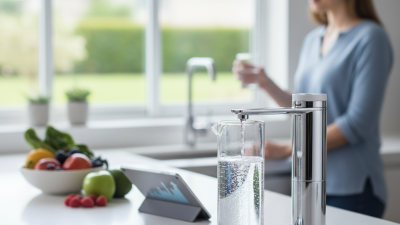
In today's world, ensuring safe drinking water is essential. Many families are choosing a water purifier system to address this concern. The quality of tap water can vary widely. It often contains impurities that we cannot see or smell. A water purifier system removes these contaminants effectively. This results in cleaner, healthier water right from your faucet.
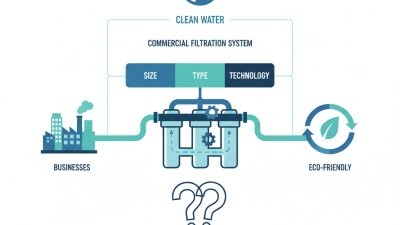
However, not all purifiers are created equal. Selecting the right system requires research and understanding. Knowledge of different filtration technologies can guide your choice. Look for systems backed by credible testing and certifications. Reliability matters when it comes to your family’s health.
Some users might find installation daunting. Others may question the ongoing maintenance costs. It is crucial to weigh these factors carefully. A water purifier system can be an investment in your health, but it requires informed decision-making. Ultimately, clean water is a fundamental need that merits attention.
Benefits of Installing a Water Purifier System in Your Home
Installing a water purifier system in your home offers numerous advantages. A comprehensive study by the World Health Organization revealed that contaminated water supplies can lead to serious health issues. By using a water purifier, you significantly reduce your risk of exposure to harmful bacteria, viruses, and heavy metals. In fact, according to a report from the Environmental Protection Agency, almost 15% of Americans use water systems that either don’t meet safety standards or lack sufficient purification.
Additionally, purified water enhances the taste and quality of beverages and food. Cooking with clean water can elevate flavors and improve overall nutrition. The presence of chlorine and other contaminants can affect the taste of drinking water. A water purifier effectively removes these substances, ensuring you and your family enjoy refreshing, clean water.
Sometimes, people overlook the maintenance of water purifier systems. It’s crucial to regularly change filters and check for any issues. Regular upkeep ensures the system operates efficiently and delivers safe water consistently. Proper research into purification technologies can help in making an informed choice, ensuring you get the best system for your household needs.
Comparison of Water Purification Technologies and Their Effectiveness
When considering water purification for your home, understanding the various technologies available is crucial. Reverse osmosis (RO) systems have become popular due to their effectiveness in removing contaminants. According to the Environmental Protection Agency (EPA), RO systems can eliminate up to 99% of harmful substances, including lead and chlorine. However, they may not be efficient against certain bacteria or viruses without additional purification steps.
Activated carbon filters provide another option. These systems are adept at removing chlorine, sediment, and volatile organic compounds (VOCs). A study published in the Journal of Water and Health highlighted that carbon filters can reduce microplastics by approximately 80%. Yet, they may not remove all heavy metals or pathogens completely, leaving some consumers unsure of their water safety.
Ultraviolet (UV) purification is another technology worth mentioning. It effectively neutralizes bacteria and viruses, with studies showing a 99.99% effectiveness rate. Despite this impressive statistic, UV systems require adequate power sources and are less effective if water is cloudy or contains heavy sediment. This limitation raises concerns about the practicality of UV systems in certain households. Each technology comes with trade-offs, making it essential for consumers to evaluate their specific water quality needs.
Comparison of Water Purification Technologies and Their Effectiveness
Impact of Contaminants on Health: The Need for Water Purification
Water quality directly affects our health. Contaminants can enter our drinking water through various sources. Heavy metals, pesticides, and bacteria pose significant risks. Long-term exposure might lead to serious health issues. Many people overlook this threat. They assume tap water is safe, but this is a common misconception.
Understanding the specific contaminants in your area is crucial. For instance, lead can leach from old pipes. This metal is harmful, especially to children. Pesticide runoff from agricultural areas also affects drinking water. It can cause neurological damage. Awareness is the first step in protecting your family’s health.
Investing in a water purification system can be a wise choice. It offers a reliable way to ensure safe drinking water. Your health deserves this level of protection. However, not all systems are equally effective. Research and choose one that fits your needs. This decision can significantly impact your family's well-being.
Industry Data on Water Quality and Recommended Filtration Solutions
Water quality is a crucial concern for households today. According to the Environmental Protection Agency (EPA), about 15% of community water systems reported violations of health-based water quality standards in recent years. Contaminants like lead, chlorine, and bacteria can pose serious health risks. As data shows, over 13 million Americans are exposed to unsafe drinking water. This alarming statistic underscores the importance of implementing effective filtration solutions at home.
Various filtration technologies are available. Reverse osmosis systems and activated carbon filters are popular choices for removing harmful substances. A report from the World Health Organization indicated that activated carbon can reduce over 70 types of contaminants, making it a reliable option for safe drinking water. Despite their effectiveness, many homeowners still rely solely on tap water, neglecting the potential risks involved.
Addressing water quality can feel overwhelming. It's essential to consult with water quality experts to determine specific needs. Not all water sources are equal. Customized solutions ensure that households address their unique contaminant challenges. Doing nothing may leave vulnerabilities. Remember, every drop of water counts. A proactive approach is key to safeguarding health and well-being.
Cost Analysis: Long-Term Savings of Using a Water Purifier System
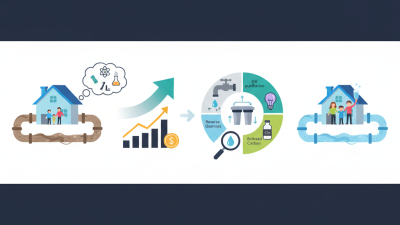
Investing in a water purifier system for your home can lead to significant long-term savings. While the initial cost may seem high, consider the expense of bottled water over time. A family of four could spend hundreds of dollars annually on bottled water, while a purifier can provide clean water for just pennies per gallon. The more you use it, the more savings you accumulate.
It's essential to consider maintenance costs as well. Regular filter replacement is necessary, but it remains a fraction of bottled water expenses. By aiming for a reliable filtration system, you lower your overall expenses. Analyze your water quality too. Not all water sources are the same, and understanding your local water supply can help you choose the right purification method.
When budgeting for a purifier, act thoughtfully. Research the types available and their longevity. Some systems may require frequent part replacements, adding to your costs. Ensure you monitor your usage and filter life. Small changes can yield substantial savings. Remember, your water quality impacts not only your health but also your wallet. Regularly assess your water needs to optimize your investment effectively.