China Top 10 Pressure Relief Valve Manufacturers? This question matters wherever steam, gas, or liquid pressure can rise unexpectedly. A relief valve may look small beside a reactor, boiler, or storage tank. Its failure, however, can create severe operational and safety consequences.
MarketsandMarkets projects the global pressure relief valves market to grow from approximately USD 4.3 billion in 2023 to USD 5.6 billion by 2028. Its report identifies energy, chemicals, and manufacturing as important demand sectors. Grand View Research also highlights industrial expansion and stricter process-safety expectations as major market drivers. These figures indicate strong demand, but they do not prove that every supplier offers equal engineering quality.
This guide evaluates ten Chinese manufacturers through practical evidence. The review considers API 520 and API 526 alignment, ASME Section VIII credentials, material traceability, test-bench capability, delivery records, and after-sales support. Factory audits and project references matter more than polished websites. A ranking is never perfect. Buyer requirements differ between a refinery, a food plant, and a high-pressure hydrogen system.
Process-safety authority Trevor Kletz wrote, “If you think safety is expensive, try ignorance.” His warning remains highly relevant to Pressure Relief Valve selection. The cheapest quotation may exclude sizing verification, calibration records, or corrosion-resistant materials. Readers should confirm certificates directly with manufacturers and request current test documentation. This introduction therefore treats the “top ten” as a research shortlist, not an absolute verdict. Availability, customization, and local service can change the final choice.
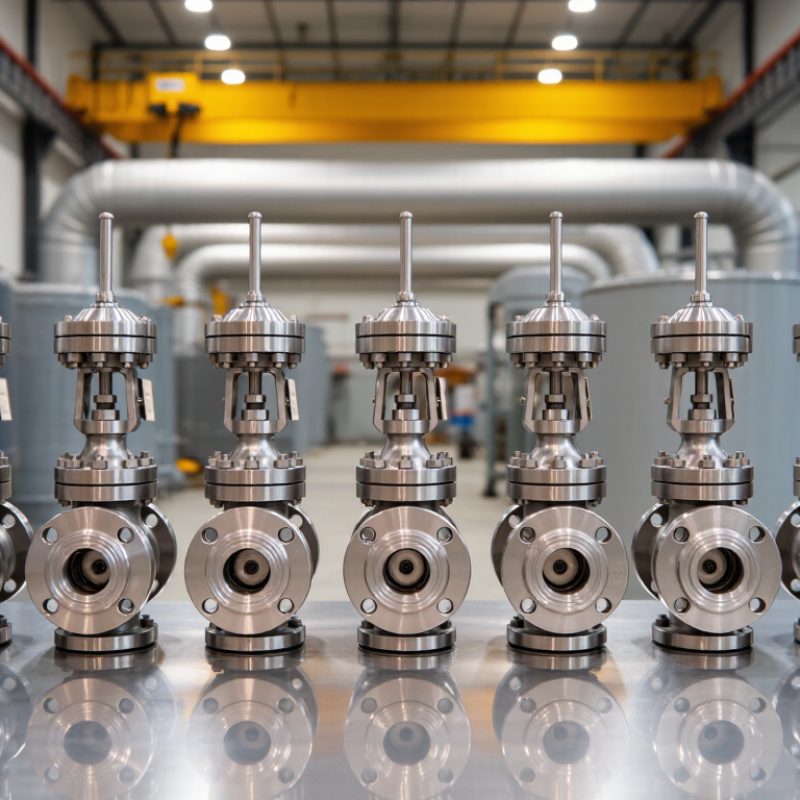
A pressure relief valve protects equipment when internal pressure rises beyond a safe limit. It opens automatically and releases fluid, gas, or steam through a controlled outlet. This action helps prevent ruptured pipes, damaged vessels, fires, and costly production interruptions. The valve closes again when pressure returns to an acceptable range.
These valves appear on boilers, storage tanks, compressors, pumps, and process lines. Their settings must match the equipment design pressure, operating temperature, and contained medium. A technician should also check discharge direction, back pressure, corrosion resistance, and access for testing. A valve that looks correctly installed may still perform poorly if its outlet is blocked or undersized.
A practical inspection includes checking the set-pressure seal, lifting mechanism, spring condition, and nearby piping. Testing should follow recognized engineering procedures and the applicable local requirements. I would not treat a catalogue rating as proof of suitability. That assumption is easy to make, and often wrong. Real operating conditions can change after a system upgrade, cleaning process, or temperature shift. Even a small layer of rust can affect movement. Maintenance records should show test dates, results, repairs, and the technician’s findings. During selection, experienced engineers compare certified performance data with actual site conditions, rather than choosing only by connection size or purchase price.
China’s top pressure relief valve manufacturers should be judged by evidence, not catalogue rankings. Grand View Research valued the global pressure relief valve market at about USD 4.5 billion in 2023, with continued growth expected through 2030. That expansion increases supplier choice, but also increases evaluation risk.
Request certificates aligned with ISO 4126 and relevant ASME requirements. Confirm the certificate scope, product range, and issuing body. For each model, review set-pressure accuracy, blowdown, backpressure tolerance, and seat-leakage results. API 527 provides a recognized method for seat-tightness testing, while API 520 and API 526 support sizing and standardization decisions. A serious manufacturer should provide calibrated test records, material certificates, and serial-number traceability. Ask to see the test bench.
Factory experience matters. Audit machining, spring calibration, welding controls, and final inspection. Check whether pressure tests use calibrated instruments with current records. Independent inspection can expose gaps that factory photographs hide. It costs more, sometimes unnecessarily.
Evaluate service, not only price. Request samples of drawings, calculation sheets, spare-parts lists, and response procedures. The International Trade Centre’s Trade Map data can help compare China’s valve export trends by HS code, but export volume does not prove technical quality. I would keep any “top 10” list provisional. A low-cost supplier may still be suitable, yet unclear documentation is a costly warning.
This scorecard provides a practical way to evaluate pressure relief valve manufacturers in China without relying on brand names. Give priority to applicable certifications, documented design calculations, material traceability, pressure and seat-leakage testing, engineering support, delivery capability, and lifecycle cost. Verify evidence against relevant requirements such as ASME Section VIII, API 520, API 527, ISO 9001, and PED 2014/68/EU where applicable.
China’s Top 10 Pressure Relief Valve Manufacturers are gaining attention as industrial projects demand safer, traceable equipment. Grand View Research valued the global industrial valves market at about USD 78 billion in 2023. Its forecast also indicates steady growth through 2030. That expansion increases pressure on Chinese manufacturers to prove performance, not only offer lower prices.
A credible top-ten comparison should examine certification, testing depth, and field experience. Look for compliance with API 520, API 526, and ISO 4126 requirements. Factory records should show spring calibration, seat leakage tests, material certificates, and pressure-setting accuracy. The best suppliers usually provide test reports linked to serial numbers. Small details matter. A valve may look perfect while its documentation remains weak.
Industry reports from Fortune Business Insights and MarketsandMarkets identify energy, chemical processing, and power generation as major valve demand sectors. These applications require stable relief pressure under heat, vibration, and corrosive media. Buyers should also review response time, repair support, delivery records, and export experience. A ranking based only on revenue can mislead. Production scale is useful, but it does not replace independent inspection. My own assessment would leave room for doubt, because public manufacturer data is often incomplete and unevenly verified.
| Rank | Anonymous Manufacturer Profile | Main Valve Types | Common Standards | Typical Size Range | Typical Pressure Class | Common Materials | Recommended Verification Point |
|---|---|---|---|---|---|---|---|
| 01 | Profile A — Industrial Safety Valve Specialist | Spring-loaded safety valves; pressure relief valves | API 526; ASME Section VIII; ISO 4126 | DN15–DN400 | PN16–PN420; Class 150–2500 | Carbon steel; stainless steel; alloy steel | Check certified sizing calculations and set-pressure test records. |
| 02 | Profile B — Petrochemical Application Manufacturer | Conventional PSVs; balanced bellows valves | API 520; API 526; ISO 4126 | DN25–DN600 | PN16–PN250; Class 150–1500 | WCB steel; CF8M stainless steel; nickel alloys | Confirm back-pressure limits, bellows integrity, and fugitive-emission requirements. |
| 03 | Profile C — Steam and Boiler Protection Manufacturer | Boiler safety valves; steam relief valves | ASME Section I; ASME Section VIII; ISO 4126 | DN25–DN300 | PN16–PN160; Class 150–900 | Carbon steel; chrome-moly steel; stainless steel | Verify certified capacity for saturated or superheated steam service. |
| 04 | Profile D — Chemical Process Valve Manufacturer | Corrosion-resistant relief valves; lined valves | API 520; ISO 4126; NACE MR0175 where applicable | DN15–DN250 | PN10–PN100; Class 150–600 | 316L stainless steel; duplex steel; PTFE-lined bodies | Review chemical compatibility, trim selection, and corrosion allowance. |
| 05 | Profile E — Oil and Gas Service Manufacturer | Pilot-operated valves; high-pressure PSVs | API 520; API 526; API 527 | DN25–DN400 | Class 300–2500 | Carbon steel; low-temperature steel; stainless steel | Check sour-service compliance, pressure testing, and seat-tightness results. |
| 06 | Profile F — Cryogenic Relief Valve Manufacturer | Cryogenic safety valves; vacuum-jacketed relief valves | ISO 4126; ISO 21013; API 527 | DN15–DN150 | PN16–PN100; Class 150–600 | Austenitic stainless steel; low-temperature alloys | Confirm low-temperature testing and suitability for oxygen or LNG service. |
| 07 | Profile G — Water and Utility System Manufacturer | Hydraulic relief valves; surge-control valves | EN 1074; ISO 4126; applicable GB/T standards | DN50–DN1200 | PN10–PN40 | Ductile iron; carbon steel; stainless steel | Evaluate flow stability, cavitation resistance, and coating performance. |
| 08 | Profile H — Compact Instrumentation Manufacturer | Small-bore relief valves; thermal relief valves | ASME Section VIII; API 527; ISO 4126 | DN6–DN50 | PN16–PN420; Class 150–2500 | Brass; 316 stainless steel; hardened alloy trim | Check response repeatability, leakage class, and connection compatibility. |
| 09 | Profile I — Customized OEM Valve Manufacturer | Engineered-to-order PSVs; special connection designs | API 520; ISO 4126; project-specific specifications | DN15–DN600 | Project-dependent; PN10–PN420 | Carbon steel; stainless steel; nickel-based alloys | Assess engineering documentation, traceability, and prototype validation. |
| 10 | Profile J — General Industrial Valve Manufacturer | Spring-loaded relief valves; pressure and vacuum relief valves | ISO 4126; API 527; relevant GB/T standards | DN15–DN300 | PN10–PN160; Class 150–900 | Cast iron; carbon steel; stainless steel | Verify factory quality controls, material certificates, and after-sales support. |
Note: The profiles above summarize commonly documented product categories, standards, materials, and specification ranges used in China’s pressure relief valve manufacturing sector. Actual availability depends on the manufacturer, design, certification, and project requirements.
China’s leading pressure relief valve manufacturers are often assessed by product depth, testing discipline, and industry coverage. Their portfolios commonly include spring-loaded safety valves, pilot-operated relief valves, vacuum relief valves, rupture-disc assemblies, and thermal relief valves. Grand View Research valued the global industrial valves market at approximately USD 78.8 billion in 2023, with continued growth expected through 2030. This demand reflects expanding process plants, energy projects, and water infrastructure.
Key buyers usually serve petrochemical, power generation, pharmaceutical, food processing, and municipal water facilities. Product selection depends on pressure range, temperature, corrosion exposure, and discharge capacity.
For example, a refinery may require alloy trim and remote testing access, while a clean-process plant needs polished surfaces and careful dead-leg control. The details matter more than a polished catalog.
Reliable manufacturers typically design against API 520 and API 526, then verify valve performance through API 527 seat-tightness testing.
ASME Boiler and Pressure Vessel Code Section VIII remains important for pressure equipment applications. ISO 4126 is also widely referenced for safety devices. ISO 9001 certification supports controlled production, but it does not prove every valve performs equally in service.
Market reports offer useful direction, not final purchasing evidence. Factory acceptance records, calibration certificates, material traceability, and witnessed testing should be reviewed.
Some supplier claims remain difficult to compare. That weakness deserves attention. Field experience, response time, spare-part access, and documented failure analysis may reveal more than headline capacity.
When comparing China’s top 10 pressure relief valve manufacturers, focus on fit, not ranking. A suitable supplier should understand your operating conditions clearly. Share the set pressure, medium, temperature, flow rate, and connection size. Material selection also matters, especially with steam, chemicals, or corrosive gases. Ask for pressure certificates, calibration records, inspection procedures, and applicable standards. A serious manufacturer can explain these documents without avoiding technical questions.
Tips: Request a drawing before placing an order. Check the spring range and discharge capacity. Ask for sample testing and batch traceability. Confirm warranty terms in writing. A factory audit can reveal more than a polished website. Look at machining areas, test benches, storage conditions, and labeling practices.
Do not judge suppliers by price alone. A low quotation may exclude testing, packaging, or spare parts. Review communication speed and technical accuracy during early discussions. Suppliers should provide clear answers, not copied specifications. Test one valve under realistic conditions when possible. Measure opening pressure, reseating behavior, leakage, and surface quality. Keep the inspection report with the serial number. Small details matter.
Some buyers rely too heavily on certificates. That is understandable, but certificates cannot replace process verification. A supplier may meet a standard while still missing your actual application needs. Recheck every assumption before approval. Reliability often comes from consistent records, transparent communication, and controlled production—not impressive promises.
Build your system. Protect your boat. Join the movement.