China Top Industrial Rubber Foam Insulation Pipe Suppliers?
In the realm of construction and energy efficiency, the demand for Industrial Rubber Foam Insulation Pipe is growing rapidly. Experts like Dr. Emily Zhang, a leading consultant in thermal insulation materials, emphasize its significance: “Effective insulation is crucial for reducing energy loss in industrial applications.” Her insights reflect the industry's shift towards sustainability.
As industries face the dual challenges of rising energy costs and environmental concerns, Industrial Rubber Foam Insulation Pipe emerges as a viable solution. It provides excellent thermal performance and is lightweight, making installation easier. However, the market is saturated with suppliers claiming superior products. Identifying reliable suppliers requires careful assessment.
The importance of experience and reputation cannot be overstated. It's essential to evaluate supplier certifications and product testing data. Not all manufacturers meet the same standards. Businesses should reflect on their insulation choices, as the wrong decisions can lead to increased operational costs. Making informed choices is more critical than ever in this evolving market.
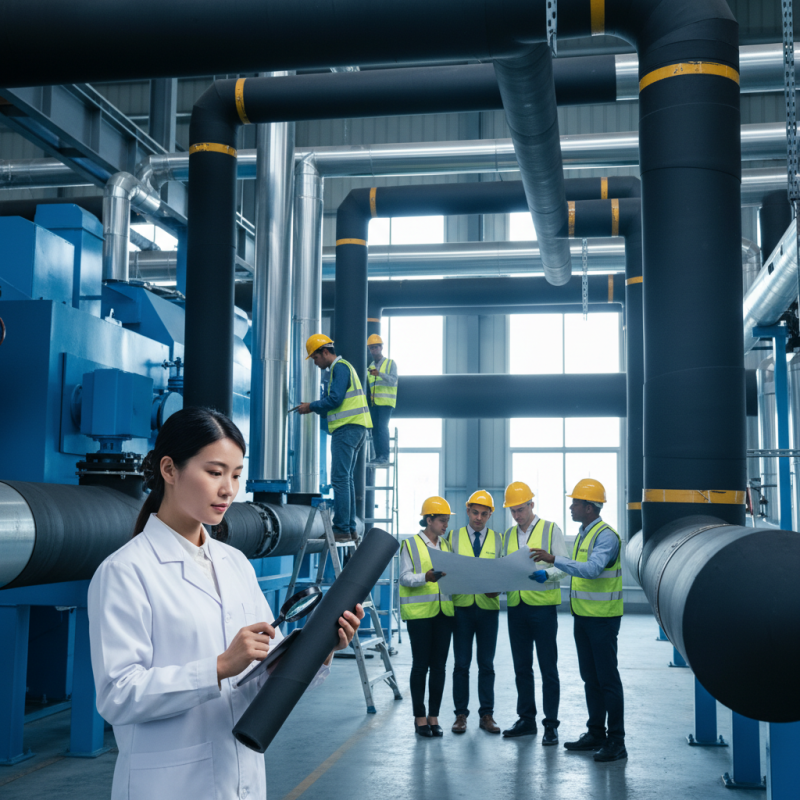
Overview of Industrial Rubber Foam Insulation Pipes in China
Industrial rubber foam insulation pipes play a crucial role in various sectors in China. These pipes are essential for energy efficiency and thermal insulation. They are widely used in HVAC systems, refrigeration, and plumbing.
The manufacturing process in China combines advanced technology with skilled labor. Local suppliers often prioritize quality, but inconsistencies can arise. The market has numerous options, yet not all products meet international standards. Evaluating suppliers’ quality can be challenging for buyers.
In the construction and industrial sectors, reliable insulation is vital for energy conservation. Rubber foam insulation provides effective thermal resistance, reducing energy costs. However, some installations may face issues, such as improper sealing or material degradation over time. Selecting the right supplier can mitigate these risks and ensure optimal performance.
Key Players in China's Rubber Foam Insulation Pipe Industry
The rubber foam insulation pipe industry in China is vibrant and competitive. Numerous suppliers are carving out significant shares in this market due to increasing demand. Many of these companies specialize in specific applications, such as HVAC systems and plumbing solutions. Their products are essential for energy conservation, which is a growing concern. Buyers often prioritize suppliers based on product quality and pricing.
Key players in this sector invest heavily in R&D. They focus on improving insulation efficiency while reducing production costs. Some companies have adopted advanced manufacturing techniques. This can enhance product reliability but may also lead to inconsistencies in quality. Industry feedback highlights that not all suppliers maintain the same standards. Buyers need to evaluate options carefully.
The industry's landscape is evolving, driven by market needs. Some suppliers struggle to innovate. Others lag in adapting to new technologies. It’s vital for companies to remain vigilant in this dynamic environment. Staying aligned with global trends can ensure competitiveness. Overall, while many suppliers exist, careful selection is paramount for achieving optimal insulation performance.
Market Trends and Growth Statistics for Rubber Foam Insulation Pipes
The rubber foam insulation pipe market in China is experiencing notable growth. Key drivers include increased demand for energy efficiency. More industries are adopting these materials to reduce energy loss. This trend highlights the importance of insulation in modern construction and manufacturing.
Tips: Always assess your specific insulation needs. Consider the type of environment your pipes will be in. This will help determine the best insulation material for your application.
Data suggests that the market is expected to expand significantly. Factors like urbanization and industrialization contribute to this growth. Manufacturers are innovating to meet diverse needs. Improved production techniques are also enhancing product quality. However, challenges exist. Some companies struggle with pricing and competition.
Tips: Keep an eye on market trends regularly. Understanding fluctuations can guide better purchasing decisions. It's vital to stay updated on new insulation technologies as well.
Applications and Benefits of Rubber Foam Insulation in Industries
Rubber foam insulation has become essential in various industries, particularly in construction, HVAC, and refrigeration. Its lightweight structure and excellent thermal performance contribute significantly to energy savings. According to the 2022 Global Insulation Report, rubber foam insulation can reduce energy loss by up to 50% compared to traditional materials. This efficiency translates to lower operational costs for businesses.
The benefits extend beyond just energy efficiency. Rubber foam insulation is resistant to moisture and mold, making it suitable for humid environments. A study by the International Journal of Refrigeration highlights that using rubber foam can enhance the lifespan of pipes and equipment by reducing corrosion. However, some industries face challenges with installation, as improper fitting can compromise insulation effectiveness.
Moreover, while rubber foam is known for its acoustic properties, not all products on the market meet the necessary standards. Companies must carefully evaluate suppliers and materials to ensure compliance with industry regulations. This scrutiny is crucial to avoid potential liabilities. Shortcomings in product quality can lead to higher maintenance costs and safety risks over time.
Regulatory Standards Impacting Rubber Foam Insulation Manufacturing in China
In China, the rubber foam insulation industry faces strict regulatory standards. These standards are vital in ensuring product quality and safety. Manufacturers must comply with local and national regulations. This can be challenging for companies without robust quality control systems. They may struggle to keep up with evolving guidelines.
The Chinese government frequently updates regulations to address environmental concerns. This can influence production methods and material usage. For instance, the use of eco-friendly materials is highly encouraged. Companies that adapt quickly to these changes often gain a competitive advantage. However, some may find the process costly and time-consuming.
Maintaining compliance requires expertise and investment. Many manufacturers may lack the resources to implement necessary changes. This can lead to non-compliance, impacting their reputation and market position. Understanding regulatory requirements is crucial for long-term success. Continuous training and adaptation are essential for maintaining a reliable product. The landscape is challenging, but it also offers opportunities for innovation and growth.