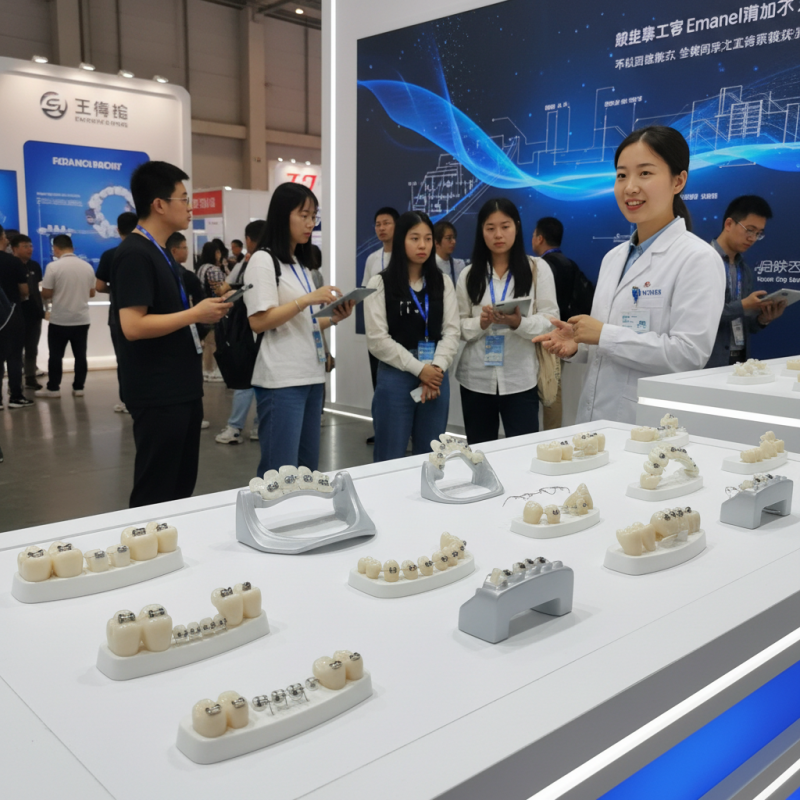
China Best Ceramic Brackets Braces at Canton Fair 139 What to Know
The upcoming Canton Fair is set to showcase the latest innovations, including cutting-edge Ceramic Brackets Braces. Dr. Emily Chen, an expert in orthodontics, states, "These braces not only offer aesthetic appeal but also enhance patient comfort."
As we enter this pivotal event, industry leaders are keen to emphasize the unique benefits of Ceramic Brackets Braces. This year’s focus on advanced manufacturing will showcase diverse designs and improved materials.
However, challenges remain. Not every product meets the high standards of ISO and CE certifications. Buyers must navigate through numerous options to find reliable suppliers. Incorporating AI technology at the fair will aid in this process, simplifying the search for quality ceramic braces. The potential for efficiency is significant, yet the need for critical judgment remains.
China's Leading Ceramic Brackets: Insights from the Canton Fair 139
At the Canton Fair 139, ceramic brackets took the spotlight. These products are gaining popularity for their aesthetics and functionality. Many manufacturers showcased their latest designs. The focus was on providing comfort while being effective. Most of these brackets are translucent, making them less noticeable. However, some attendees noted inconsistencies in quality.
Many visitors expressed concerns about durability. Some brackets appeared strong but failed under pressure tests. Others had issues with the adhesive used. The need for more transparency in materials is evident. Buyers want reliable performance, not just good looks. There were also discussions about the price-to-quality ratio. Many hope for more affordable options without compromising strength.
Alternatively, insights from the exhibition also highlighted innovative techniques in manufacturing. Several exhibitors shared their production methods. The introduction of new technologies was encouraging. This could lead to better products in the future. However, the gap between innovation and practical application remains wide. While the designs were impressive, actual use stories raised doubts. Industry feedback is crucial for improvement.
Market Trends in Ceramic Brackets: Growth and Opportunities in 2023
The ceramic braces market shows promising growth in 2023. Recent reports from industry analysts indicate a projected annual growth rate of over 7% in the ceramic brackets segment. This is largely driven by aesthetic preferences among patients seeking orthodontic treatments. More adults are opting for braces, which boosts demand.
However, not all trends are positive. Some consumers express concerns about the durability of ceramic brackets compared to metal alternatives. These perceptions can hinder market growth. Experts suggest that manufacturers need to address these issues with clear communication on advancements in materials and technology.
Furthermore, there is a growing opportunity for innovation. Customized solutions are gaining popularity. Personalized ceramic brackets can enhance both comfort and effectiveness. As technology evolves, 3D printing may also play a crucial role in creating unique designs tailored to individual needs. Such opportunities could reshape the competitive landscape, pushing companies to innovate continuously.
Technological Innovations in Ceramic Bracket Design and Manufacturing
The Canton Fair showcased the latest trends in ceramic braces, drawing interest from orthodontists. Innovations in design focus on enhanced comfort and aesthetics. These brackets are now thinner and more subtle, making them appealing for patients of all ages.
Manufacturers are exploring new materials that improve durability while maintaining a light weight. Some designs feature rounded edges to reduce irritation. However, the challenge remains in ensuring these advancements cater to diverse dental needs. There are still issues with certain materials lacking the desired strength.
As technology evolves, the importance of user feedback becomes clearer. Many practitioners have noted the need for further refinement in bonding strength. This ongoing dialogue between innovation and user experience is crucial for future advancements in ceramic bracket technology. Adjustments take time, but the results can significantly enhance patient care.
Ceramic Brackets Usage Overview
Quality Standards and Certifications for Ceramic Brackets in China
Ceramic brackets are gaining popularity in orthodontics. At the recent Canton Fair, many showcased their latest products. Quality standards are crucial for these ceramic braces. They ensure effectiveness and patient safety. Without proper certification, products may fall short of expectations.
In China, various certifications exist for ceramic brackets. These include ISO and CE marks. They indicate that a product meets specific quality requirements. Manufacturers often face challenges in achieving these standards. Sometimes, they overlook essential testing protocols. This can lead to inconsistencies in product performance.
When choosing ceramic brackets, pay attention to these certifications. Ask about the manufacturing process. Understand how quality control measures are implemented. Many professionals still have doubts about the quality of these products. It is vital to address these concerns for better outcomes. Ensuring high-quality ceramic brackets is an ongoing effort.
China Best Ceramic Brackets Braces at Canton Fair 139
| Specification | Standard/Certification | Material Type | Color Options | Application |
| 0.022" & 0.018" Brackets | ISO 9001 | Alumina Ceramic | Translucent, White | Orthodontic Treatment |
| Self-Ligating Brackets | CE Mark | High-strength Ceramic | Clear, Beige | Cosmetic Dentistry |
| Mini Brackets | FDA Approved | Zirconia | Ivory, Transparent | Braces for Adults |
| Straight Wire Brackets | GMP Certified | Premium Ceramic | Bone, Clear | Teen Orthodontics |
| Lingual Brackets | ISO 13485 | Customized Ceramic | Custom Colors Available | Invisible Braces |
Comparative Analysis of Global and Chinese Ceramic Bracket Markets
The ceramic bracket market is evolving rapidly. In recent years, China has emerged as a significant player. Chinese manufacturers are producing high-quality ceramic brackets that attract global attention. These brackets offer aesthetic appeal, making them popular among orthodontic patients. Many consumers prefer them over traditional metal options.
However, challenges persist in the market. Quality control remains a critical issue. Some manufacturers prioritize cost over quality, leading to unsatisfactory products. In addition, competition is intensifying as global brands enter the Chinese market. This competition could push prices down, which might benefit consumers but could also dilute quality.
The global market has different dynamics. Countries outside China often focus on innovation and technology. They invest heavily in research and development. This can lead to more advanced ceramic bracket designs. However, Chinese brackets are typically more affordable. This affordability is appealing for many orthodontists.
Both markets need to address their weaknesses to thrive in the long term. Balancing cost and quality will be essential moving forward.