China Best Valve DC Gear Motor Features and Applications?
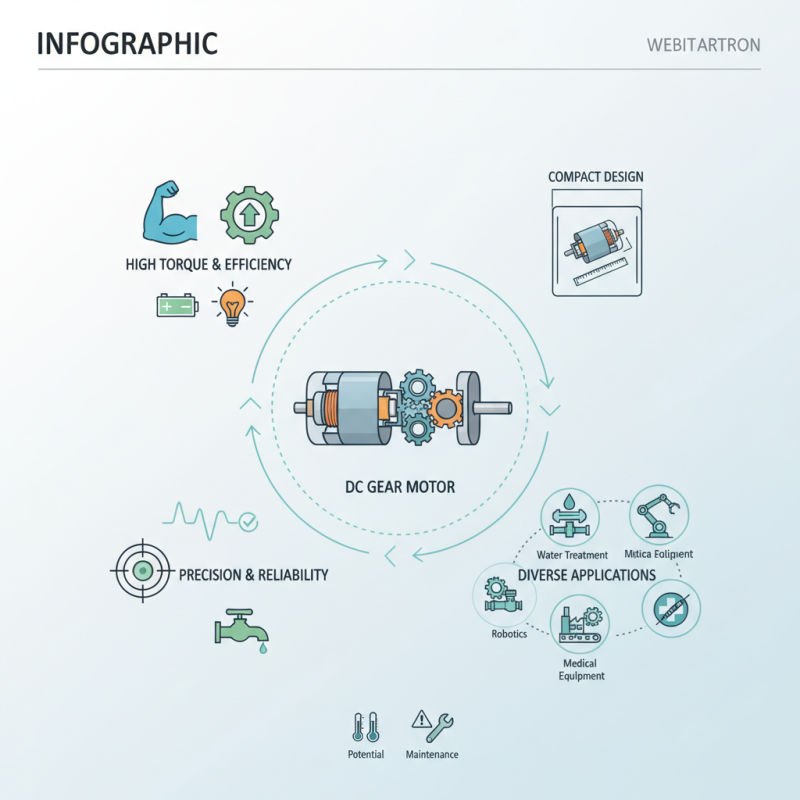
The Valve DC Gear Motor is a crucial component in various industries. Its design combines a direct current motor with a gear mechanism. This combination enhances torque and efficiency, making it ideal for specific applications.
In industrial settings, these motors excel in automation tasks. They control valves with precision and reliability. Their compact size allows for integration into tight spaces. However, one must consider the potential limitations. Overheating can occur with excessive load. Regular maintenance is necessary to ensure optimal performance.
Applications range from water treatment plants to robotics. Each sector benefits from the precision of a Valve DC Gear Motor. Yet, users must be aware of power supply requirements. Understanding the full range of features can enhance effectiveness. The importance of selecting the right motor cannot be overstated.
Overview of China Best Valve DC Gear Motors
China Best Valve DC Gear Motors are popular for various applications. These motors combine efficiency and durability, making them ideal for intricate tasks. They typically feature a compact design, which saves space in machinery. Their gear mechanism enhances torque and performs reliably.
Many industries utilize these motors for regulating flow in valves. They ensure precise movement and increased control. In robotics and automation, their quick response time is crucial. Additionally, they can operate at varying voltages, which adds to their versatility. However, some users find that noise levels can be a concern.
Maintaining these motors requires attention. Regular inspections may uncover wear or misalignment issues. Users should also consider compatibility with existing systems. Over time, even the best motors may face operational inefficiencies. It’s important to reflect on maintenance practices for optimal performance.
Key Features of Valve DC Gear Motors
Valve DC gear motors are vital in various industries. They combine efficiency with precision control. These motors typically have a compact design, making them suitable for tight spaces. They are lightweight, aiding in easy installation. Many applications benefit from their unique features.
One key feature is their speed versatility. Users can adjust the speed based on the project needs. This flexibility is crucial in automated systems. Another important aspect is their torque output. Valve DC gear motors provide high torque at low speeds, which is advantageous in applications needing strength without high speed.
Additionally, they are energy-efficient, leading to lower operating costs. However, users must consider potential overheating issues. Proper cooling mechanisms are necessary. Some users report that misunderstanding torque ratings can lead to inefficiencies. Making sure you select the right specifications is essential for optimal performance.
Common Applications of Valve DC Gear Motors
Valve DC gear motors are integral in various industries due to their unique features. These motors efficiently convert electrical energy into mechanical energy. They excel in precision control, making them ideal for applications requiring accuracy. For example, in automation systems, they are crucial for regulating valve positions. The efficiency can reach up to 90%. This efficiency means reduced energy costs, which is a significant advantage in today's market.
In the water treatment sector, valve DC gear motors are commonly found. They control water flow and levels, ensuring systems operate effectively. According to industry reports, the global water treatment market is projected to reach $700 billion by 2025. This growth highlights the increasing reliance on technologies like valve DC gear motors. Similarly, in HVAC systems, these motors help maintain temperature and humidity. They work behind the scenes but are essential for comfort and efficiency.
Challenges exist, such as the need for regular maintenance. Issues like wear and tear can affect their performance over time. Some users may not fully understand how to optimize these motors. The consequences can lead to operational inefficiencies. This calls for better education and resources for end-users to maximize these motors' potential. Integration with smart technologies may also require a learning curve, yet the benefits are worth pursuing.
China Best Valve DC Gear Motor Features and Applications
| Feature | Description | Common Applications |
| High Torque | Provides a significant amount of torque for various mechanical applications. | Robotic arms, conveyor systems |
| Compact Size | Designed to be small and lightweight, ideal for limited space situations. | Medical devices, drones |
| Energy Efficient | Optimized for low power consumption while maintaining high performance. | Home automation systems, electric vehicles |
| Variable Speed Control | Allows precise speed adjustments for different applications. | Industrial equipment, robotics |
| Robust Construction | Built with durable materials to withstand harsh environments. | Outdoor machinery, automotive systems |
Advantages of Using DC Gear Motors in Industrial Settings
DC gear motors are becoming increasingly popular in industrial settings due to their unique advantages. These motors combine the benefits of a direct current (DC) motor with a gear mechanism. This results in increased torque and precise speed control. According to a recent industry report, nearly 30% of industrial applications now utilize DC gear motors, reflecting their growing importance.
One significant benefit of DC gear motors is their energy efficiency. They can often achieve over 85% efficiency in converting electrical energy into mechanical power. This high efficiency leads to lower operational costs. In addition, they can provide consistent performance in various environments. However, industrial users need to be aware of potential drawbacks. Heat buildup can be an issue in continuous operation, leading to less reliable performance over time.
Furthermore, DC gear motors are versatile. They can be found in packaging systems, conveyor belts, and automated machinery. Their compact design allows for flexible installation in tight spaces. Despite these benefits, the cost can be a concern for some operations. Maintenance can also be tricky. Regular checks are necessary to ensure they operate at peak performance. The industry must address these issues to fully leverage the potential of DC gear motors.
China Best Valve DC Gear Motor Features and Applications
Comparison with Other Types of Gear Motors
When comparing China's best valve DC gear motors to other types of gear motors, a few key differences emerge. DC gear motors are known for their efficiency. They provide precise control over speed and torque. This makes them suitable for applications requiring high accuracy. Unlike stepper motors, which can lose steps, DC gear motors maintain consistent performance under load.
In contrast, AC gear motors often require more complex controls. They are ideal in heavy industrial applications but may lack the flexibility of DC options. For instance, a small robotics project may benefit from the compact size of a DC gear motor. Meanwhile, in large-scale conveyor systems, AC gear motors prove to be more reliable. However, their higher energy consumption can be a significant drawback.
Another aspect worth noting is adaptability. DC gear motors can be easily integrated into various devices. They support rapid prototyping and quick adjustment. However, their lifespan might be shorter than that of AC motors. Additionally, some users find the initial cost of DC gear motors higher. It's vital to weigh these factors carefully when making a choice. Potential challenges exist in optimizing performance for specific tasks.