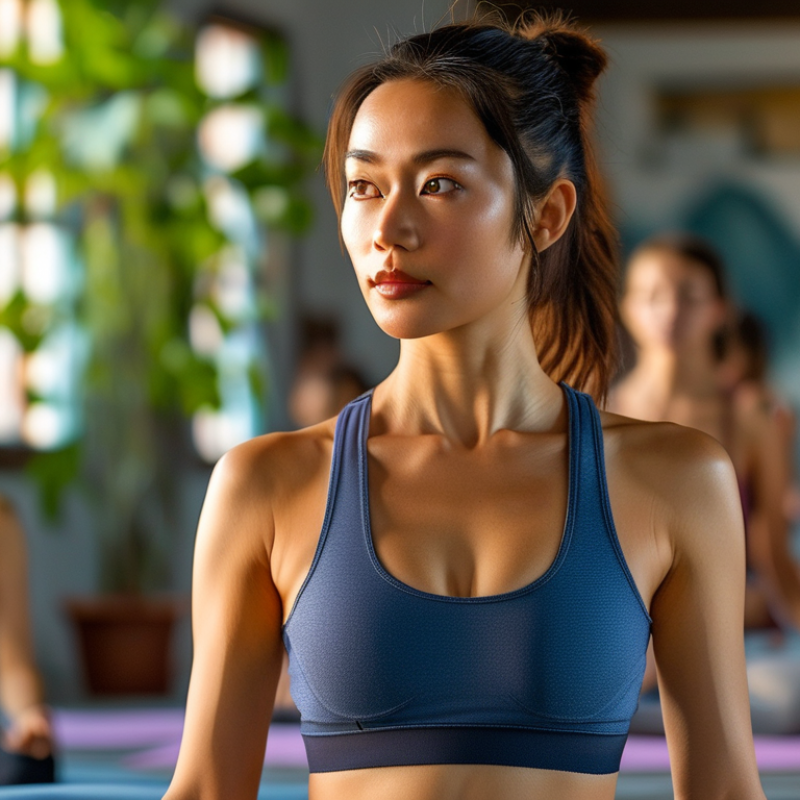
Best Yoga Wear in China for Global Buyers?
The global market for Yoga Wear has seen explosive growth. According to a recent report by Allied Market Research, the global yoga apparel market is expected to reach $66.22 billion by 2027. This surge in demand highlights the increasing interest in wellness and fitness globally.
In China, the yoga wear sector is thriving. Many buyers look for high-quality, stylish, and functional gear. Industry expert Emma Chen states, “Consumer preferences in China are quickly shifting toward sustainable and innovative yoga wear.” This shift demands brands to adapt continuously.
China's diverse offerings present both opportunities and challenges. While the selection is vast, quality varies widely. Buyers must remain vigilant in their choices. The right yoga wear enhances performance and boosts confidence. Investing in quality gear is essential for serious practitioners. As the market evolves, so do the expectations surrounding it.
Top Factors to Consider When Choosing Yoga Wear in China
When choosing yoga wear in China, comfort is key. A recent report from the Global Sports Apparel Market suggests that more than 70% of buyers prioritize comfort in activewear. Materials play a crucial role. Look for breathable fabrics like cotton and spandex, which allow for flexibility and ease of movement.
Fit is another critical factor. According to studies, roughly 65% of consumers value a snug fit that accommodates various body shapes. This helps in enhancing performance during workouts. Sizing can vary significantly across manufacturers, so always check size charts and consider trying items on if possible.
Tip: Opt for yoga wear with moisture-wicking properties. This feature keeps you dry and comfortable during your practice.
Quality cannot be overlooked. Data shows that higher-quality garments not only last longer but also enhance the user's experience. However, not every high-priced item guarantees superior quality. Look for reviews and consumer feedback to make informed choices.
Tip: Pay attention to stitching and seams as well. Well-constructed pieces prevent wardrobe malfunctions during poses.
Popular Fabric Materials Used in Chinese Yoga Wear
When looking at popular fabric materials in Chinese yoga wear, several stand out for their performance and comfort. A common choice is polyester. This synthetic fabric is lightweight and moisture-wicking, which helps keep athletes dry during intense workouts. Many yoga practitioners appreciate its durability as well. However, polyester can sometimes feel less breathable compared to natural fibers.
Cotton is another popular material. It offers breathability and softness, allowing for comfortable movements. However, it does absorb moisture, which might not be ideal for hot yoga sessions. Users often find that cotton blends add stretch while maintaining the comfort of pure cotton. Some yoga enthusiasts might prefer these materials, even if they require more care.
Moreover, nylon has entered the yoga wear market due to its flexibility and ability to retain shape. It stretches well, which is perfect for various poses. However, it may not be ideal for everyone, as some find it less comfortable over extended periods. Exploring different fabrics can lead to a better personal fit, but it’s essential to consider factors like sweat retention and comfort level.
Best Yoga Wear in China for Global Buyers? - Popular Fabric Materials Used in Chinese Yoga Wear
| Fabric Material | Breathability | Moisture-Wicking | Durability | Comfort Level |
| Spandex | High | Medium | High | Very Comfortable |
| Polyester | Medium | High | Medium | Comfortable |
| Nylon | High | Medium | Very High | Comfortable |
| Cotton | High | Low | Medium | Very Comfortable |
| Bamboo Fiber | High | High | Medium | Very Comfortable |
Leading Brands Offering Yoga Wear in the Chinese Market
When exploring the yoga wear market in China, several brands stand out for global buyers seeking quality and style. The market has seen a significant shift, with leading brands focusing on not just aesthetics but also functionality. Reports suggest that the activewear segment in China is projected to grow by over 14% annually, indicating increasing consumer interest in yoga and fitness.
Many brands are adapting to local tastes and preferences. They offer a range of materials that enhance comfort during practice, such as moisture-wicking fabrics. This attention to detail resonates with yoga enthusiasts who value both performance and appearance. Additionally, sustainable practices are becoming more integral to brand strategies, aligning with global trends and consumer demand for eco-friendly options.
**Tips:** When choosing yoga wear, consider fit and flexibility. Look for breathable fabrics that allow movement. Also, take note of the brand’s sustainability initiatives. This is not just a trend; it reflects a growing awareness in the industry.
Despite these advancements, availability can vary. Some areas may offer limited choices, making it essential for buyers to research before committing. Online shopping has expanded options, but be cautious of sizing inconsistencies. Understanding your own body type is crucial in making the right purchase.
Price Range and Quality Comparison of Yoga Wear in China
When exploring yoga wear in China, buyers often face a diverse market. The price range varies significantly, influenced by fabric quality and design. Basic leggings may start as low as $10, while premium pieces can reach $100 or more. This disparity reflects the ongoing debate about value versus cost.
Quality is not always aligned with price. Some lower-priced options offer decent performance and comfort. However, they may lack durability over time. In contrast, higher-priced items often utilize advanced materials. These fabrics provide greater flexibility and breathability, essential for yoga practice. It's important to assess your needs and priorities before purchasing.
Buyers should be cautious and seek reliable reviews or expert opinions. Not all brands maintain consistent quality across their range. Some styles may look appealing online yet fail to meet functional demands. Investing time in research can pay off. Finding the right balance between cost and quality is key to a satisfying experience.
Where to Buy Yoga Wear in China: Online and Offline Options
In recent years, China has emerged as a significant player in the global yoga wear market. The shift toward health and wellness has made yoga apparel increasingly popular among consumers. According to recent industry reports, the global yoga wear market is expected to reach USD 66.1 billion by 2025. The demand in China is bolstered by a growing fitness culture and an increasing number of yoga practitioners.
When it comes to purchasing yoga wear in China, buyers have diverse options. Online platforms like e-commerce giants provide convenient access to a wide variety of products. These platforms often offer competitive prices and customer reviews, allowing buyers to make informed choices. Additionally, physical stores in urban areas offer personalized shopping experiences. Key demographic studies show that 32% of Chinese consumers prefer buying health-related apparel in-store, appreciating the ability to try before they buy.
While options abound, buyers should remain cautious. The rapid growth of the market means that not all products meet sustainability and quality standards. It's crucial to evaluate the materials used and their environmental impact. Transparency in sourcing and manufacturing can be limited, sometimes leaving consumers guessing about the quality of what they purchase. Addressing these concerns is essential for making mindful consumer choices in a crowded market.
Best Yoga Wear Categories in China for Global Buyers