Best Water Purifier for Home Which One Should You Choose?
Choosing the best water purifier for home use has become essential for many families. Jay Lentz, a water filtration expert, states, "Clean water is a fundamental need that shouldn't be compromised." His insight emphasizes the importance of having pure, safe drinking water at home.
With various options on the market, deciding which one to choose can be overwhelming. Each purifier offers unique features that cater to different needs. Some families may prioritize the removal of specific contaminants, while others might seek systems that enhance water taste. The best water purifier for home should align with your specific requirements and lifestyle.
It's crucial to consider factors like water source, usage, and maintenance. A purifier might meet many needs, but it's important to reflect on your options carefully. Poor choices can lead to ongoing concerns about water quality and safety. Seeking expert guidance can often reveal what you may overlook. Remember, being well-informed can ultimately lead to a healthier home environment.
Understanding the Importance of Water Purification in Homes
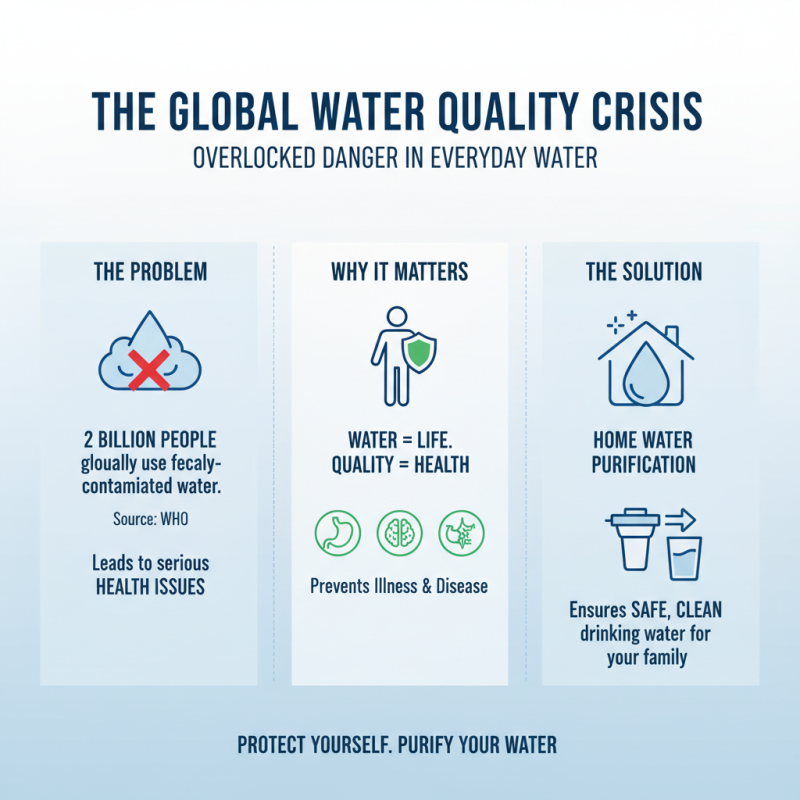
Water is essential for survival, yet many people overlook its quality. Contaminated water can lead to serious health issues. According to the World Health Organization, 2 billion people globally use a drinking water source contaminated with feces. This alarming statistic highlights the urgent need for effective water purification systems in homes.
Harmful substances like bacteria, viruses, and heavy metals can easily infiltrate household water supplies. Studies show that around 15% of tap water samples contain pollutants, exceeding safety limits. Not all families have access to clean water. Some might rely on bottled water, which can be costly and environmentally damaging. Others may think their tap water is safe without testing it regularly. This assumption can lead to avoidable health risks.
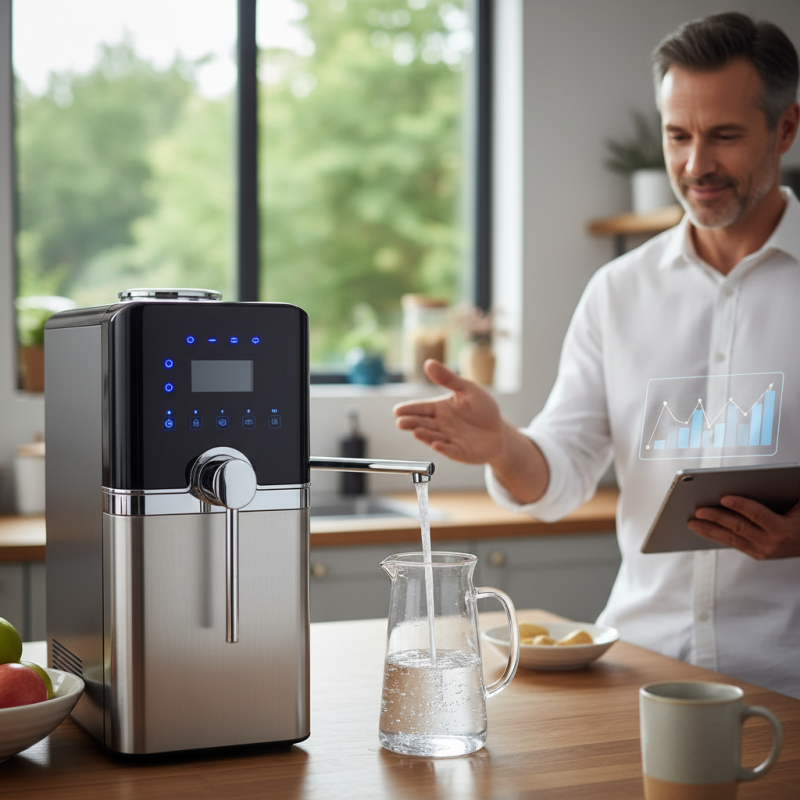
Choosing the right water purifier can make a significant difference. It’s critical to understand the specific contaminants in your area. Local water quality reports can provide insights. Remember that not all purification systems remove every contaminant. Research is necessary to ensure you select a product that fits your specific needs. Every home deserves safe water; the question is, how far are you willing to go to ensure it?
Types of Water Purifiers Available for Household Use
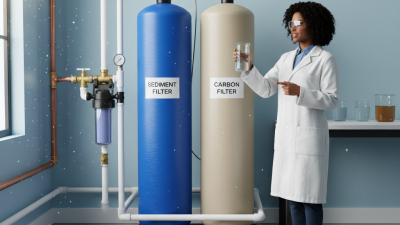
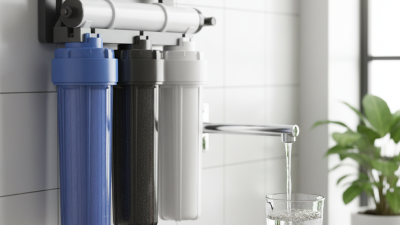
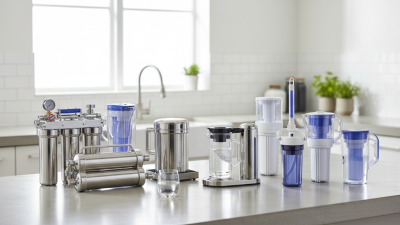
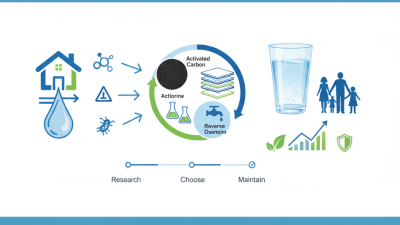
When selecting a water purifier for your home, it's crucial to understand the types available. Common household water purifiers include activated carbon filters, reverse osmosis systems, and ultraviolet purifiers. Each type has its strengths. Activated carbon filters are effective in reducing chlorine and odors. They are often affordable and easy to maintain.
On the other hand, reverse osmosis systems provide thorough filtration. They remove many impurities, but they can waste water and are more complex. Ultraviolet purifiers disinfect water without chemicals. However, they require electricity and may not remove all contaminants.
Tips: Assess your water quality before choosing. Consider getting a testing kit. Analyze what contaminants are present in your tap water. This step will guide your choice. Don't just go for the most expensive model. Sometimes, simpler options fit your needs better.
Think about your lifestyle too. If you have a busy schedule, easy maintenance is key. Some purifiers demand frequent filter changes, while others offer longer-lasting solutions. Balancing convenience and functionality is vital. Choosing a purifier may seem daunting, but take your time to make the right decision for your home.
Best Water Purifier for Home - Types of Water Purifiers Available for Household Use
Key Features to Consider When Choosing a Water Purifier
When selecting a water purifier for your home, it's important to consider key features carefully. The filtration technology is crucial. Different systems use various methods, such as reverse osmosis or activated carbon, to remove impurities. Each has its strengths and weaknesses. For example, reverse osmosis is excellent for heavy metals, but it may waste water during the purification process. Understanding your water source will help you make a better decision.
Another feature to keep in mind is the purifier's capacity. Some models are better for large families, while others suit individuals or couples. If you have limited space, consider compact designs that fit under your sink. Maintenance is also vital. Some purifiers require regular filter changes, which can be time-consuming and costly. Evaluate how often you are willing to undertake this task.
Lastly, don't overlook water taste. A purifier can remove harmful elements but may also alter the flavor. Some users find the taste of purified water less appealing. It can be useful to test different products to see which one satisfies your palate. Remember, the "best" purifier heavily depends on your unique situation and preferences. What works for one household might not work for another.
Comparison of Popular Water Purifier Brands and Models
When selecting a water purifier for home use, it's crucial to compare various brands and models. Industry reports indicate that about 68% of urban households are concerned about water quality. Many people do not know what's in their tap water. Some purifiers remove contaminants effectively, while others may not meet necessary standards.
For instance, reverse osmosis systems can eliminate several contaminants. Yet, they often waste more water than they purify. A study showed that a common model wasted about three gallons of water for every gallon purified. Other options, such as activated carbon filters, can improve taste but may not remove all harmful substances. Continuous usage could lead to build-up if not replaced regularly.
Not all filters are created equal. Some may require frequent maintenance, which adds to the expense. It's essential to consider the long-term cost of ownership. Many users feel overwhelmed by the variety of choices. Regular testing of water quality can help determine what is actually necessary for your home. Understanding your water source can be equally important.
Tips for Maintaining Your Home Water Purifier for Optimal Performance
Maintaining your home water purifier is crucial for its performance. Regular cleaning helps prevent bacteria growth. You should replace filters as recommended. Filters can get clogged over time. This reduces water flow and efficiency. Not changing them may lead to poor water quality.
Inspect the purifier frequently. Look for leaks or any signs of wear. These issues can worsen if neglected. Clean the exterior with a soft cloth and mild detergent. Remember to avoid harsh chemicals that may damage the purifier. A good cleaning routine keeps your unit running smoothly.
Consider the water quality in your area. If it’s heavily contaminated, you might need to clean your purifier more often. Keep a maintenance schedule. Without one, you might forget important tasks. It’s not easy; things can slip your mind. Reflect on your habits. Are you diligent enough? Regular care makes the difference between a reliable purifier and a disappointing one.
Best Water Purifier for Home - Comparison Table
| Feature |
Type A |
Type B |
Type C |
| Filtration Technology |
Reverse Osmosis |
UV Filtration |
Activated Carbon |
| Removal of Contaminants |
99% of impurities |
Bacteria & Viruses |
Chlorine & Odor |
| Filter Lifetime |
2 years |
1 year |
6 months |
| Installation Type |
Under-sink |
Countertop |
Portable |
| Price Range |
$200 - $400 |
$100 - $300 |
$30 - $150 |
| Maintenance Tips |
Change filters regularly |
Clean UV light |
Rinse before use |