Best Water Purifier for Home 2026 Top Picks and Reviews?
In today’s world, access to clean water is crucial. The demand for reliable purification solutions has surged. A recent report from the Water Quality Association states that nearly 70% of households express concerns about water quality. This uncertainty drives many to seek the best water purifier for home use.
Selecting the right purifier can feel overwhelming. Options range from reverse osmosis systems to UV filters. Each device offers unique benefits and limitations. A Consumer Reports study indicated that over 50% of water purifiers fail to remove certain contaminants effectively. This raises questions about what constitutes the best water purifier for home needs.
Understanding your specific requirements is essential. Factors include the type of contaminants present in your water supply and your household's water usage. While some purifiers are efficient, they may not suit your needs perfectly. There remains room for improvement in product performance. As we venture into 2026, informed choices will lead consumers to the best solutions for cleaner and safer drinking water.
Best Water Purifier Types for Home Use in 2026
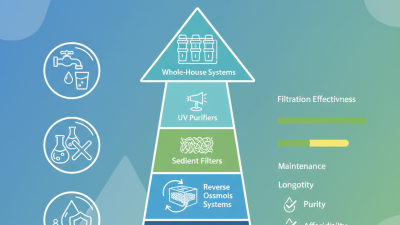
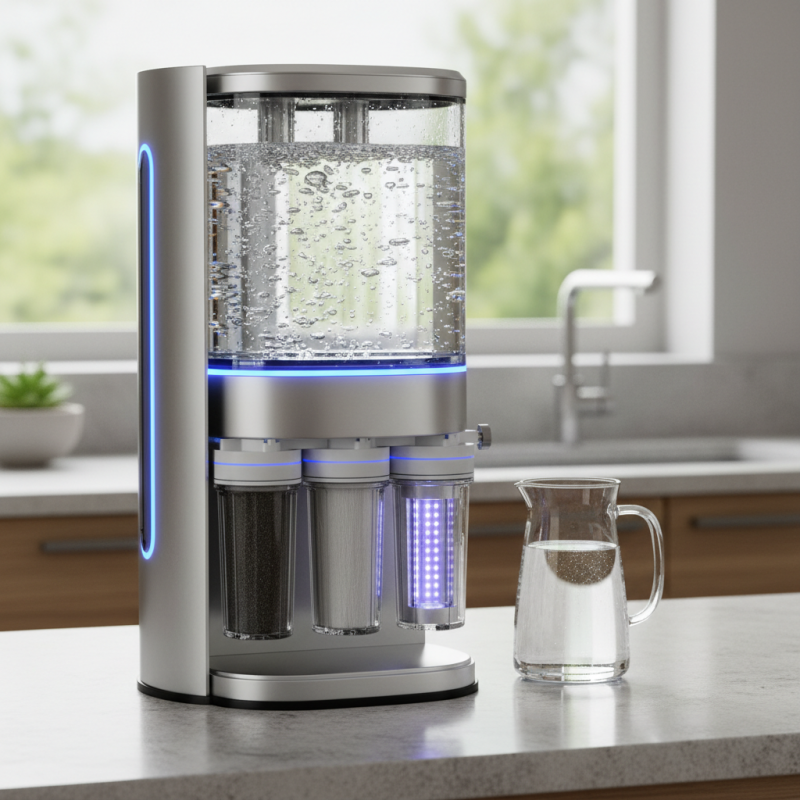
Choosing the right water purifier for home use is crucial in 2026. Several types are available, each with distinct features. Reverse osmosis systems are popular. They eliminate contaminants effectively. However, they might waste some water. This can be a concern for eco-conscious households.
Activated carbon filters are another option. They improve taste and remove odors. These filters are easy to maintain. However, they may not remove all heavy metals. Regular replacement is key to ensure efficiency. Some users find it inconvenient to frequently change filters.
Ultraviolet purifiers offer a different approach. They kill bacteria and viruses using UV light. It's a chemical-free option, which many prefer. Yet, they require electricity to operate. This can be a limitation during outages. Each type has its pros and cons, making it essential to assess your household needs.
Best Water Purifier for Home 2026 - Top Picks and Reviews
| Type |
Filtration Technology |
Capacity (liters) |
Average Price (USD) |
User Rating |
| Reverse Osmosis |
RO + UV + UF |
15 |
249 |
4.8 |
| UV Water Purifier |
UV + Carbon |
10 |
120 |
4.5 |
| Activated Carbon Filter |
Activated Carbon |
8 |
75 |
4.2 |
| Whole House Filter |
Multi-stage Filtration |
25 |
499 |
4.7 |
| Countertop Filtration System |
Filtration + Mineralization |
12 |
150 |
4.3 |
Key Features to Consider When Buying a Water Purifier
Choosing the right water purifier for your home can be a daunting task. Key features should guide your decision. First, consider the filtration technology. Common options include activated carbon, reverse osmosis, and UV purification. Each method has strengths and weaknesses. For instance, reverse osmosis filters out more contaminants, but can waste water.
Next, think about the capacity. Smaller units may need frequent refills, especially in larger families. A model that holds enough water can save time. Pay attention to the flow rate too. A slow flow can be frustrating. You might end up waiting longer for a glass of clean water.
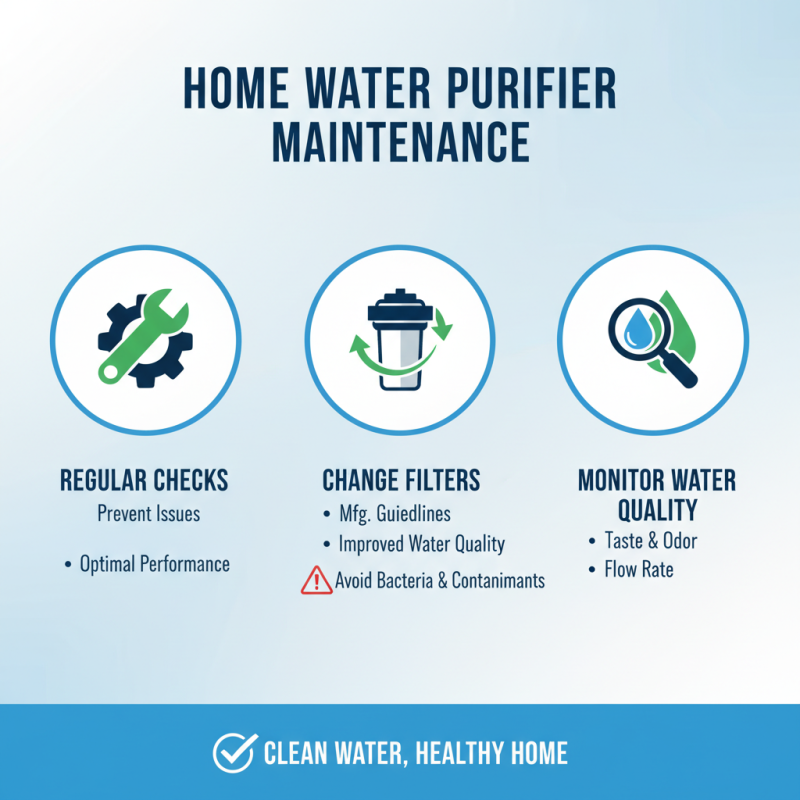
Also, maintenance should be on your radar. Some purifiers have filter change indicators. This feature helps you keep track of when to replace filters. It's easy to overlook maintenance, yet ignoring it can lead to decreased performance. Look for models with user-friendly cleaning processes. A hassle-free system will encourage you to maintain it properly.
Top Evaluated Water Purifier Brands and Models of 2026
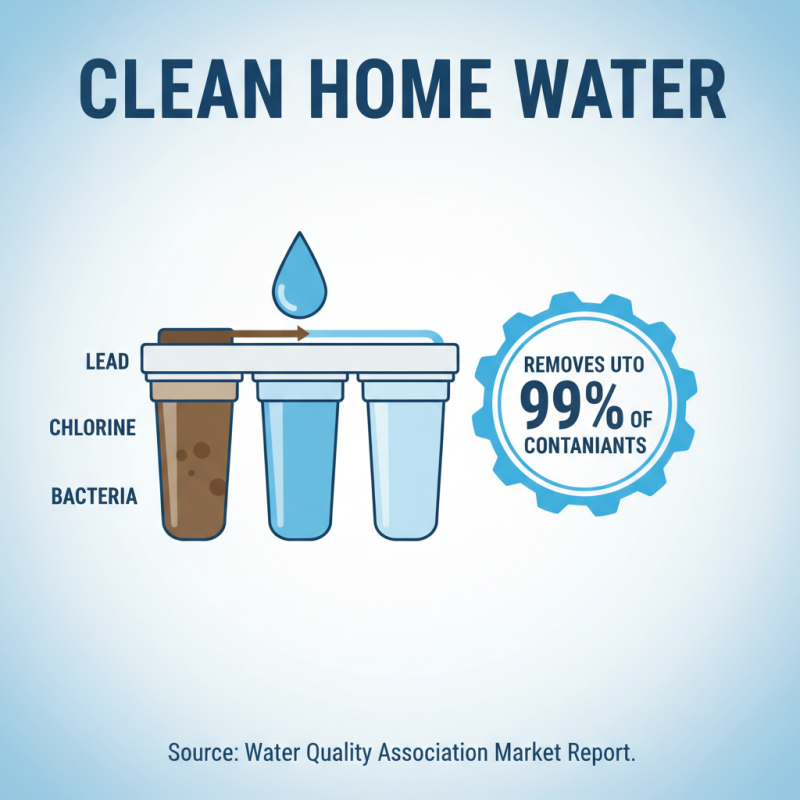
When choosing a water purifier for your home, it is essential to consider the effectiveness of its filtration system. According to a recent market report by Water Quality Association, the right purifier can remove up to 99% of contaminants, including lead, chlorine, and bacteria. This statistic highlights the significant impact that quality water purification can have on health.
The demand for safe drinking water has surged. In 2026, it is estimated that over 60% of households in urban areas will invest in advanced water purification systems. A variety of models exists, including reverse osmosis and ultraviolet purifiers, each catering to different needs. However, not all products perform equally. Some affordable options might not meet safety standards or remove as many contaminants. Research is critical before making a purchase.
Many users have reported dissatisfaction with their current systems. Issues such as low water yield or frequent filter replacements become common complaints. This points to the need for thorough evaluation. Although many purifiers claim to be effective, real-world performance often varies. Ensuring your choice aligns with genuine user reviews and expert evaluation is vital for long-term satisfaction.
Consumer Reviews and Feedback on 2026 Water Purifiers
Consumer feedback plays a crucial role in selecting the best water purifier for home use. In 2026, more users are prioritizing effectiveness and accessibility. Recent studies indicate that about 75% of households have experienced issues with tap water quality. This highlights the need for reliable purification systems.
Many consumers have reported mixed results. Some praise certain models for ease of use and installation. Others express concerns about filter replacement costs and maintenance. A study by the Water Quality Association notes that nearly 40% of users forget to change filters regularly. This creates potential health risks.
Tips for choosing a water purifier: Look for models with clear feedback on filtration efficiency. Verify if they remove contaminants like lead or chlorine. Always check user reviews for real-life experiences. This ensures you invest wisely in a system that meets your needs. Regular maintenance is key. Remember, water quality can vary greatly by location. Consider local water reports when deciding.
Water Purifier Performance Ratings (2026)