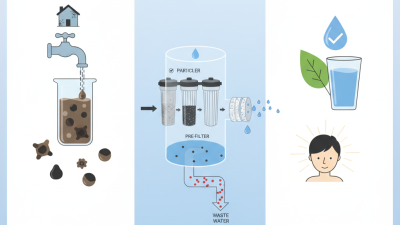
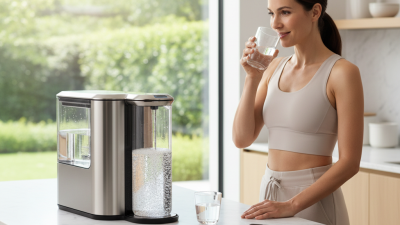
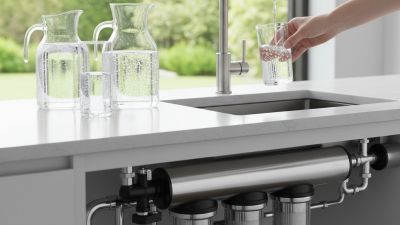
Access to clean and safe drinking water is a universal necessity. In the water filtration industry, this need drives innovation and development. According to the World Health Organization, about 2 billion people lack access to safe drinking water. This alarming statistic highlights the urgency of effective water filtration solutions.
Dr. Emily Waters, a renowned expert in water quality, emphasizes the importance of reliable filtration systems. She states, "The right water filtration solution can significantly reduce health risks." This reflects the industry's commitment to improving public health through advanced technologies. Filtering water can remove harmful contaminants, making it essential for households and communities.
As we consider the best water filtration systems of 2026, we must acknowledge the challenges. Not all systems are effective against all contaminants. Consumers often find it difficult to choose the right one. This highlights the need for clear guidance and informed choices. Water filtration is not just a product; it's a vital investment in health and well-being.
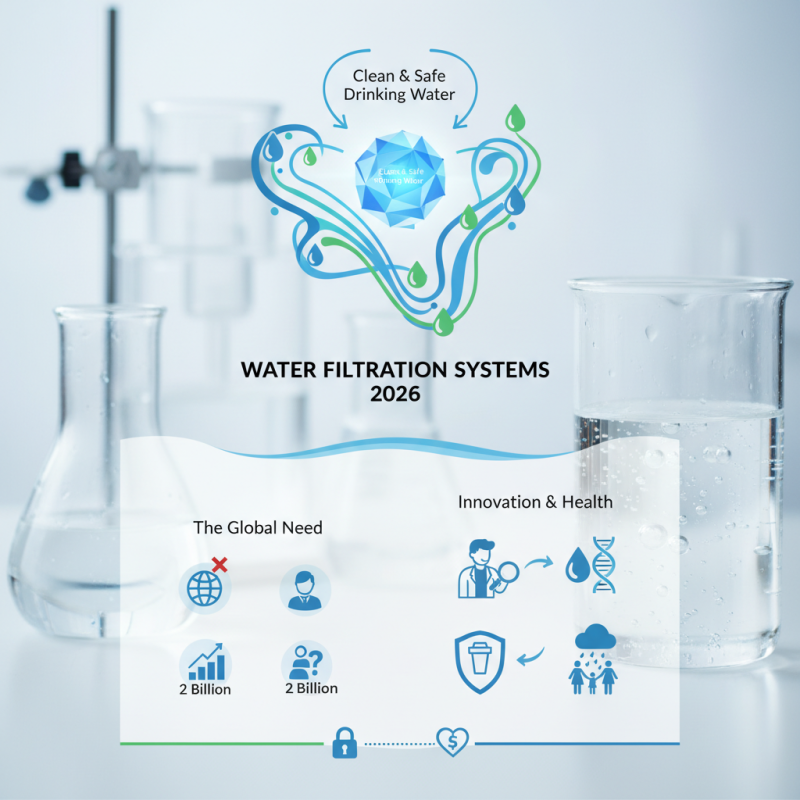
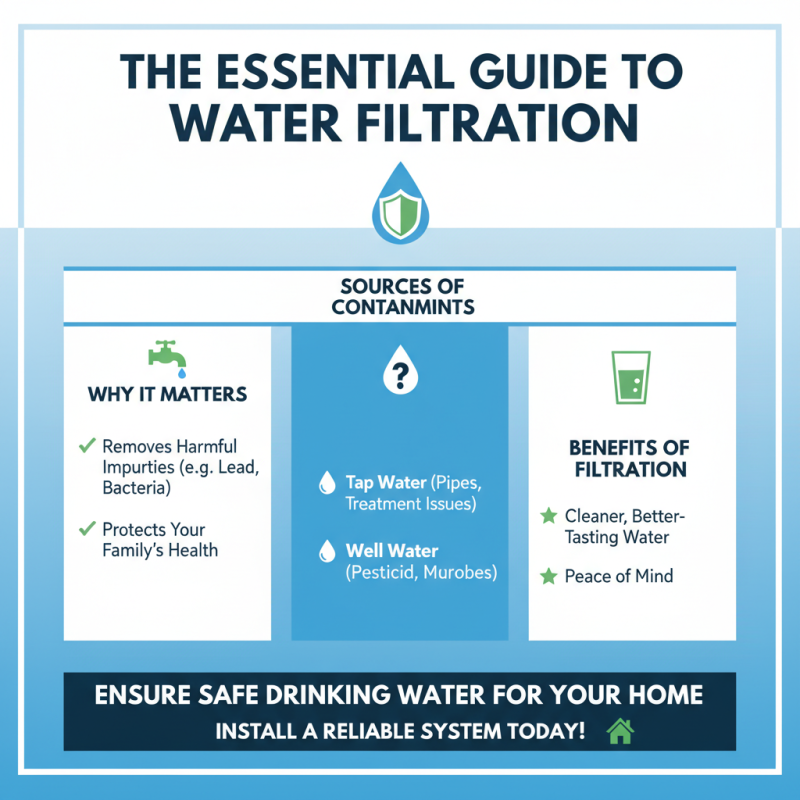
Water filtration systems play a crucial role in ensuring safe drinking water. They remove impurities and contaminants that could harm health. Many sources of water, including tap and well water, can contain harmful substances. These systems make the water cleaner and better tasting. Installing a good filtration system is essential for every household.
Understanding the importance of these systems goes beyond convenience. Not all filters work the same way. Some remove specific contaminants while others do a broader job. Regular maintenance is often neglected. It’s vital to replace filters as needed to ensure maximum efficiency. People often forget to check their filtration systems, which can lead to a false sense of security.
Maintaining clean drinking water is not just about technology; it requires awareness. Families should educate themselves on water quality reports. Testing water periodically can help identify issues. Some households may overlook this aspect, assuming tap water is safe. Engaging in community discussions about water safety can foster better practices. More conversations can lead to better solutions.
When choosing the best water filtration systems, several criteria play a crucial role. First, consider the type of contaminants affecting your water. According to the World Health Organization, over 2 billion people face water contamination issues. Understanding your local water quality is essential. You may need a system that removes heavy metals, bacteria, or chlorine.
Capacity is another vital factor. A system should meet your household's daily demands. Reports indicate that an average family uses about 300 gallons of water daily. For larger households, consider filtration systems with higher flow rates. A system that cannot keep up may lead to inconvenience and poor water quality.
Tips: Always check the system's certifications. Look for NSF or WQA to ensure effectiveness. Regular maintenance is a must. A neglected filter can lead to more contaminants than before. Furthermore, replacement schedules vary widely among systems. Be aware of these timelines to avoid lapses in water safety. Filters often need changing every 6-12 months.
While technology is improving, not all filters capture every contaminant. Some smaller particles can slip through. Regular testing of your water can help identify hidden issues. Being informed is the best protection against unsafe drinking water. Don’t assume any system is perfect; always stay proactive with your water quality checks.
In 2026, water filtration technology continues to innovate. Effective systems are crucial for ensuring safe drinking water. High-capacity reverse osmosis units offer robust filtration. They remove many contaminants, including heavy metals and chlorine. Activated carbon filters are popular for their ability to improve taste. They are simple and affordable.
Tip: Regular maintenance is key. Replace filters as recommended. This maintains efficiency and water quality. Skipping maintenance may lead to contamination.
Ultraviolet (UV) purifiers are gaining popularity. They kill bacteria and viruses without adding chemicals. However, they do not remove sediment or contaminants. This means combining filtration methods could be beneficial.
Tip: Test your water periodically. Know what impurities you might be facing. Understanding your water source guides you in choosing the right system. Remember, every household has unique needs. Reflect on what works for yours.
When evaluating water filtration systems, it’s essential to compare popular brands. Many options promise clean water, but effectiveness varies significantly. Consider the filter type, the contaminants removed, and the system maintenance requirements. Knowing these details can help in choosing the right system for your needs.
Some systems use carbon filters, while others employ reverse osmosis. Each method has its advantages and disadvantages. For example, carbon filters are good at removing chlorine but may not address heavy metals effectively. On the other hand, reverse osmosis systems are thorough but can waste water. Maintenance can also be tricky; some systems require frequent filter changes, which can be inconvenient.
Filters can improve taste and safety but may also have limitations. Users often find challenges in installation and ongoing upkeep. It's easy to overlook the specific needs of your water supply. This can lead to a filtration system that fails to deliver the expected quality. Researching and comparing different filtration approaches is vital for making an informed decision.
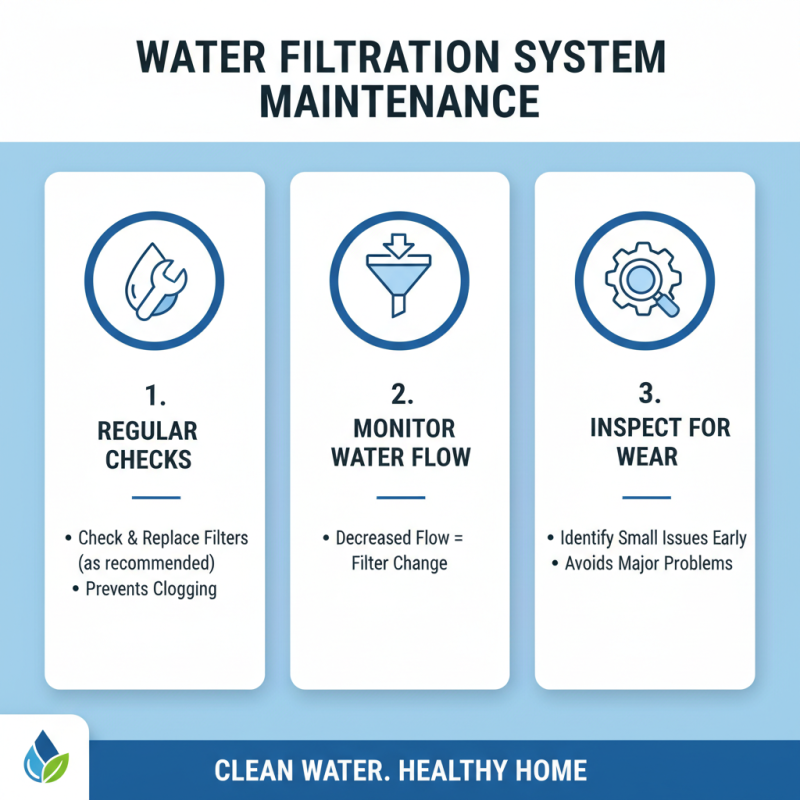
Proper maintenance is key to keeping your water filtration system functioning effectively. Regularly check and replace filters as recommended. This helps prevent clogging and ensures clean water. If the water flow decreases, it might be time to replace the filter. Monitor your system for signs of wear. A small issue today can turn into a big problem tomorrow.
Cleaning the unit is also essential. Some systems require periodic disassembly for thorough cleaning. Use a gentle soap and warm water. Avoid harsh chemicals. Inspect the seals and connections for leaks or damage. Small leaks can compromise your system's performance. Don't wait until you see a problem; be proactive in your care.
In addition, consider the location of your system. Ensure it is installed in a dry area away from direct sunlight. Excess moisture can lead to mold growth. Make sure it's easily accessible for maintenance. Always consult the manufacturer's guidelines for specific care instructions. A little effort can go a long way in ensuring safe drinking water.
Build your system. Protect your boat. Join the movement.